2021
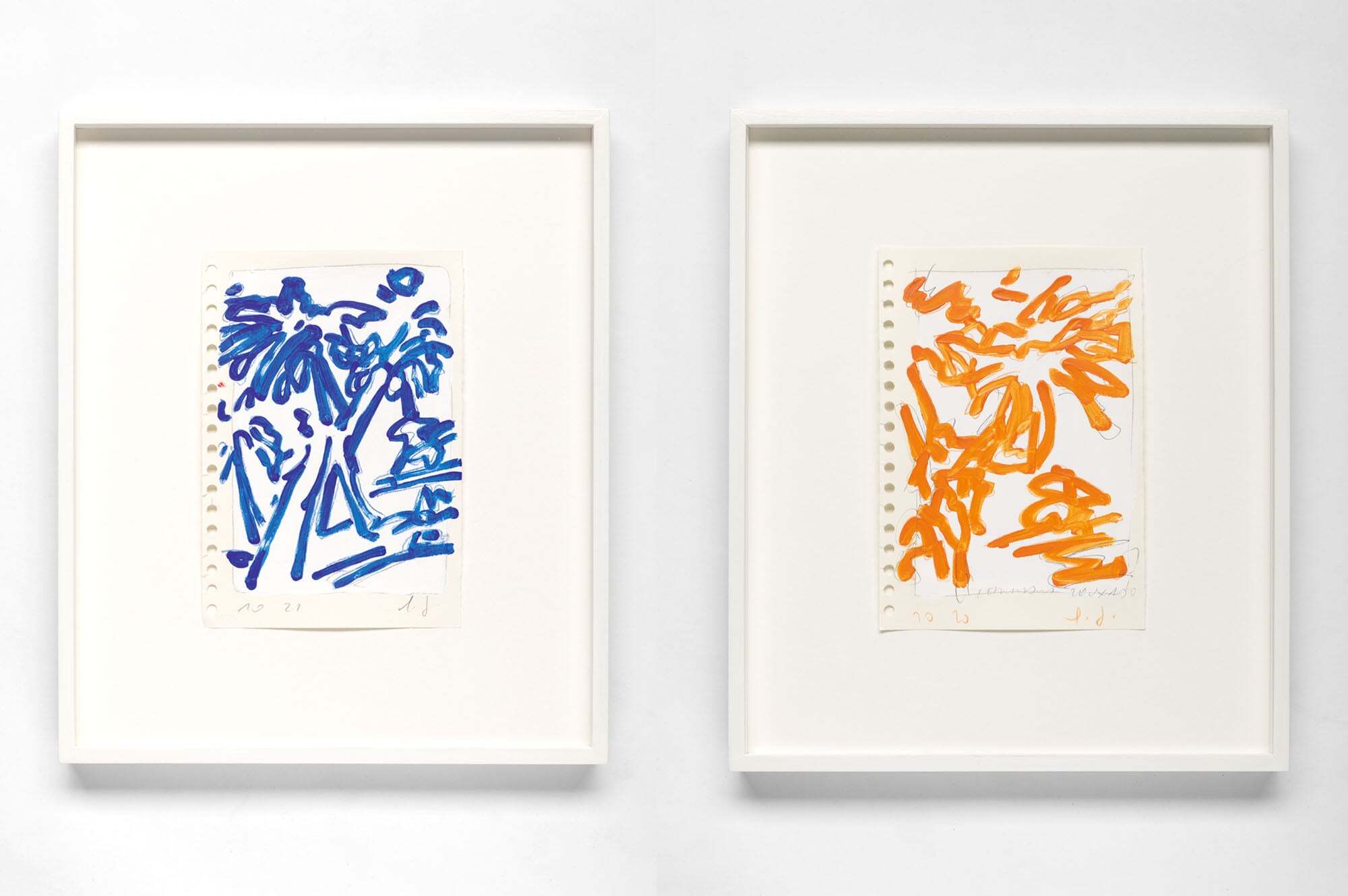
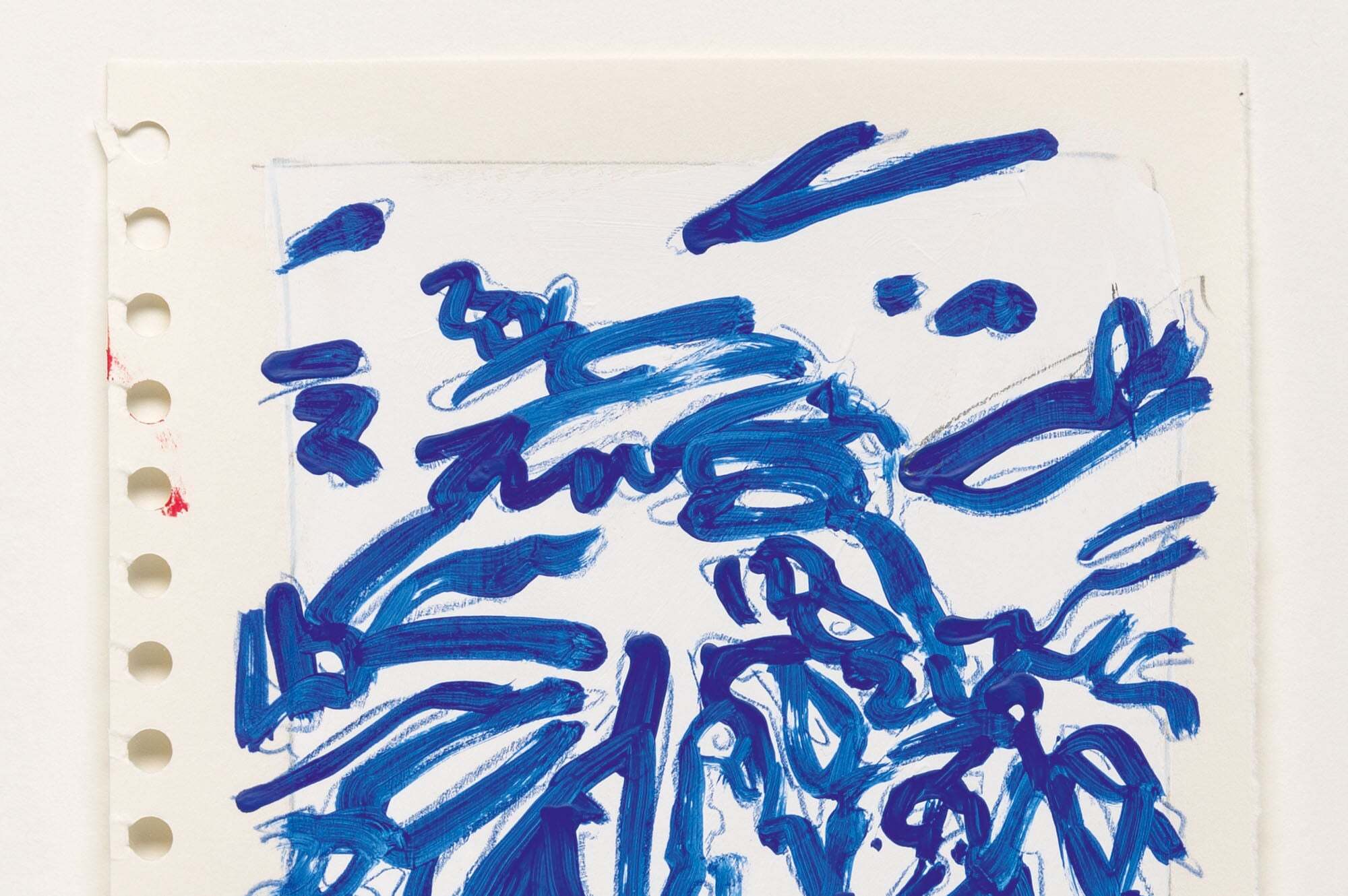
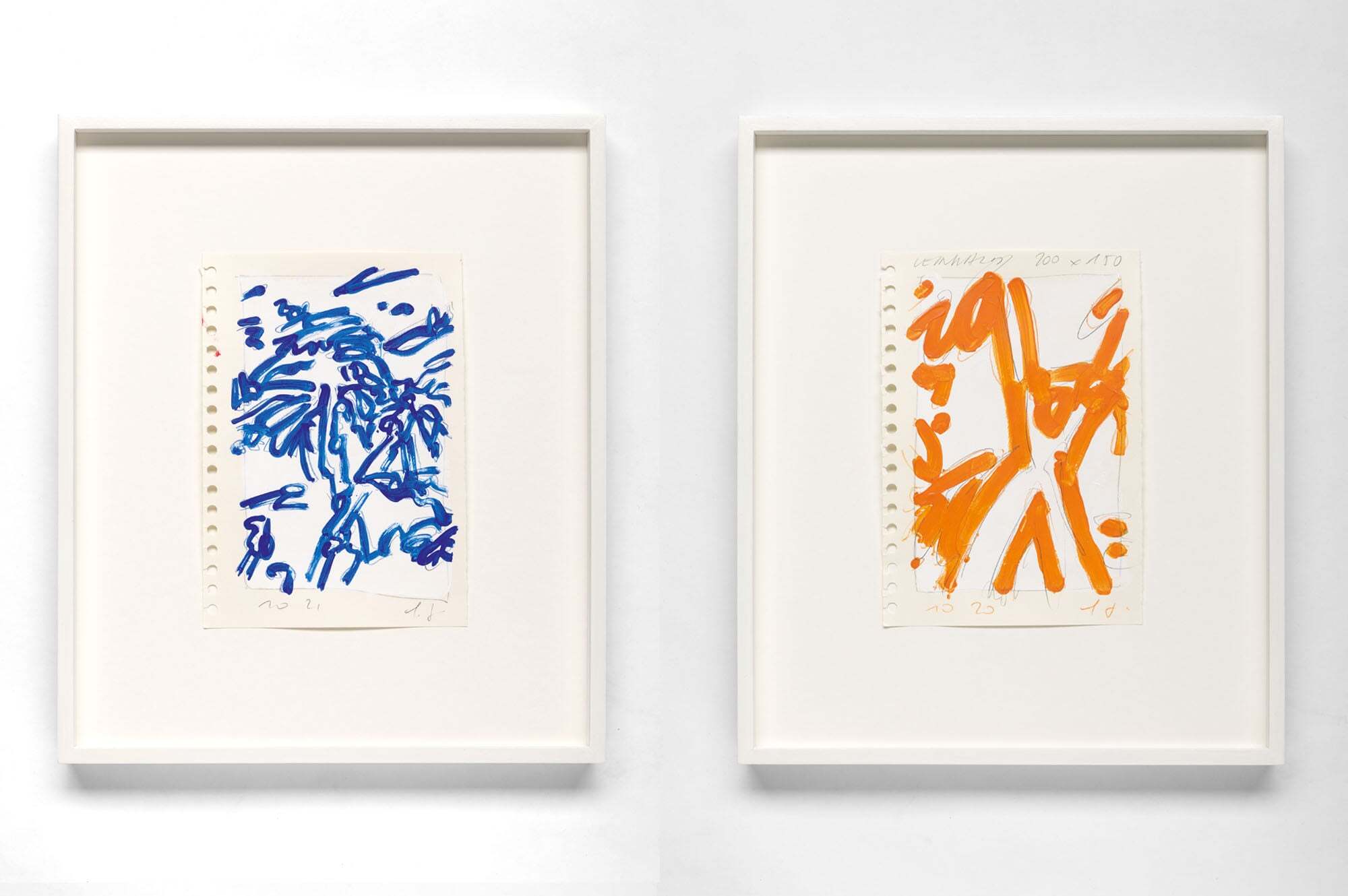
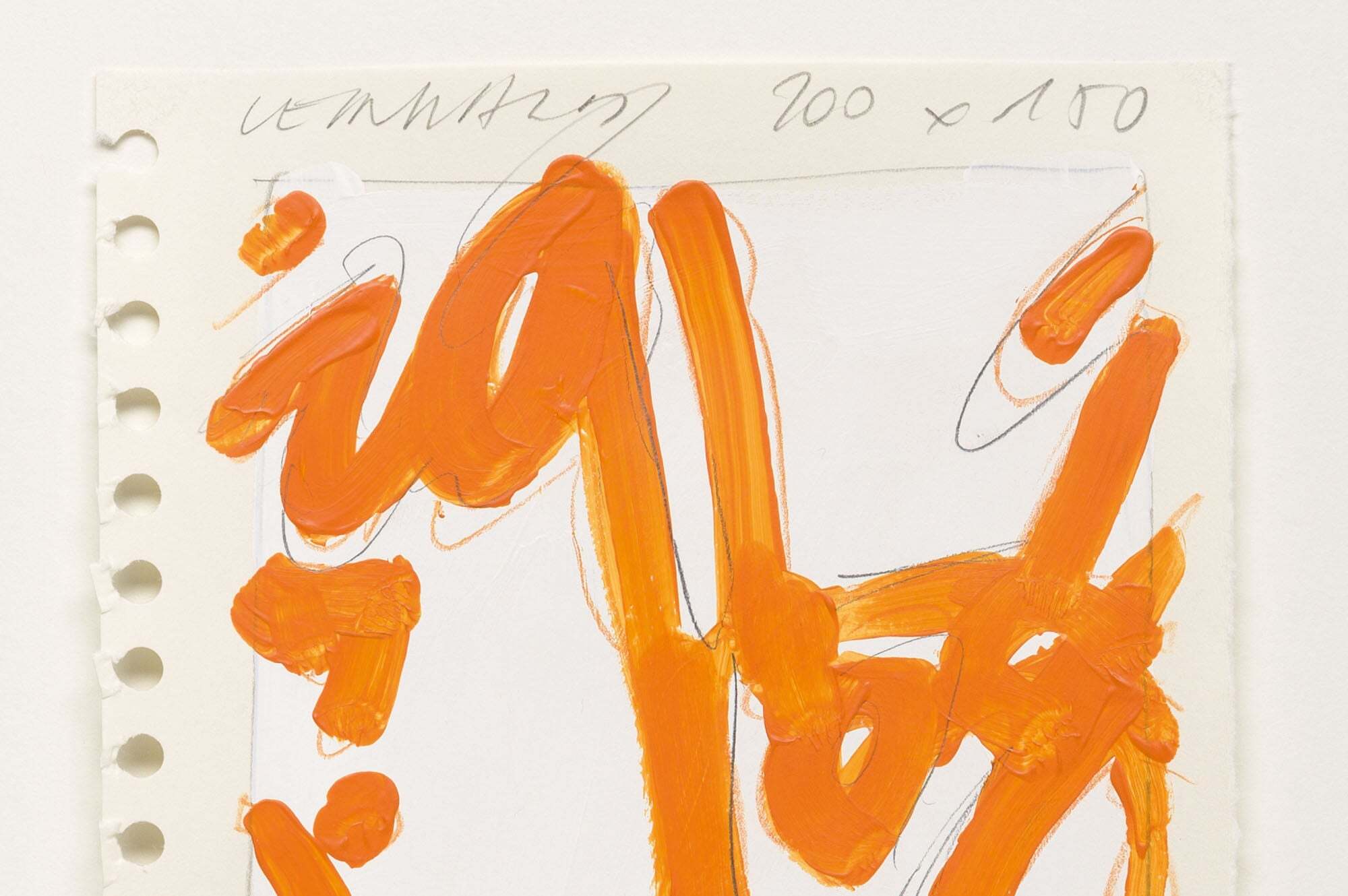
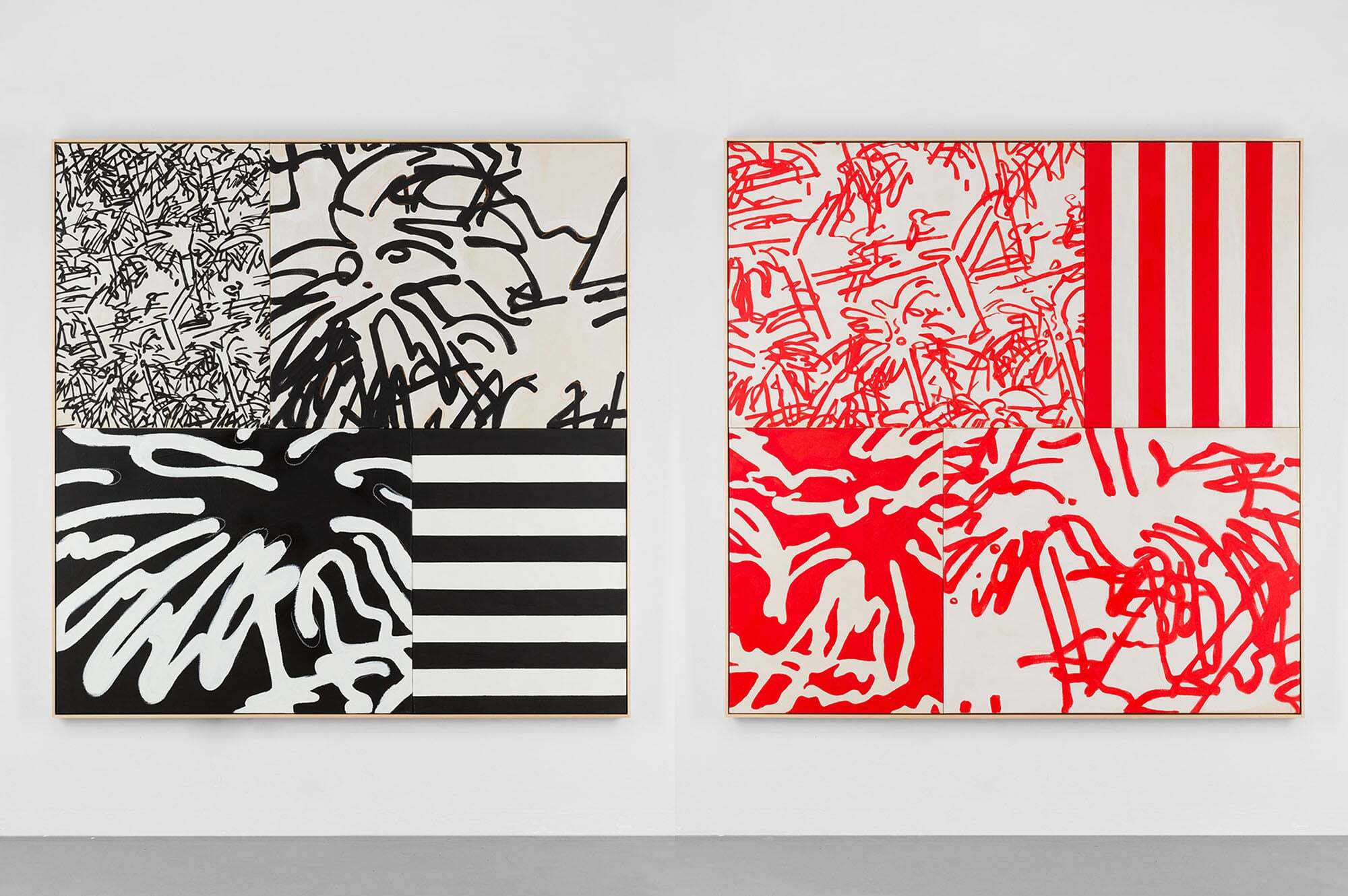
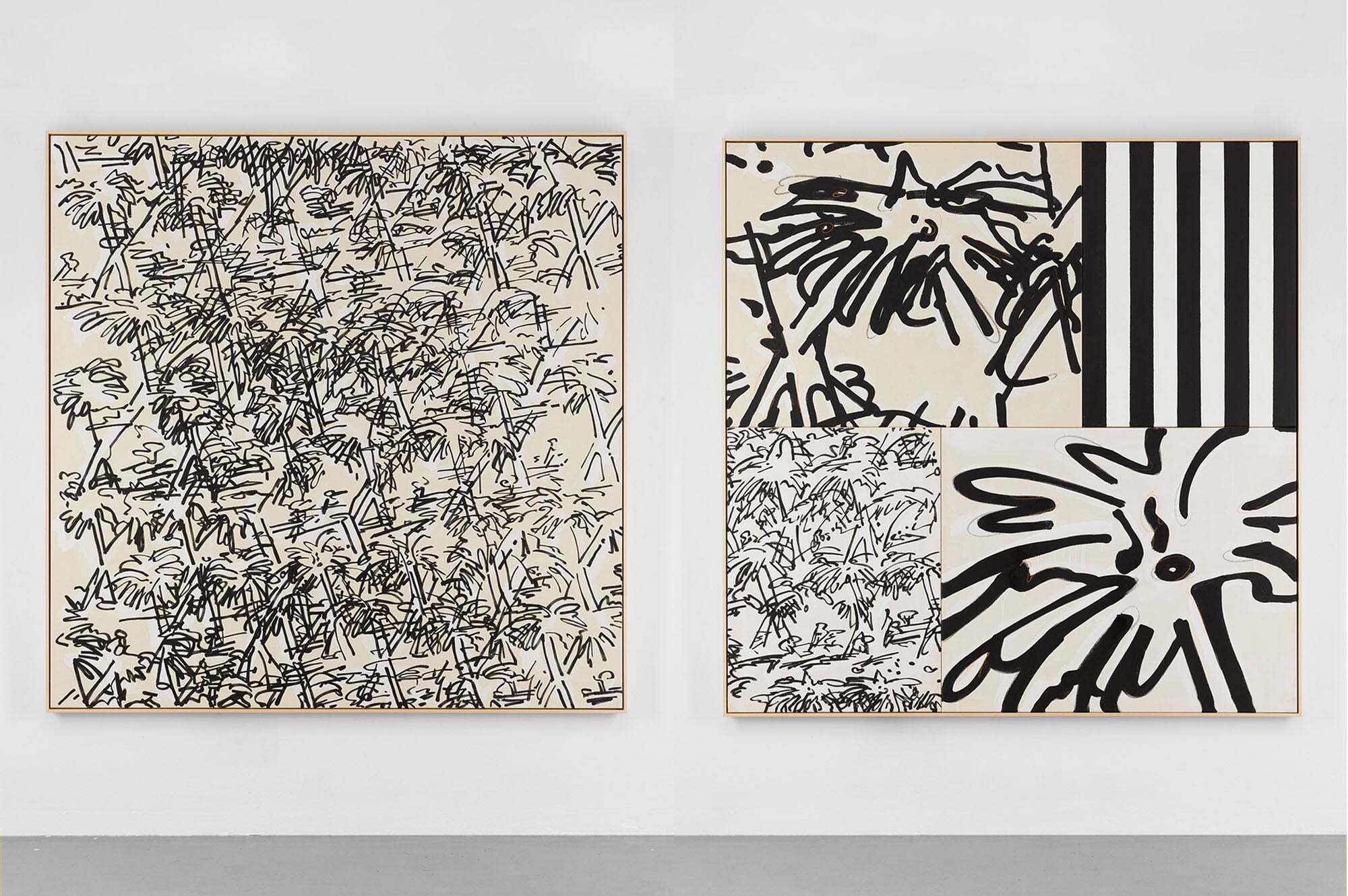
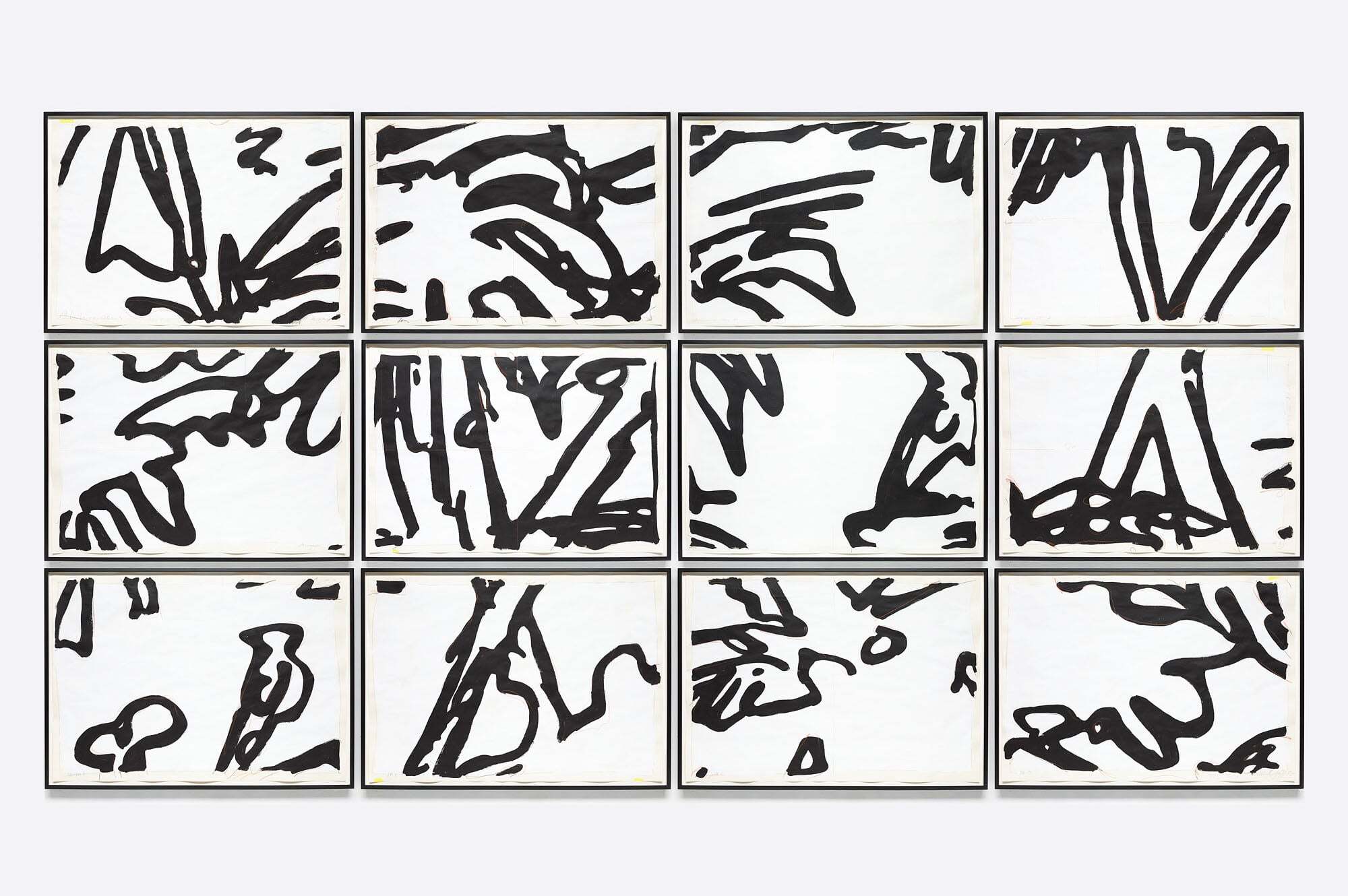
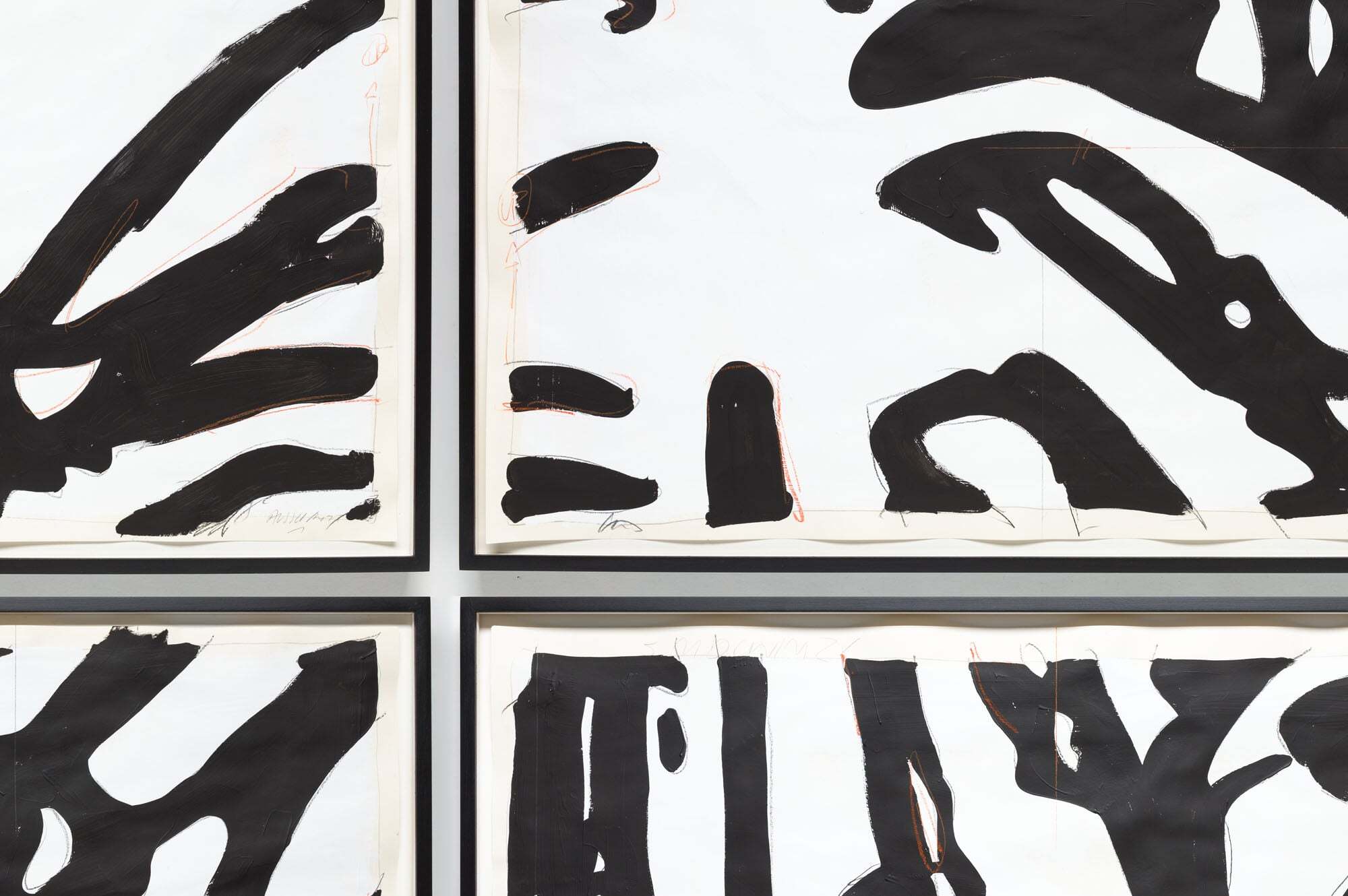
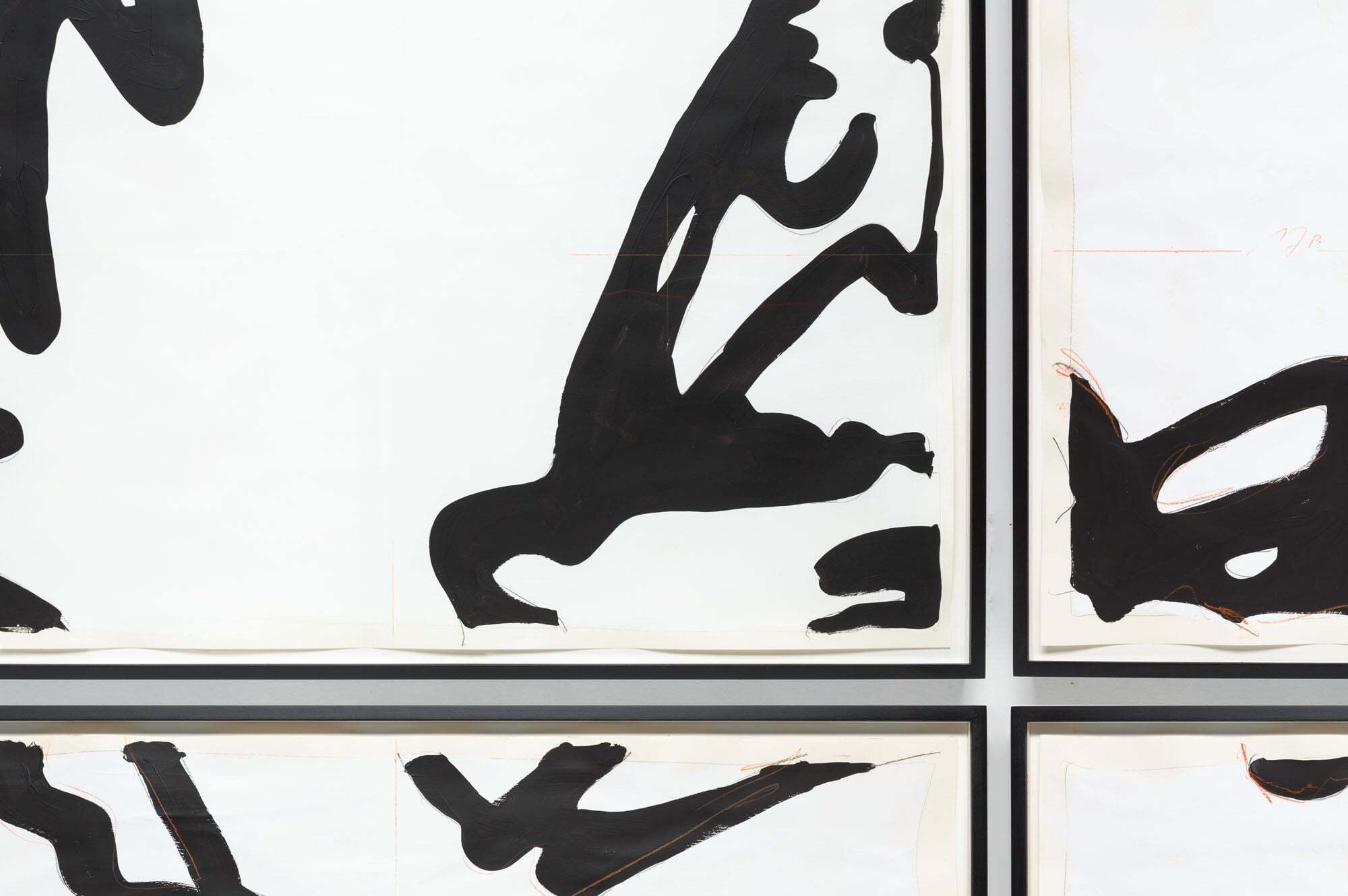
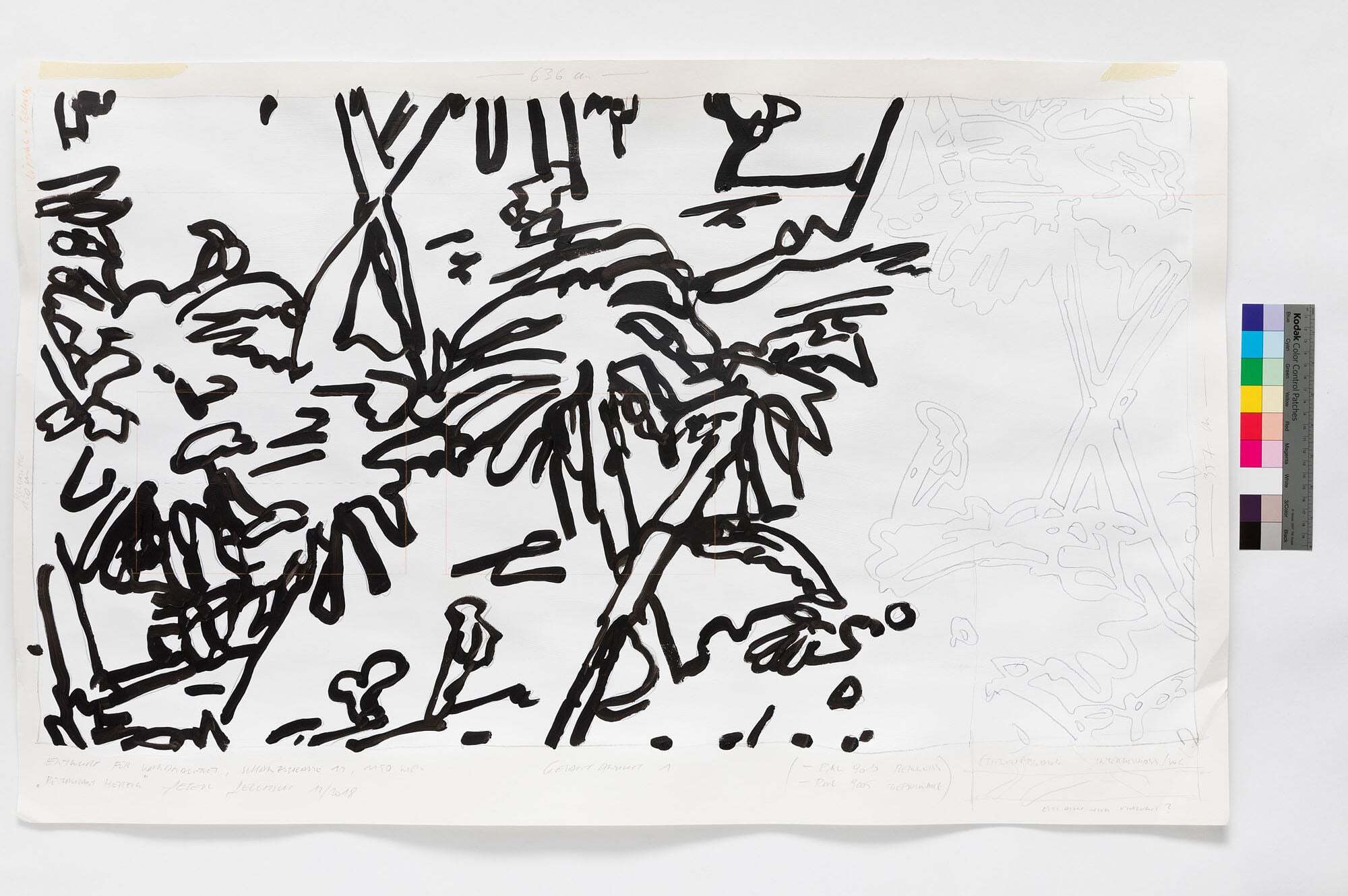
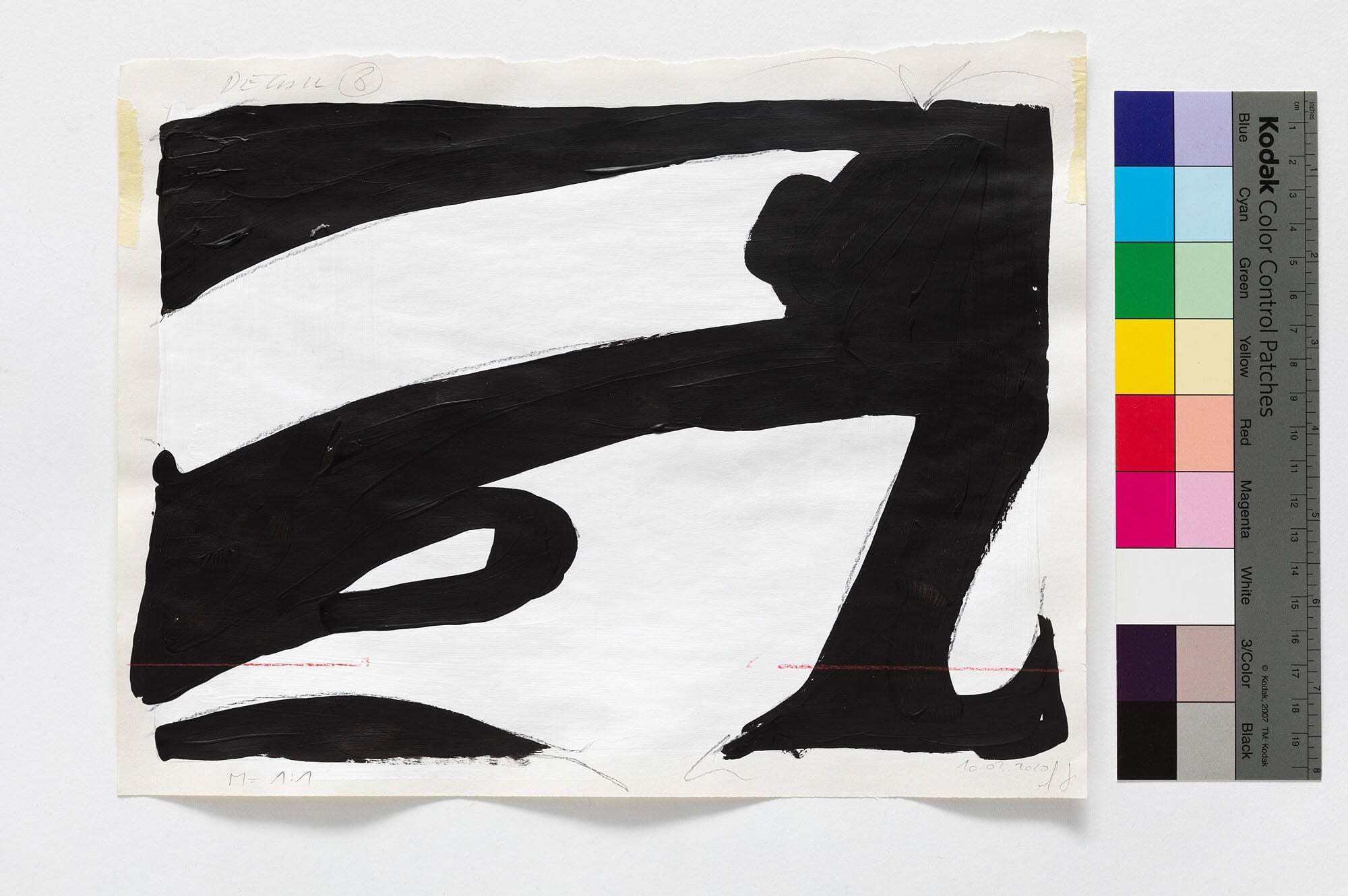
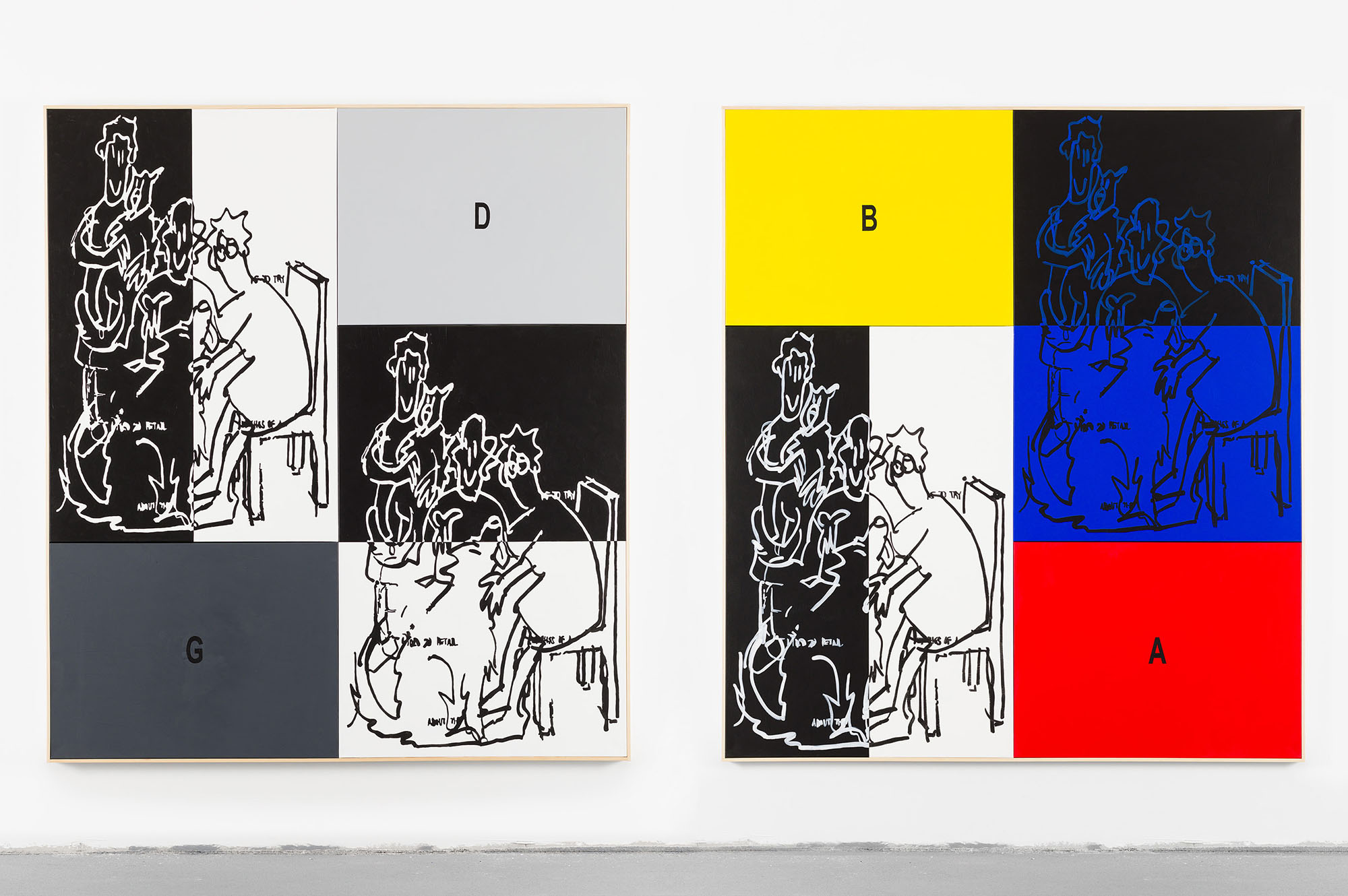
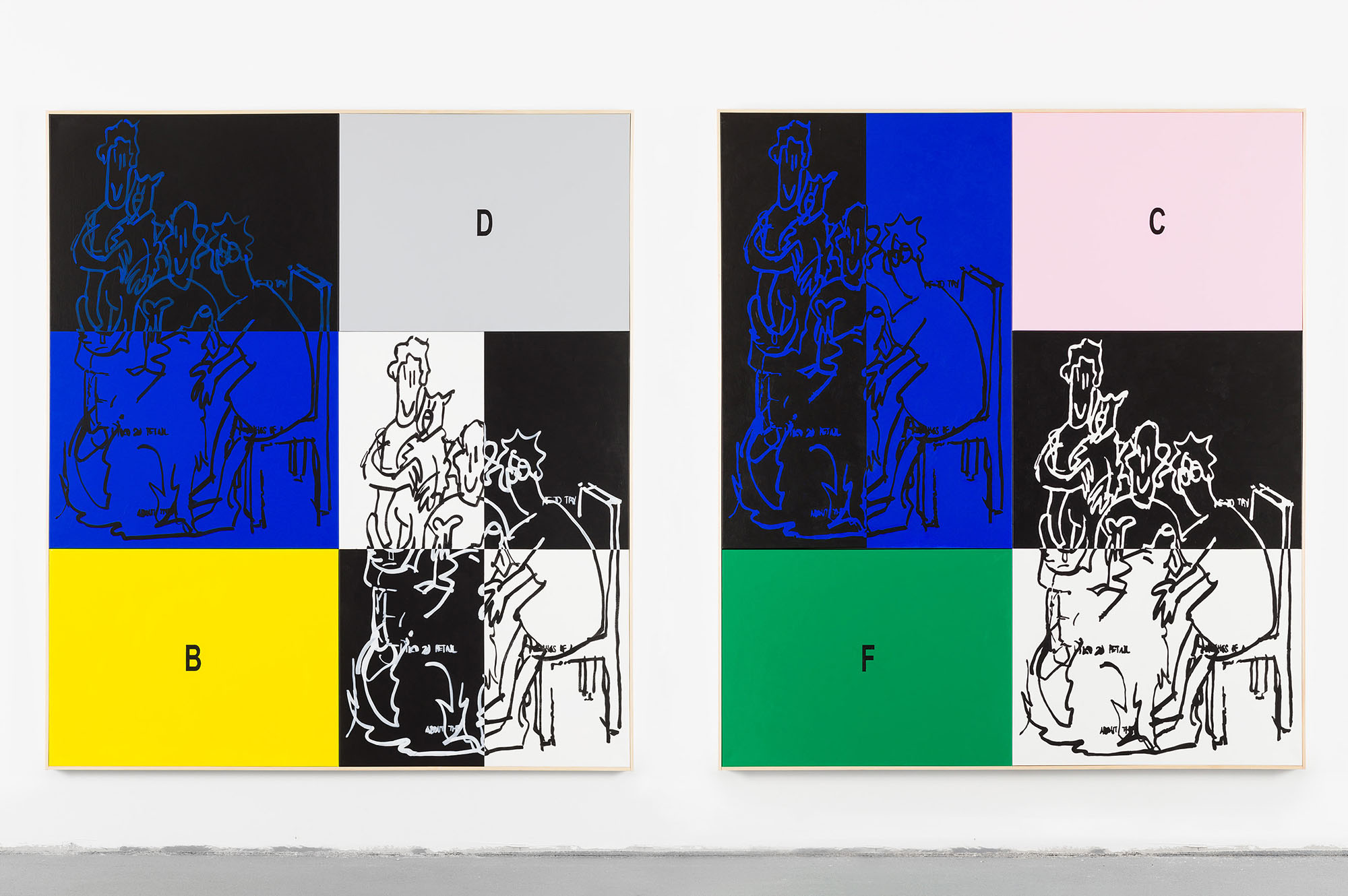
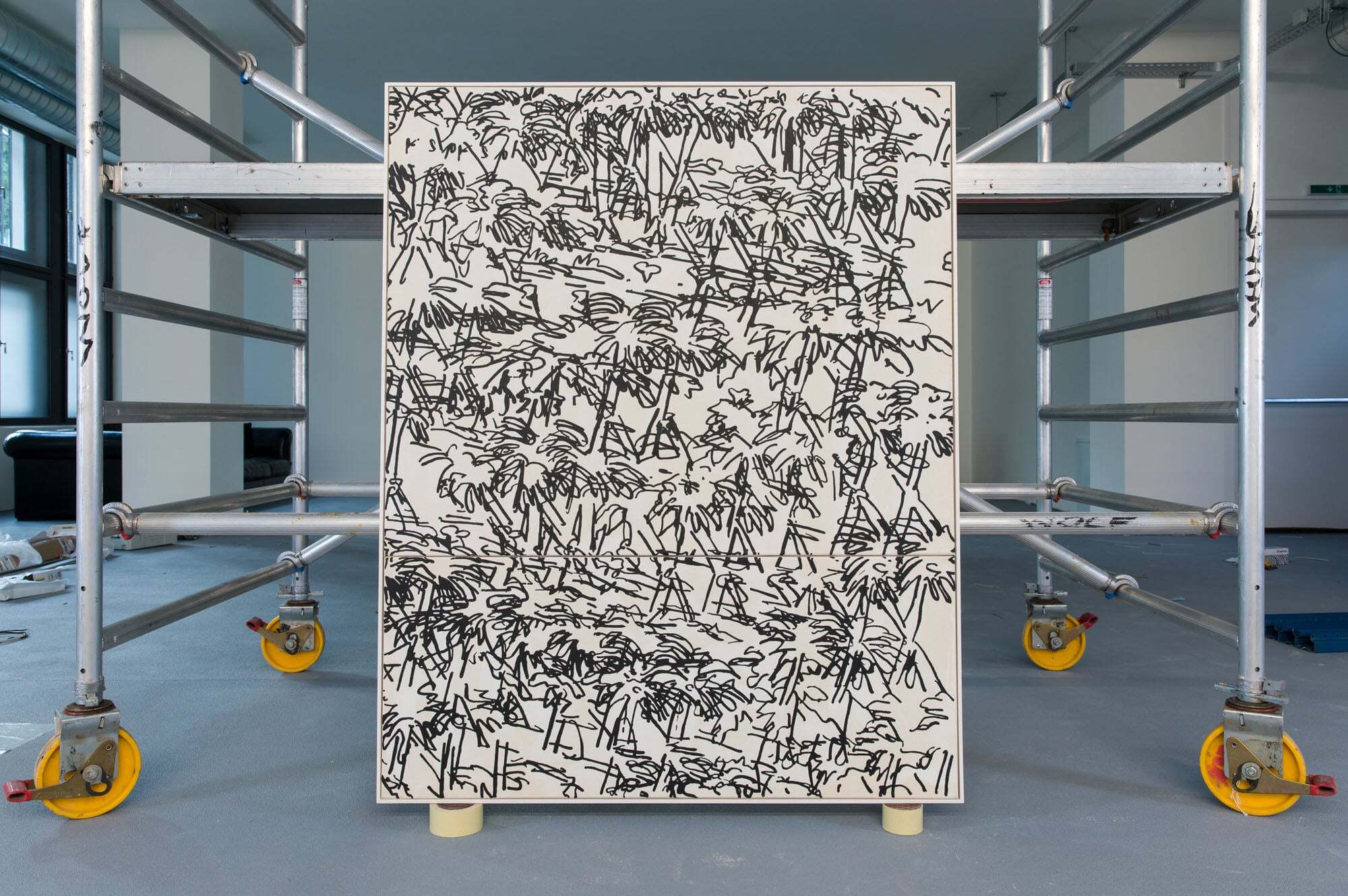
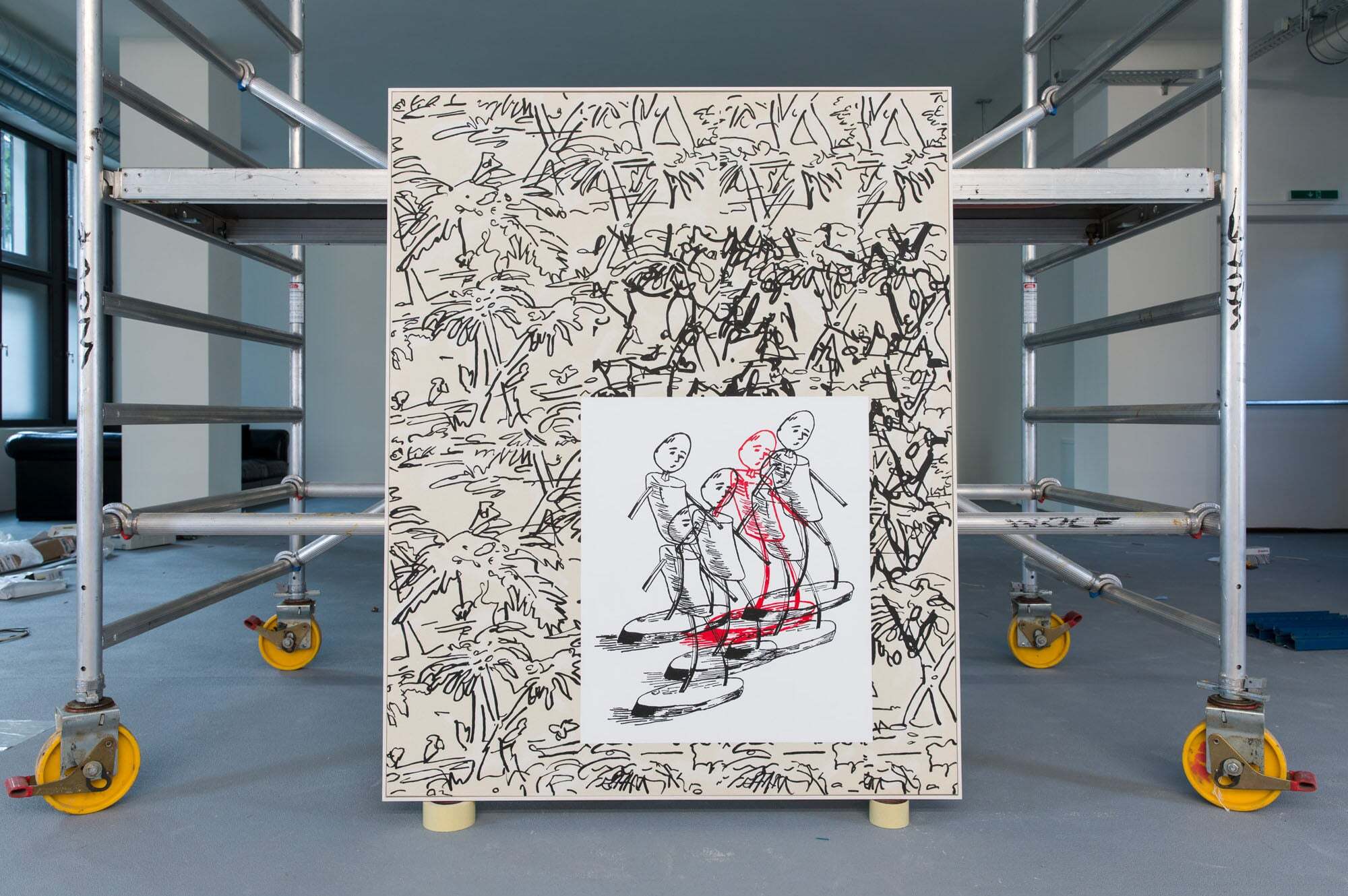
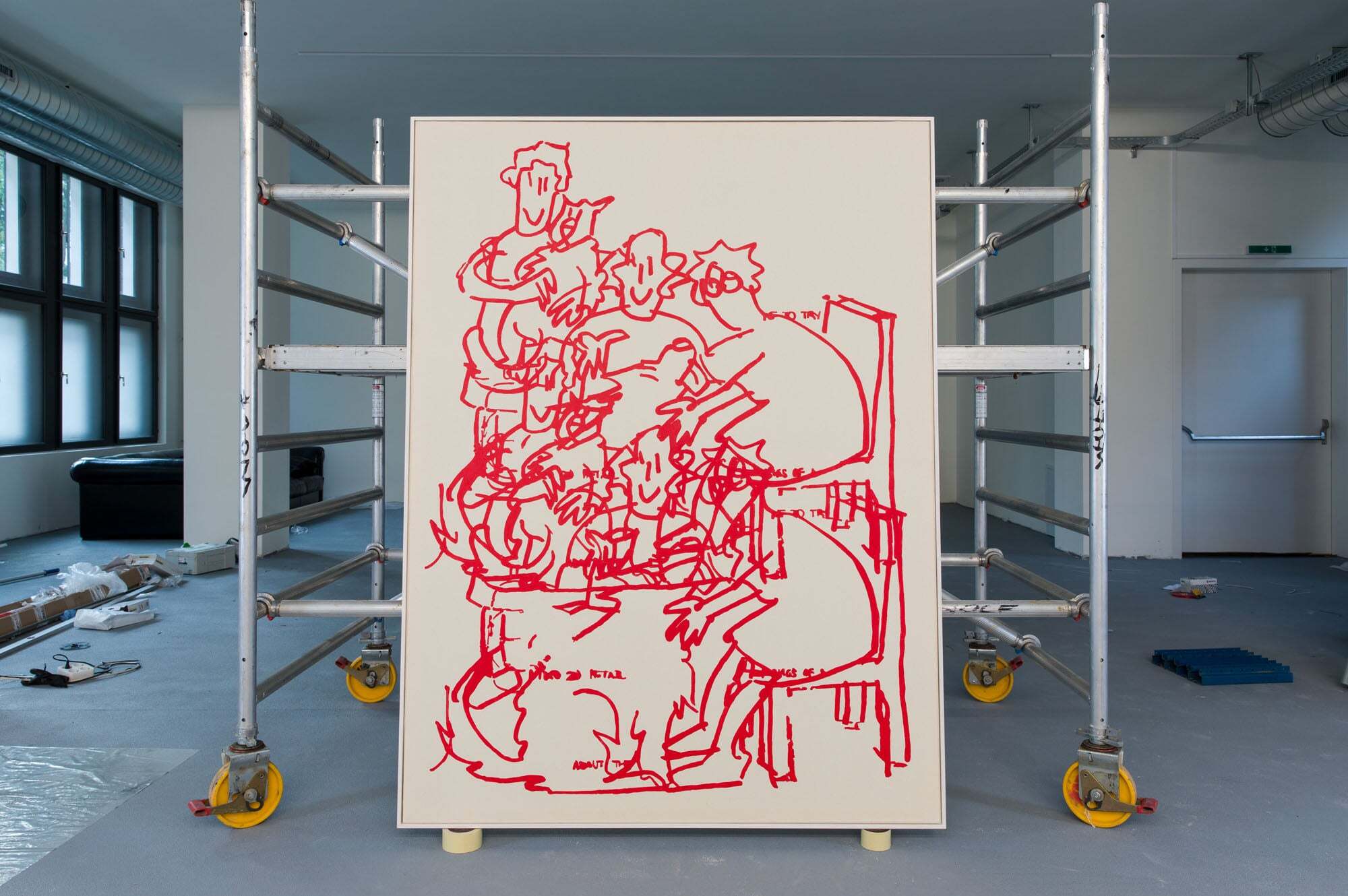
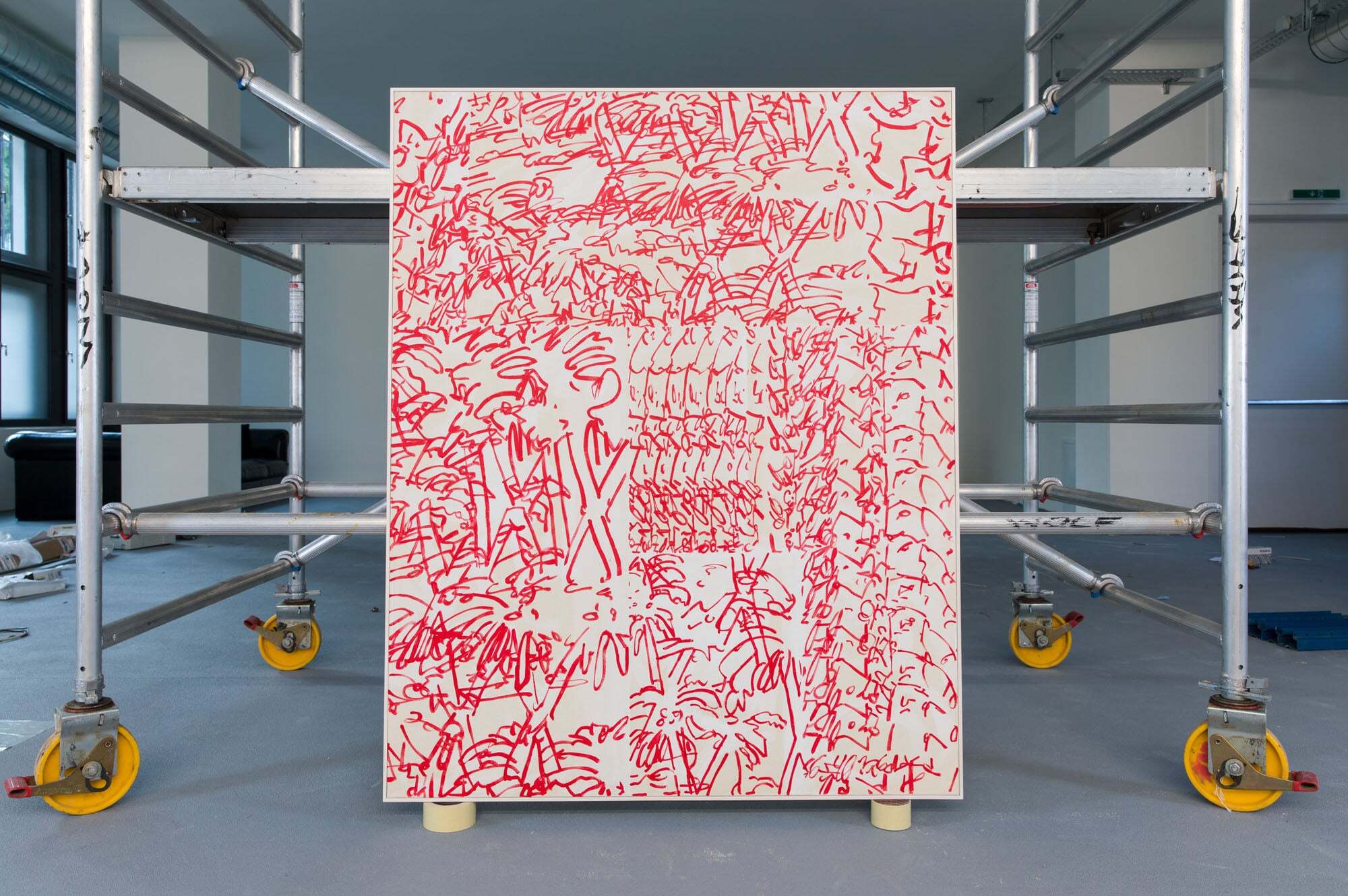
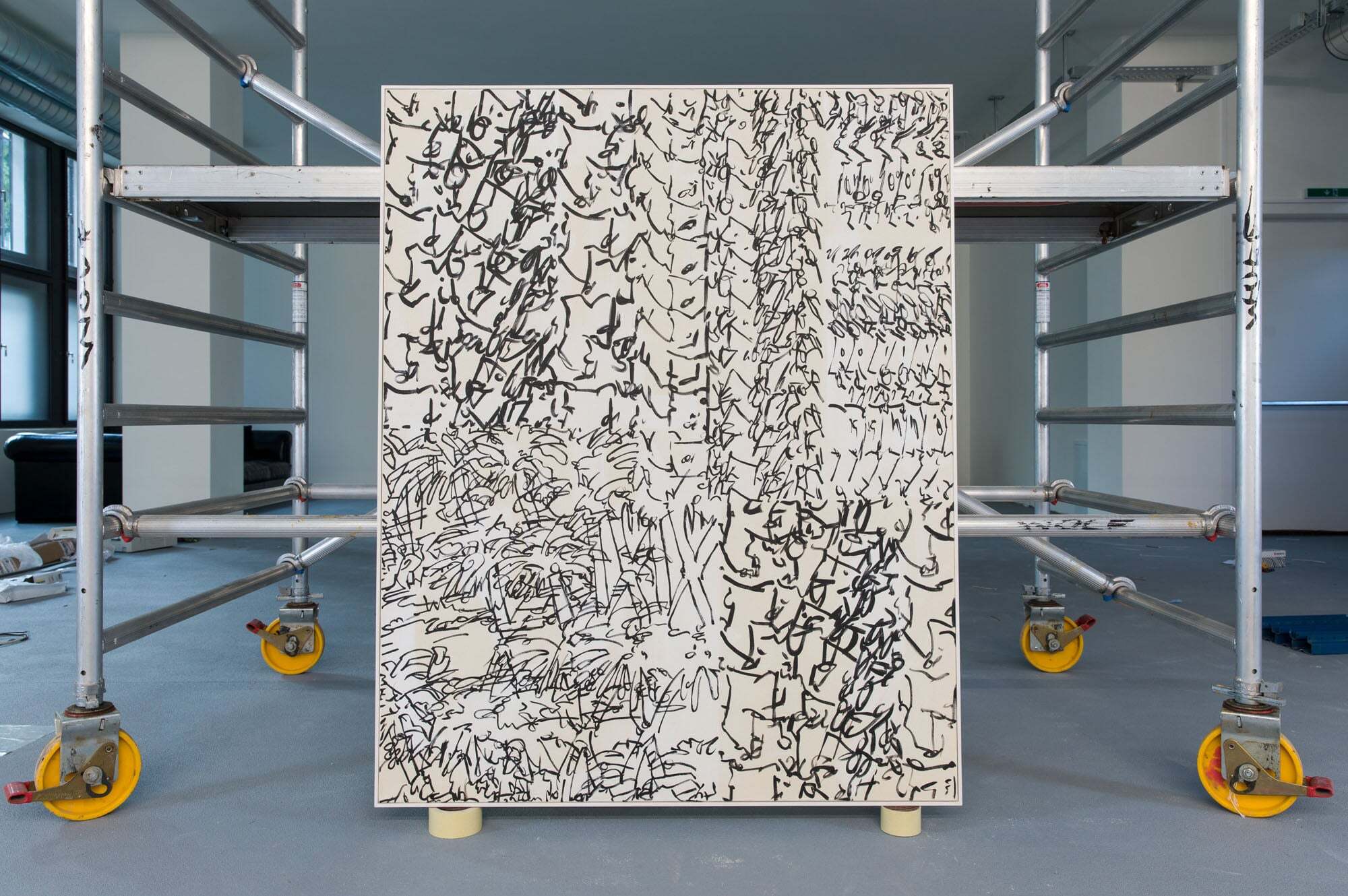
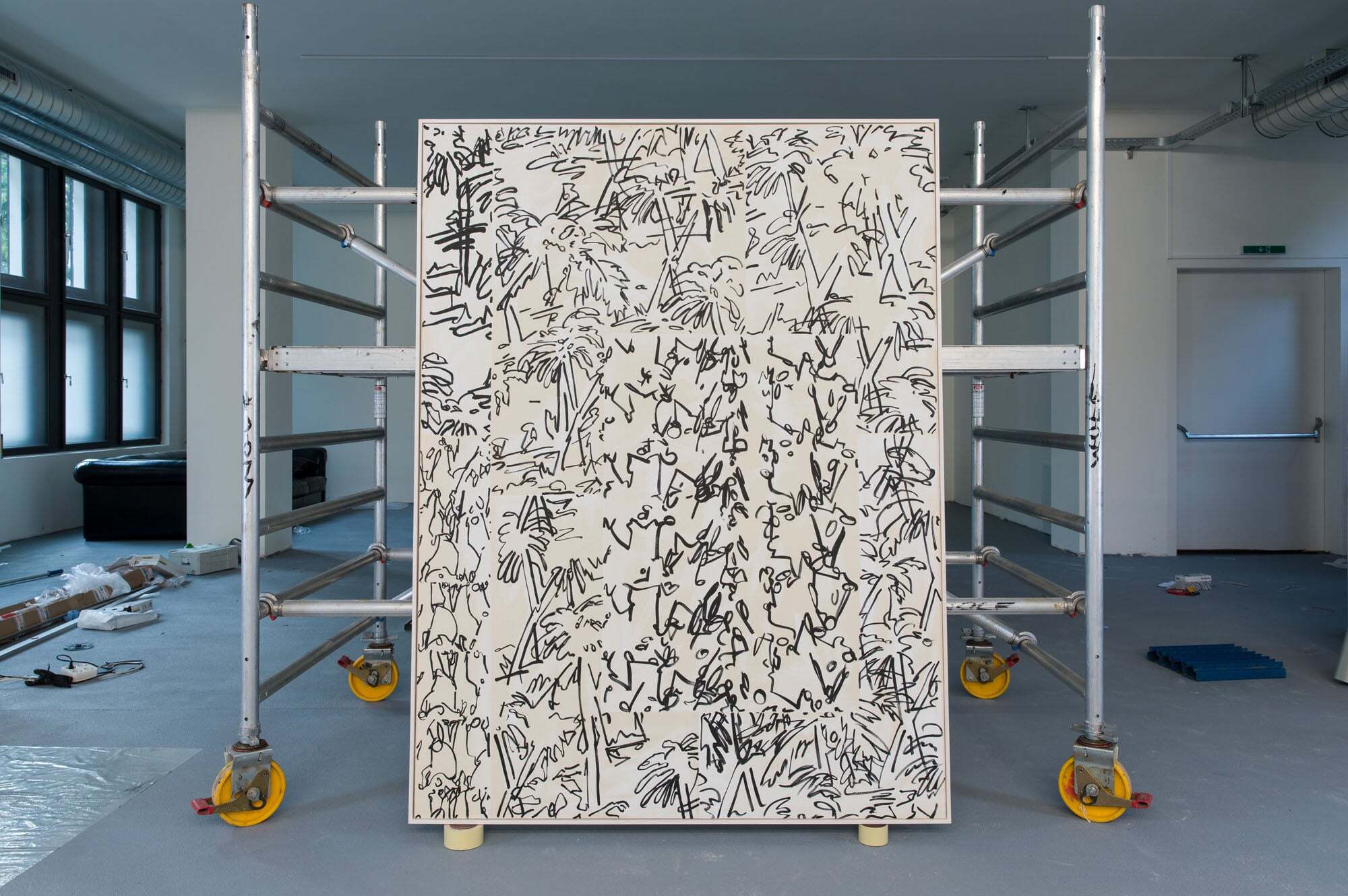
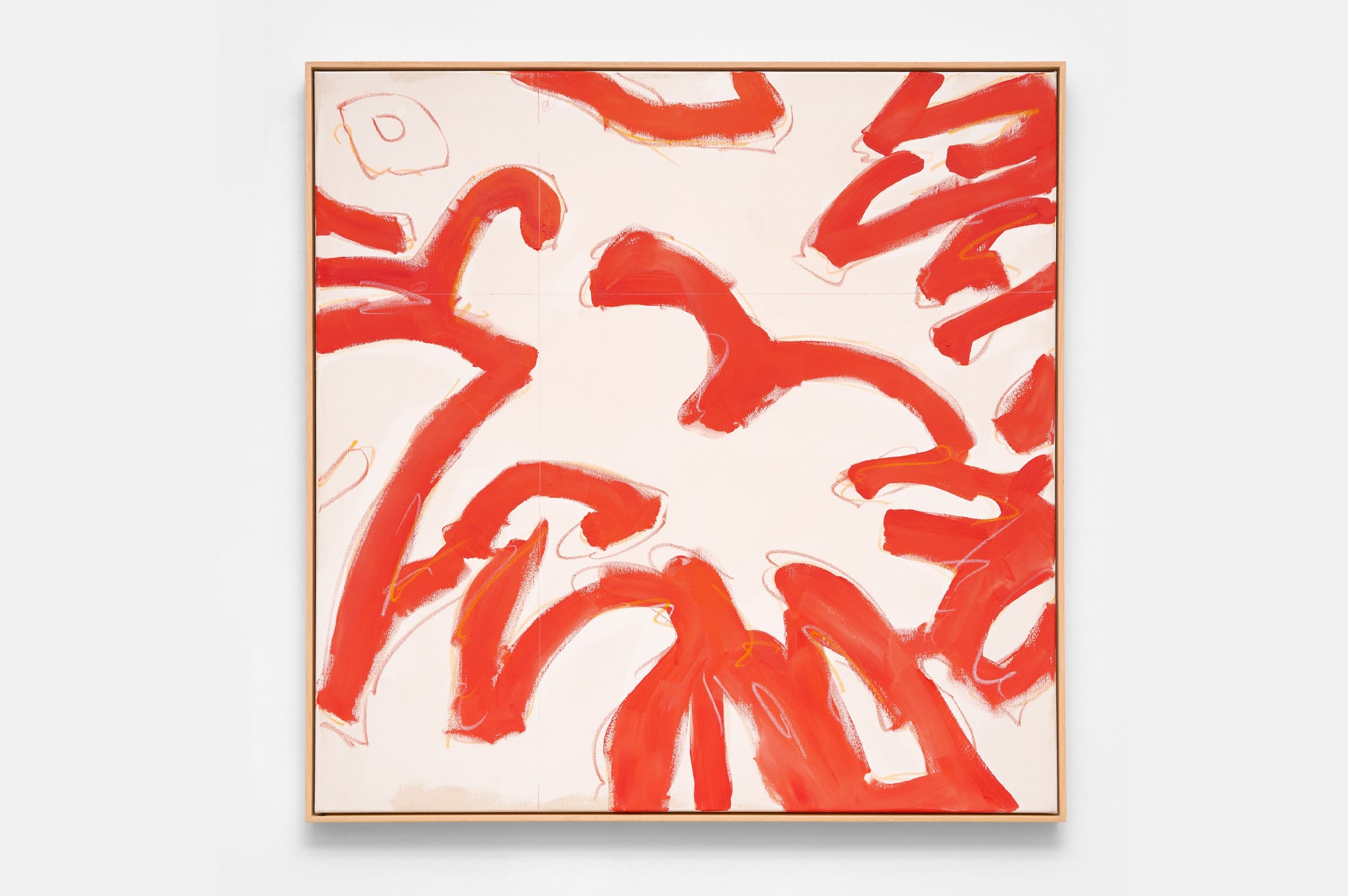
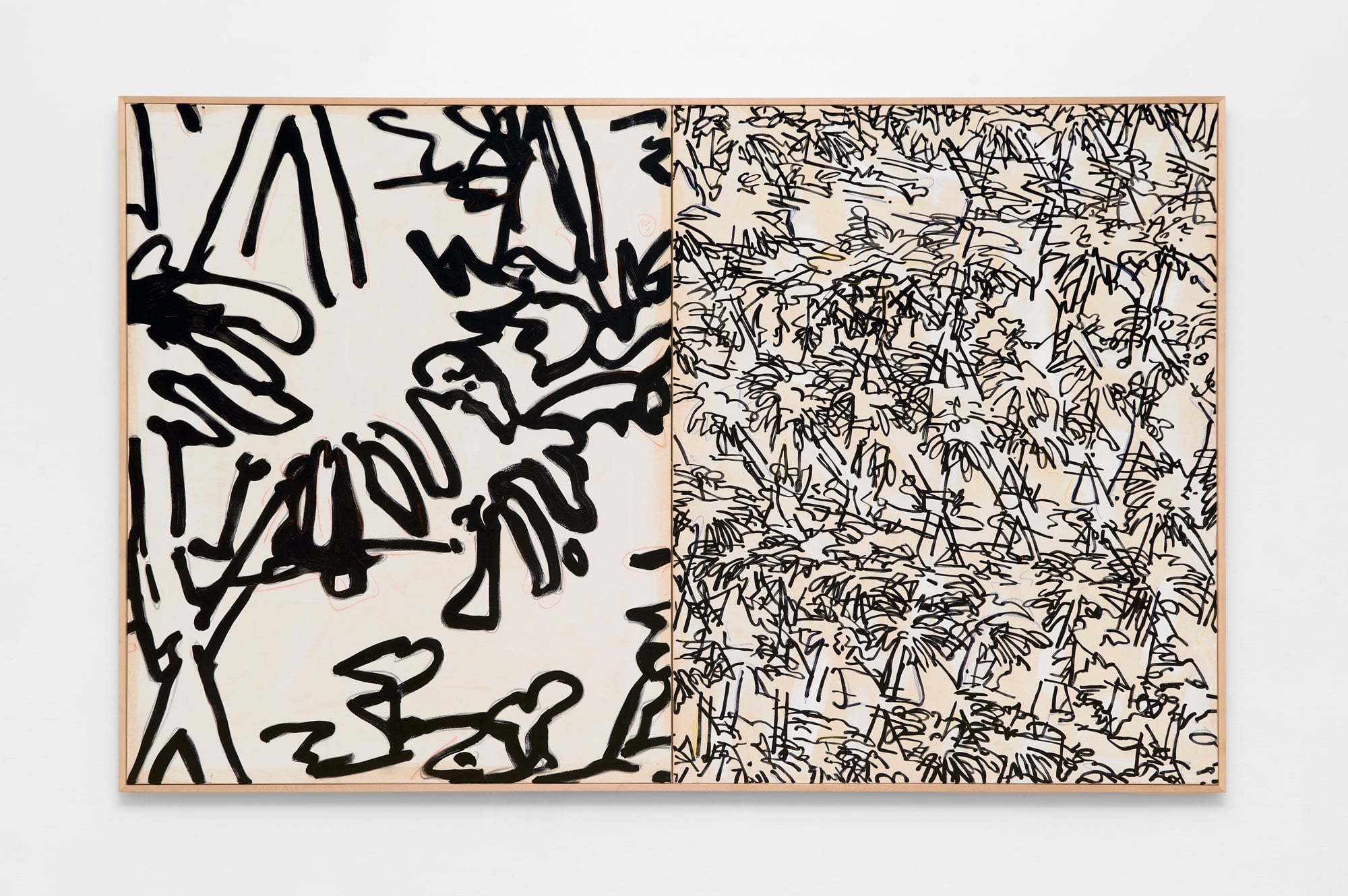
Simulate Flora (drafts)
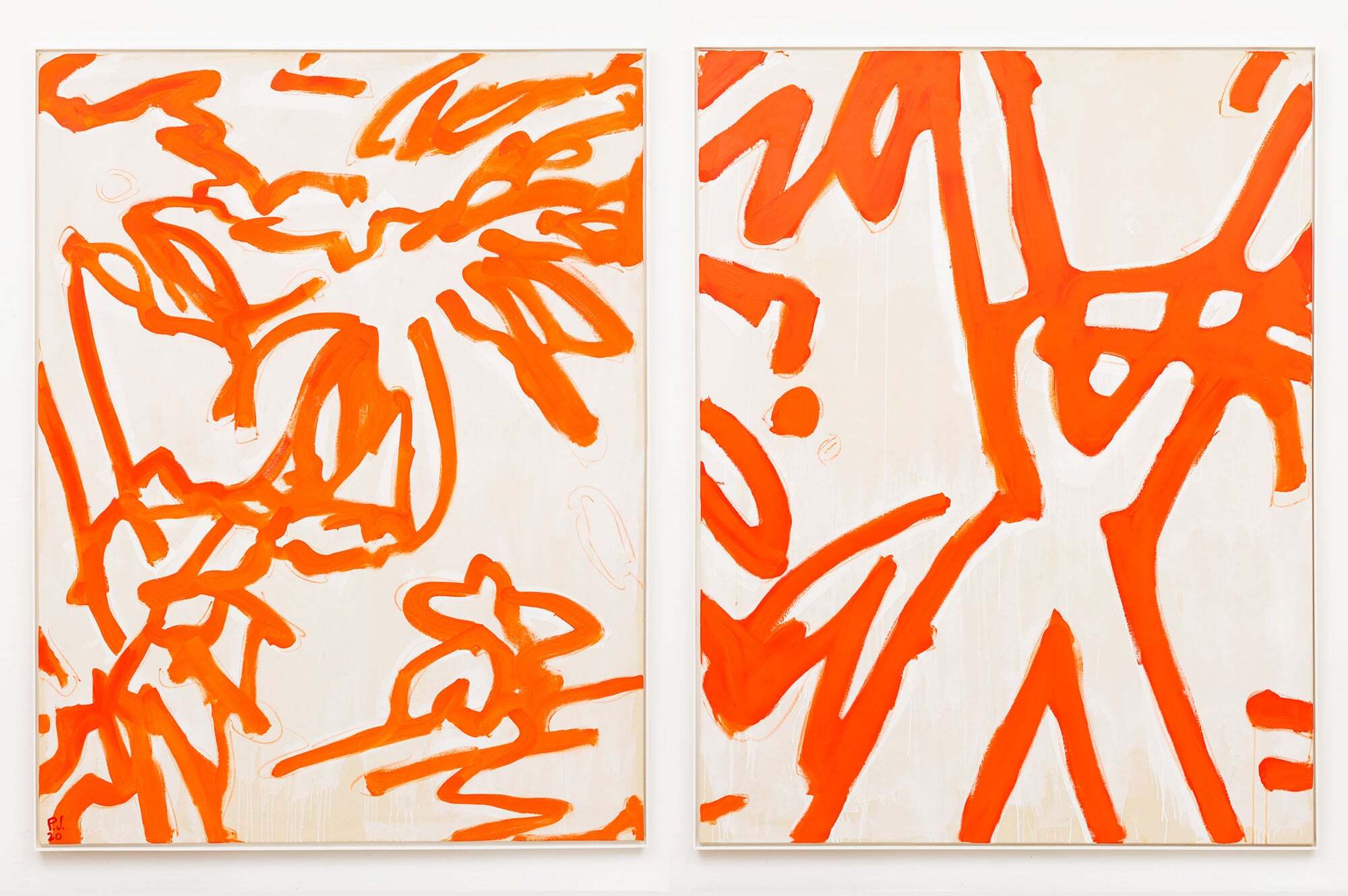
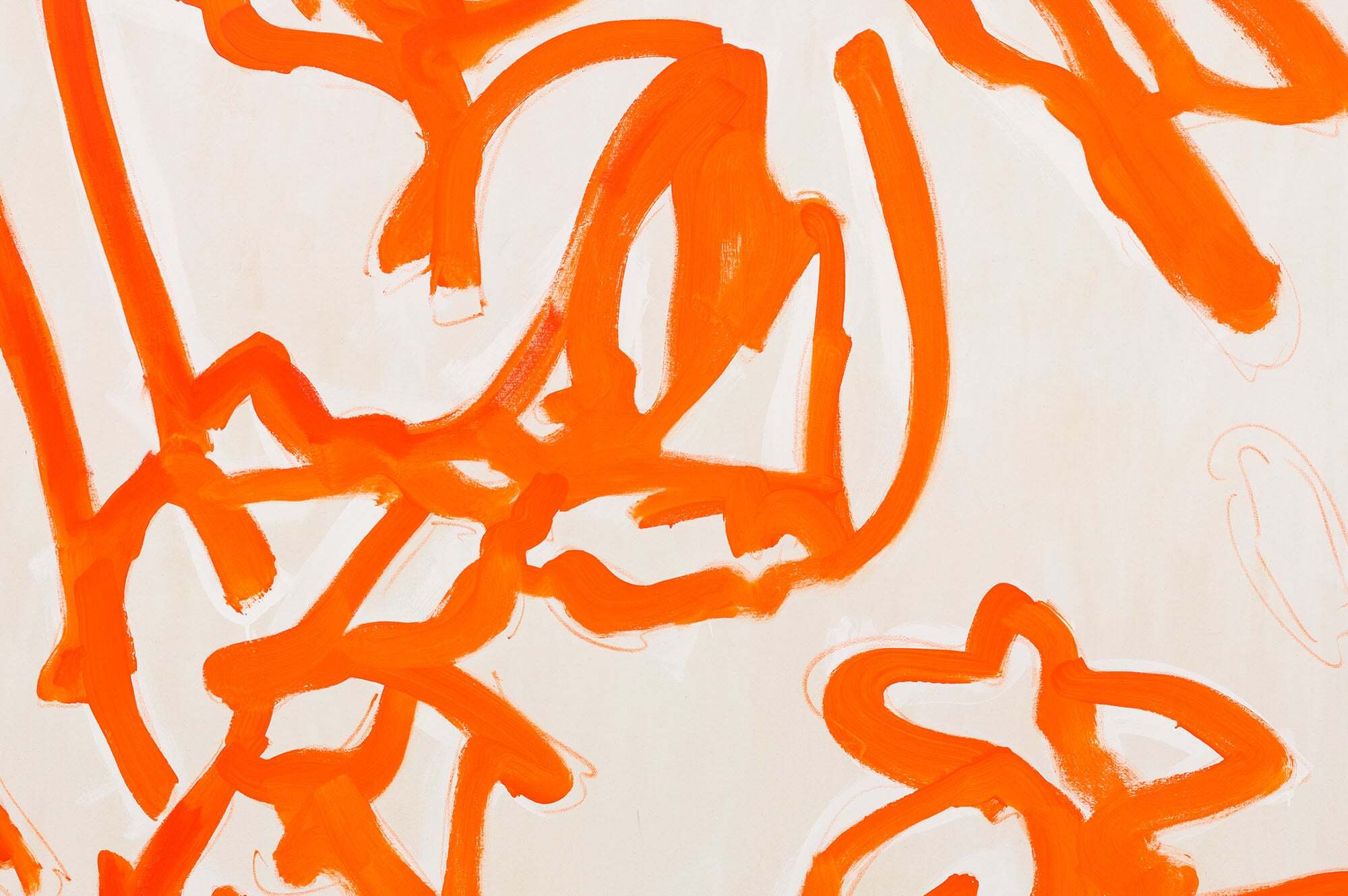
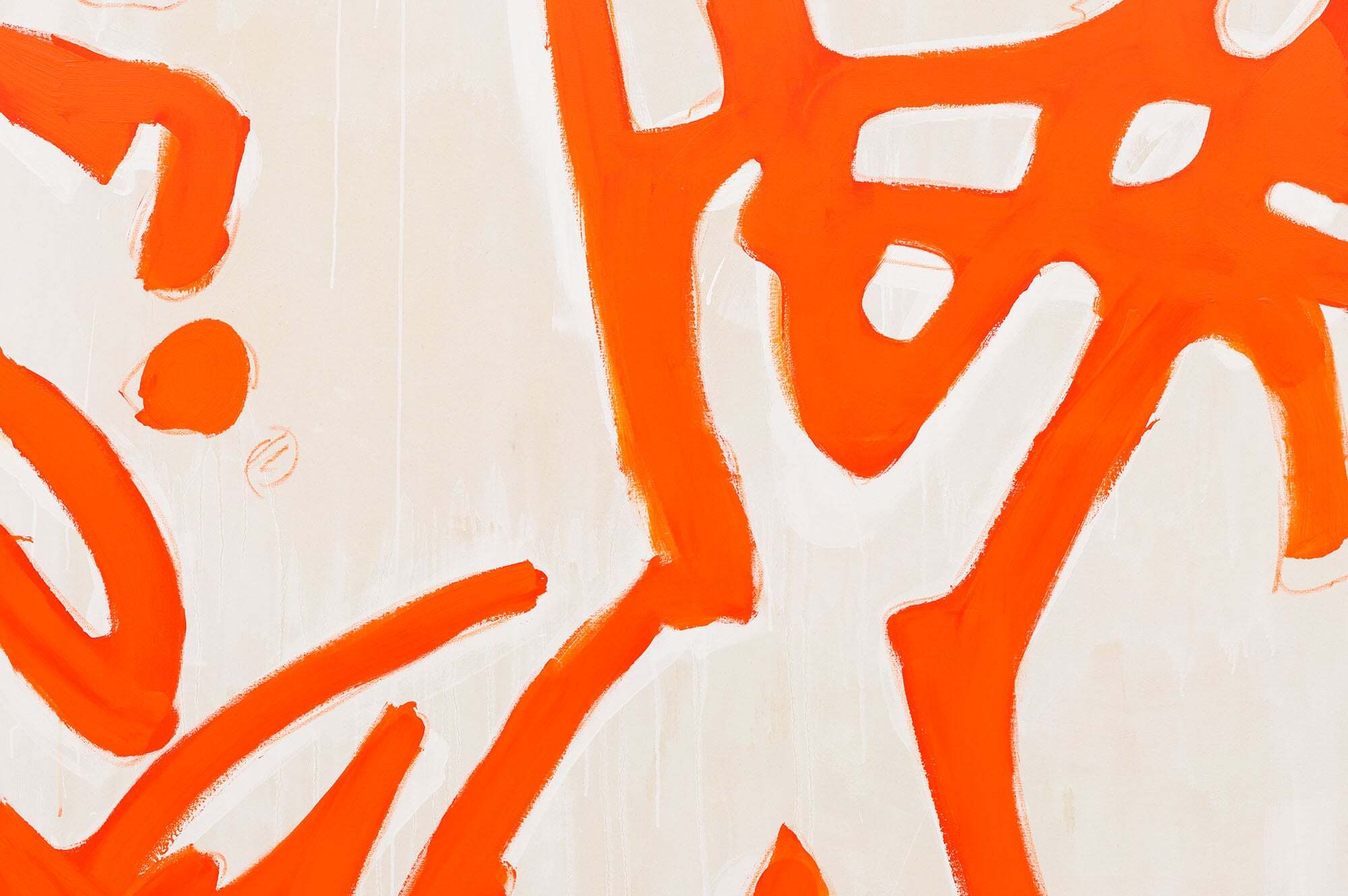
All photos: © Leonhard Hilzensauer
All photos: © Leonhard Hilzensauer
All photos: © Leonhard Hilzensauer
All photos: © Leonhard Hilzensauer
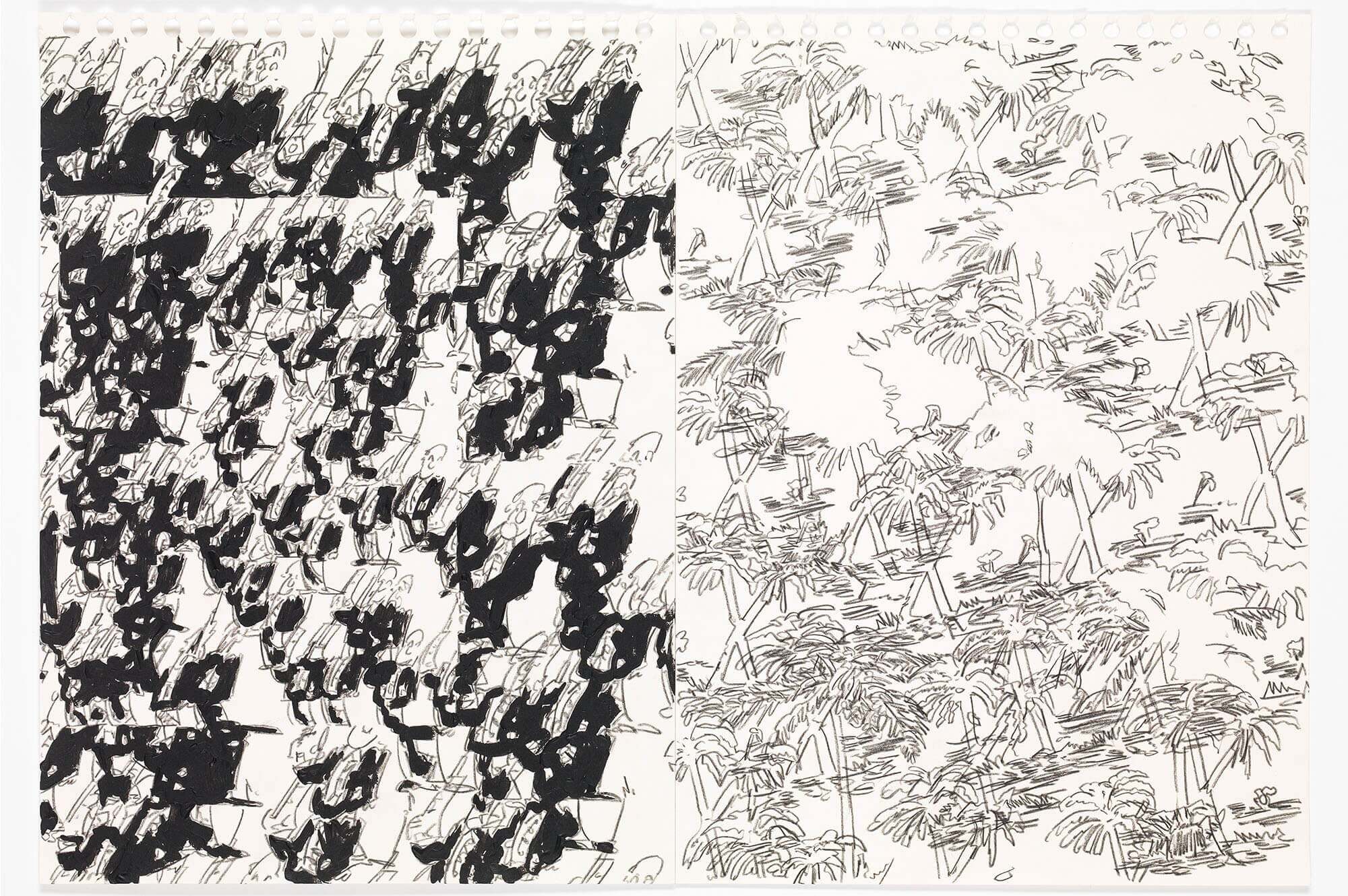
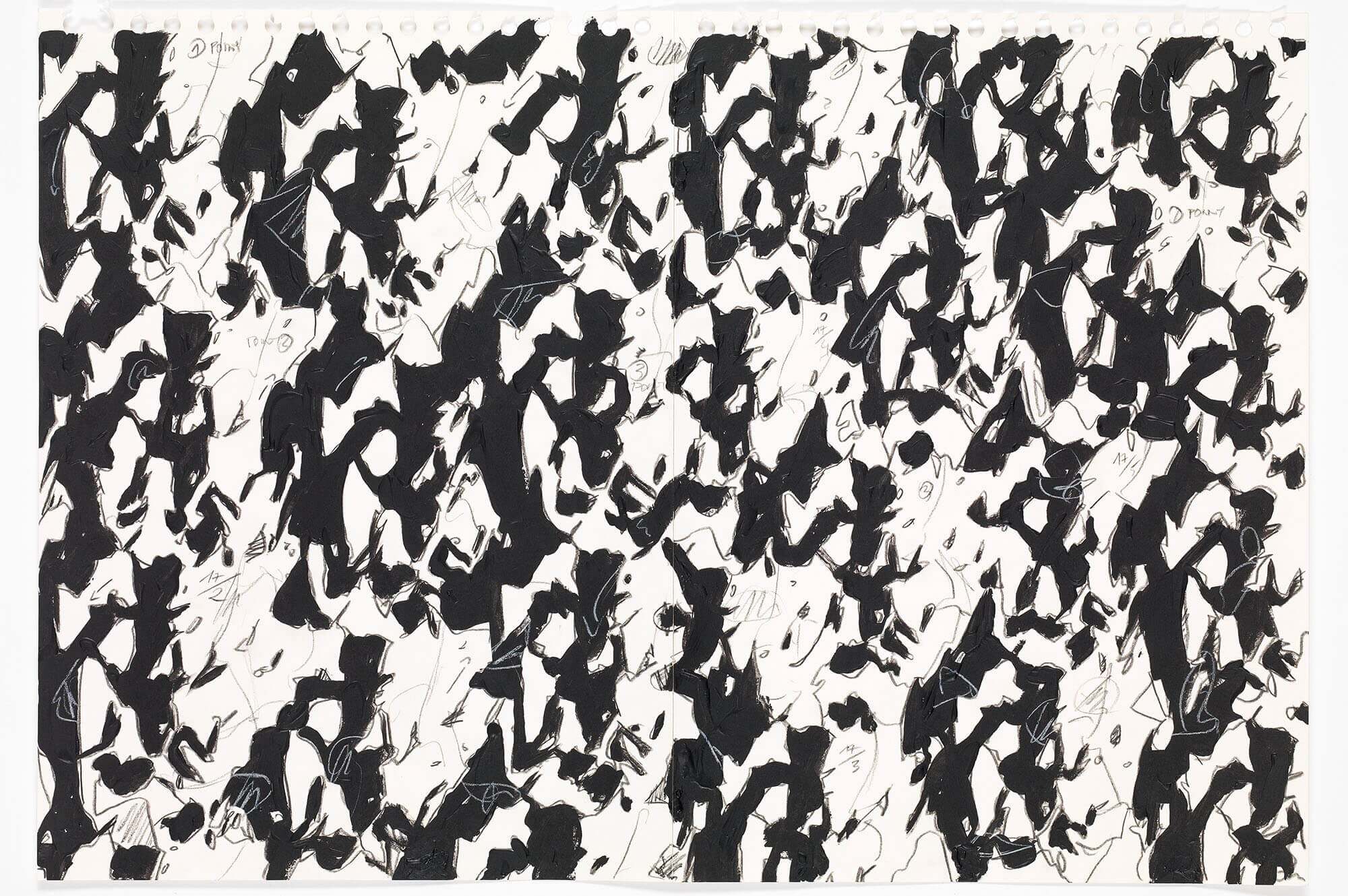
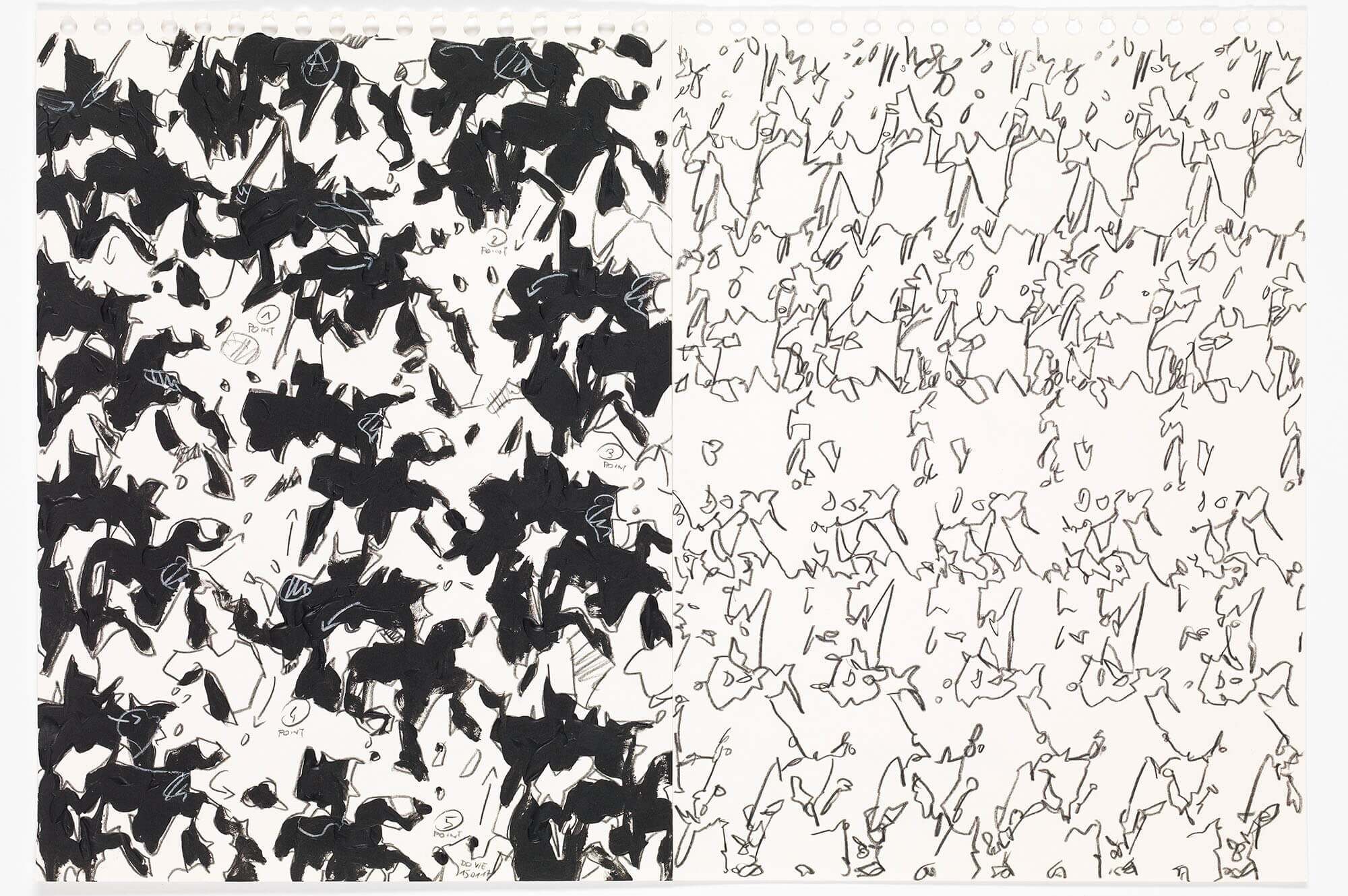
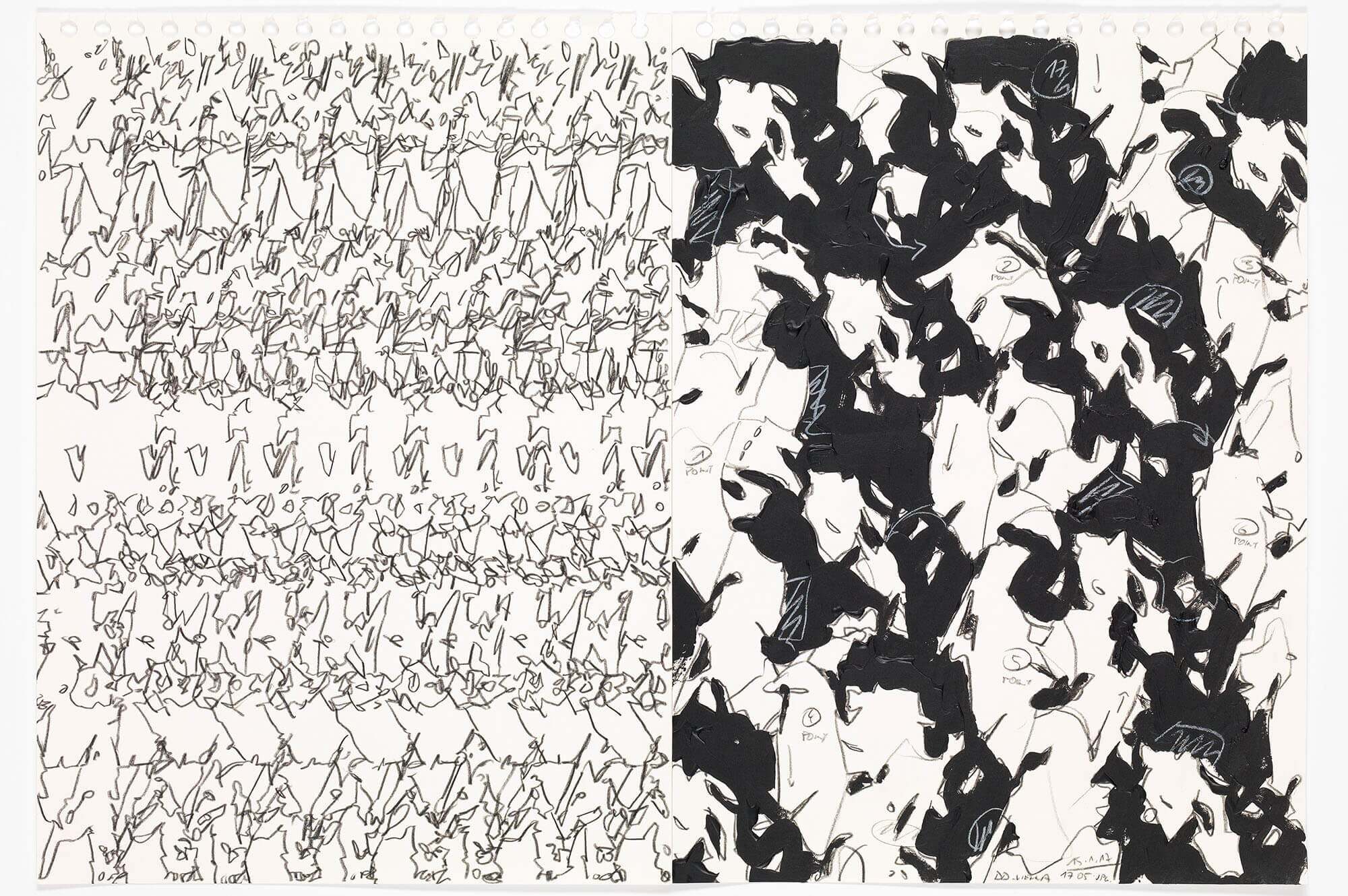
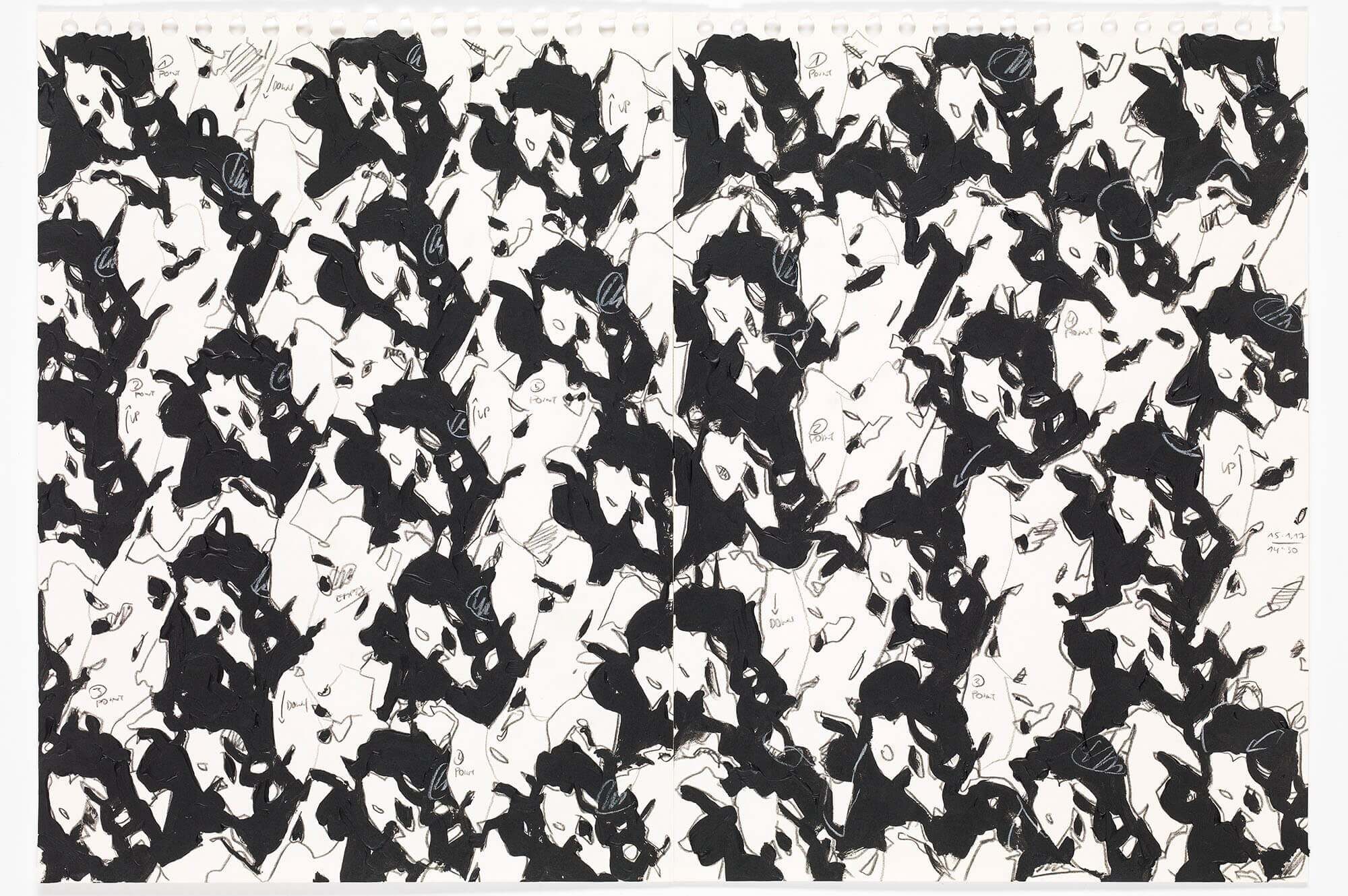
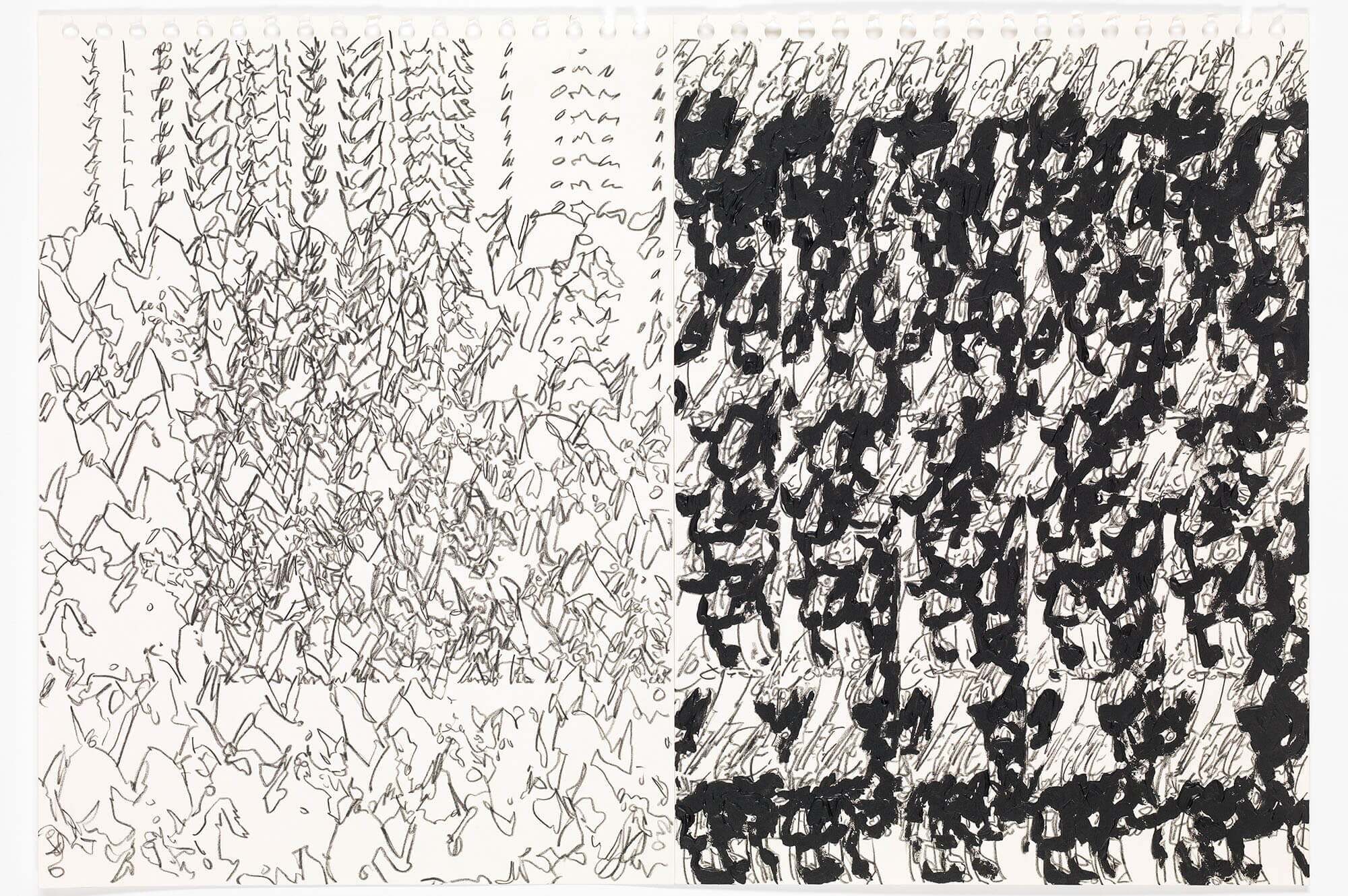
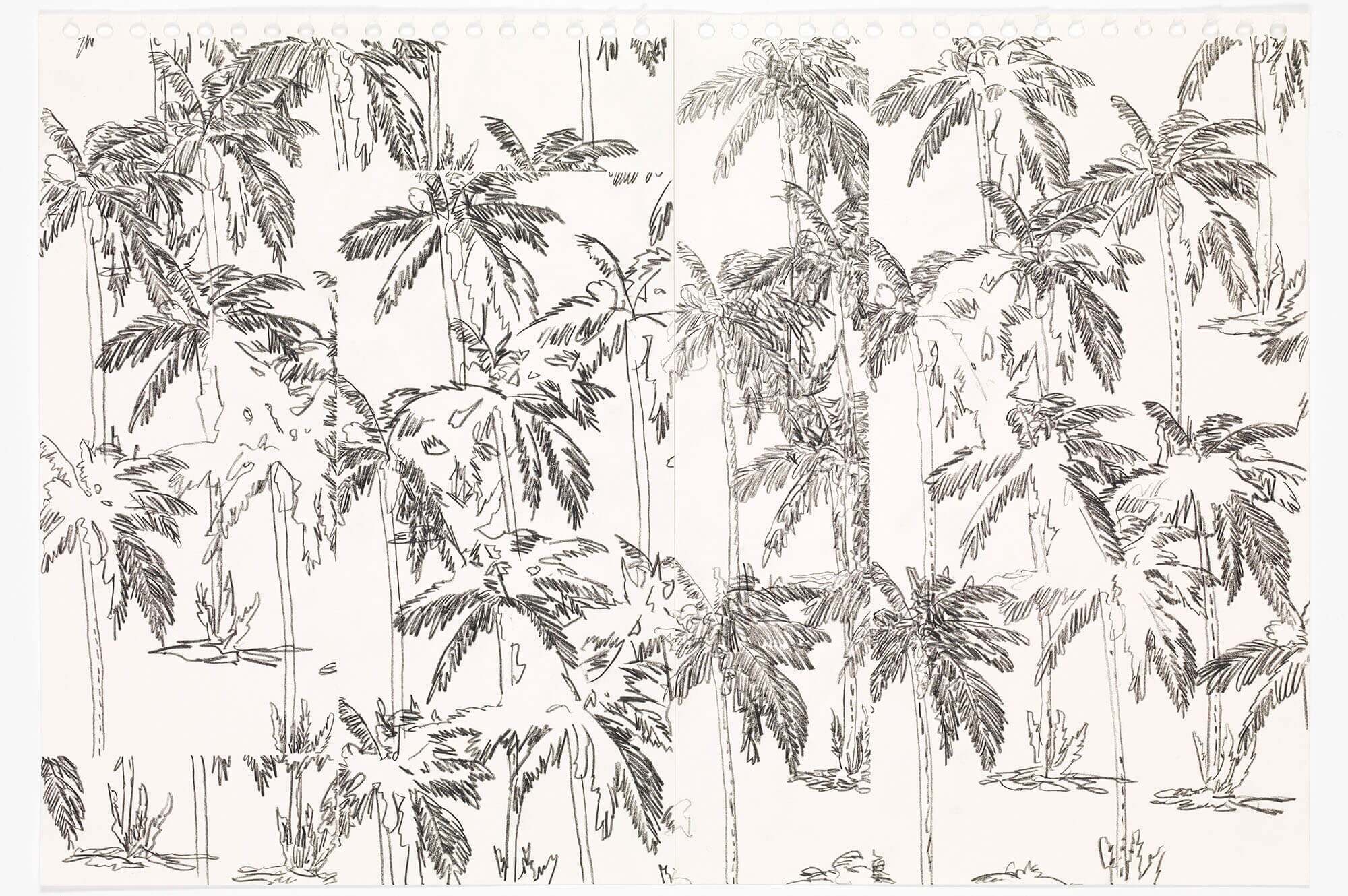
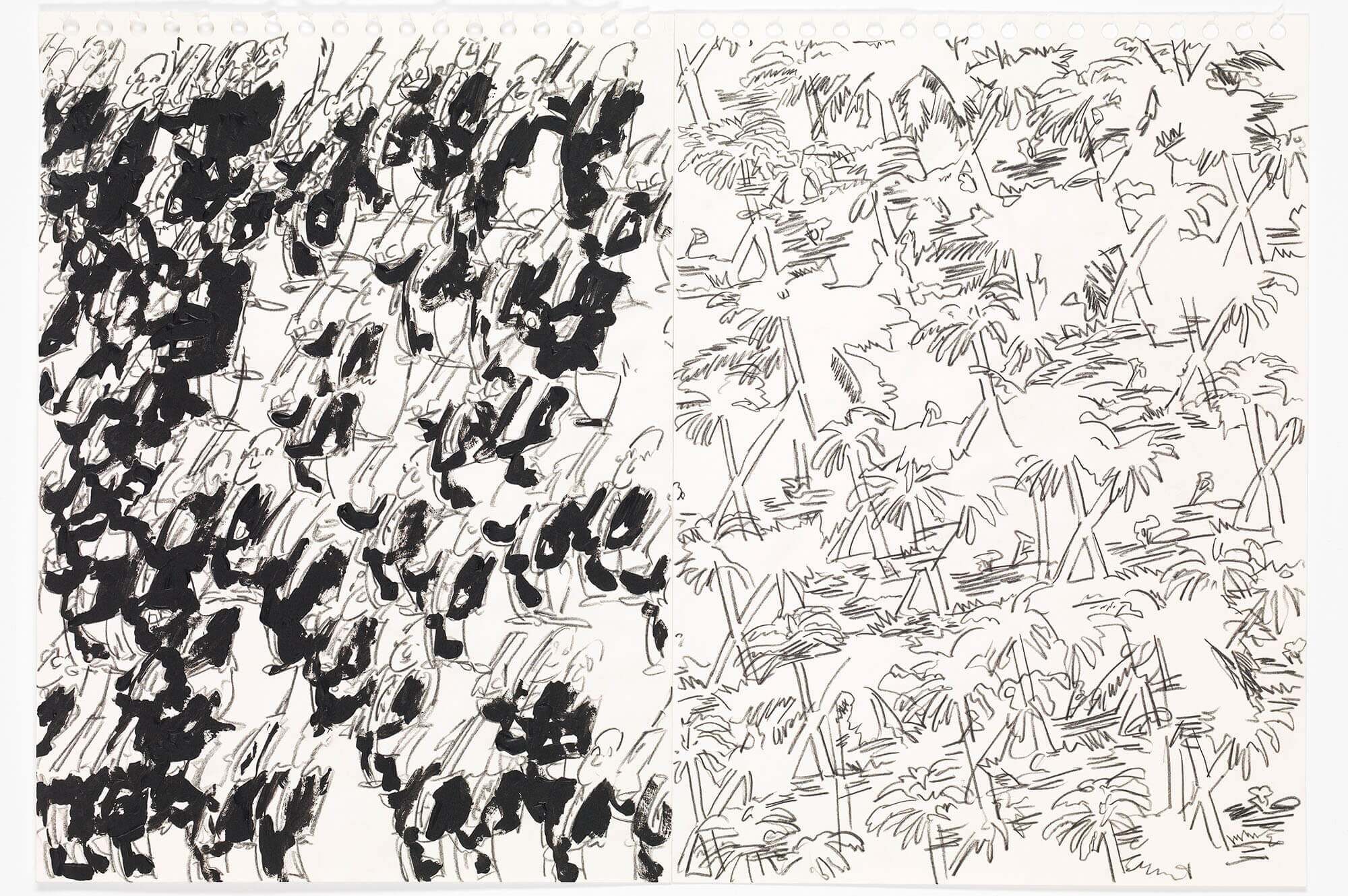
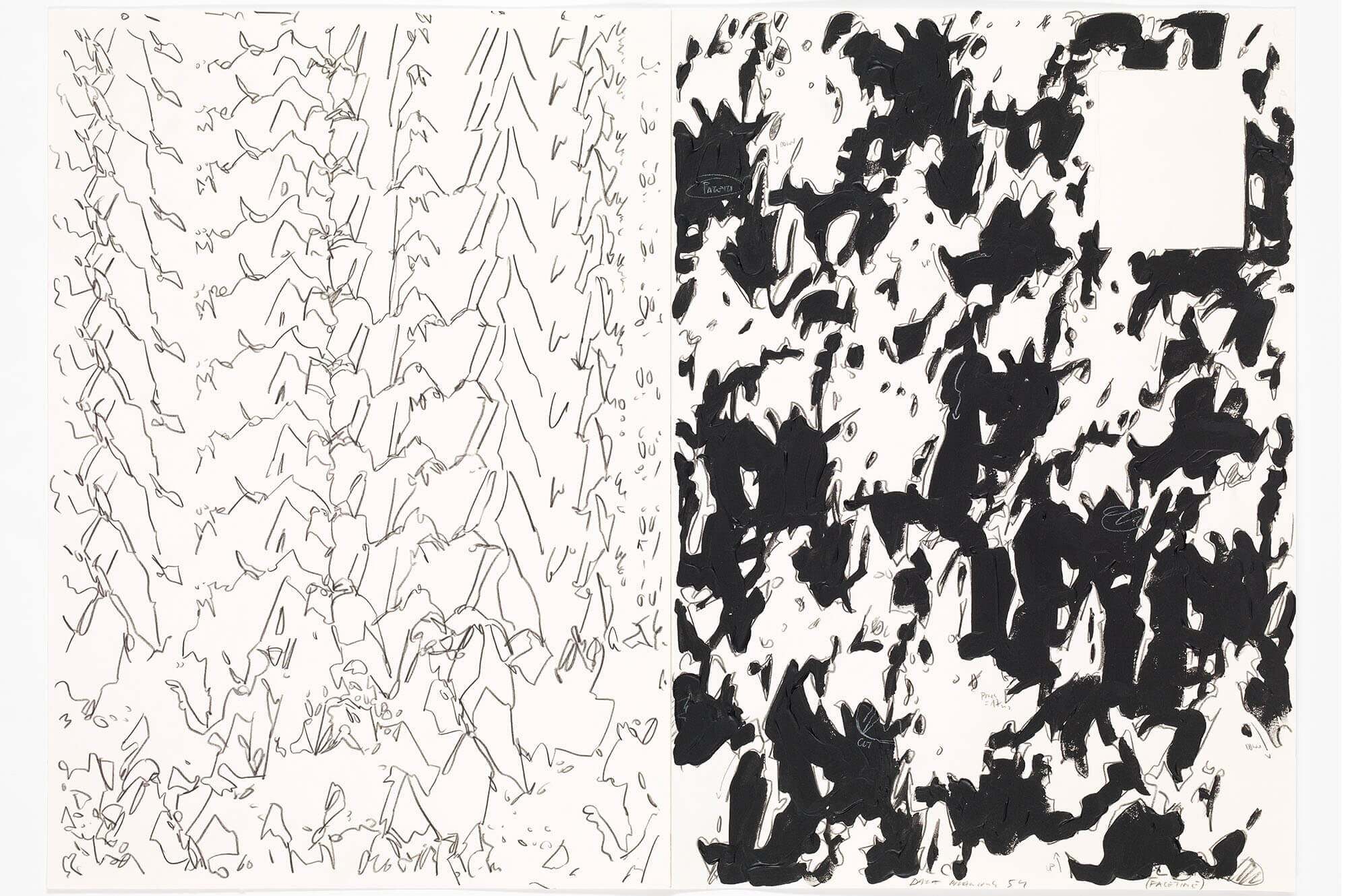
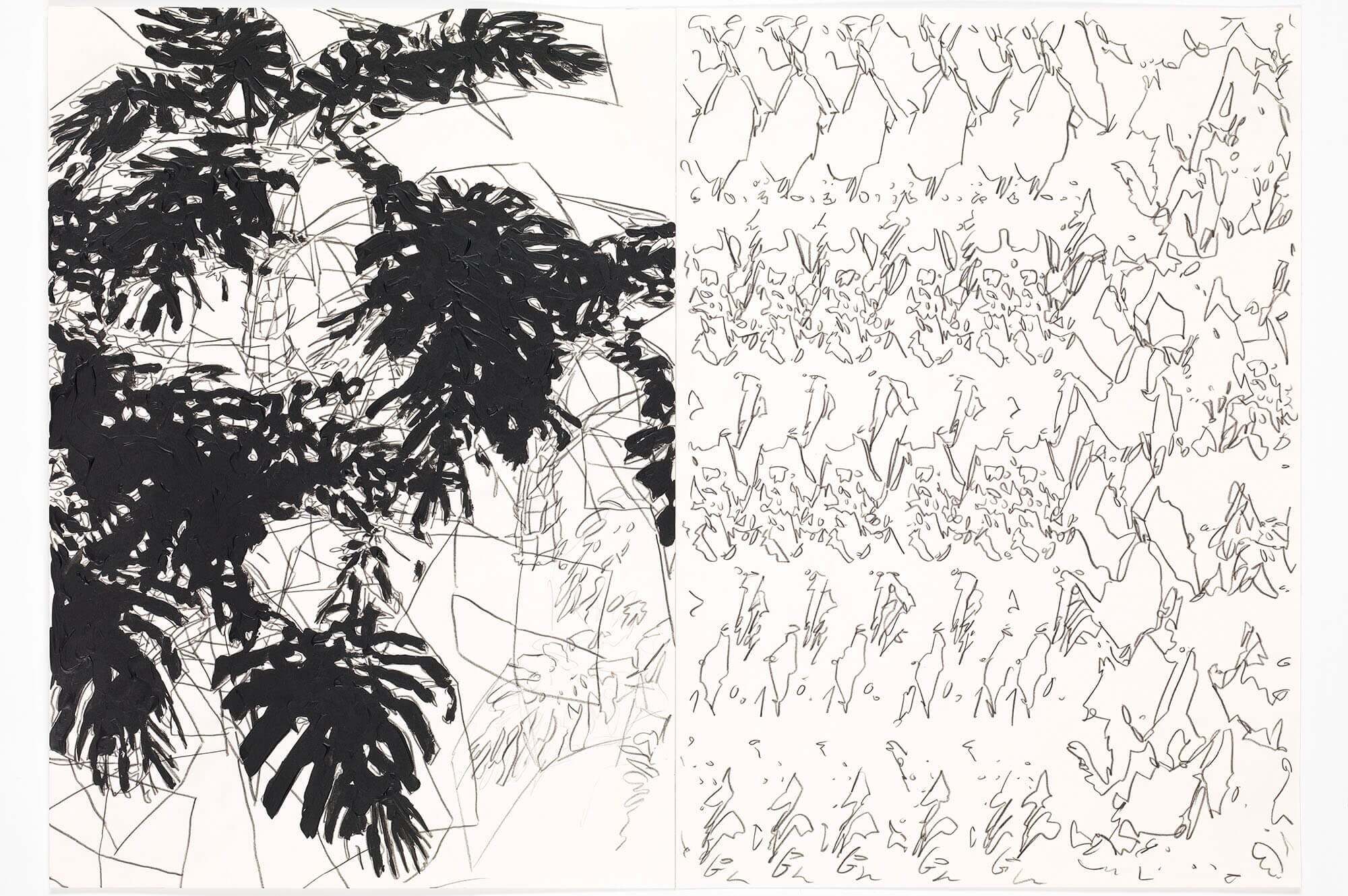
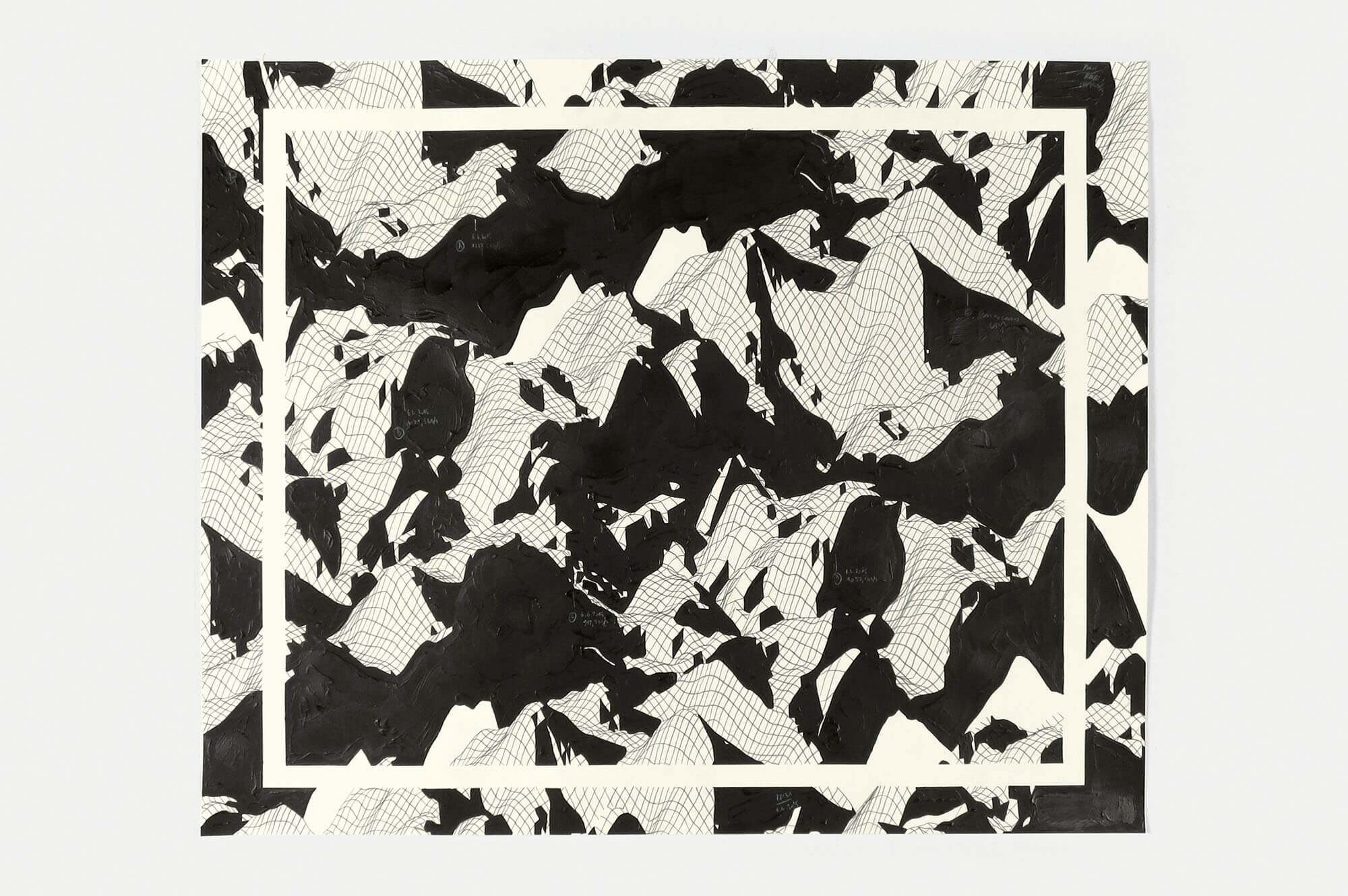
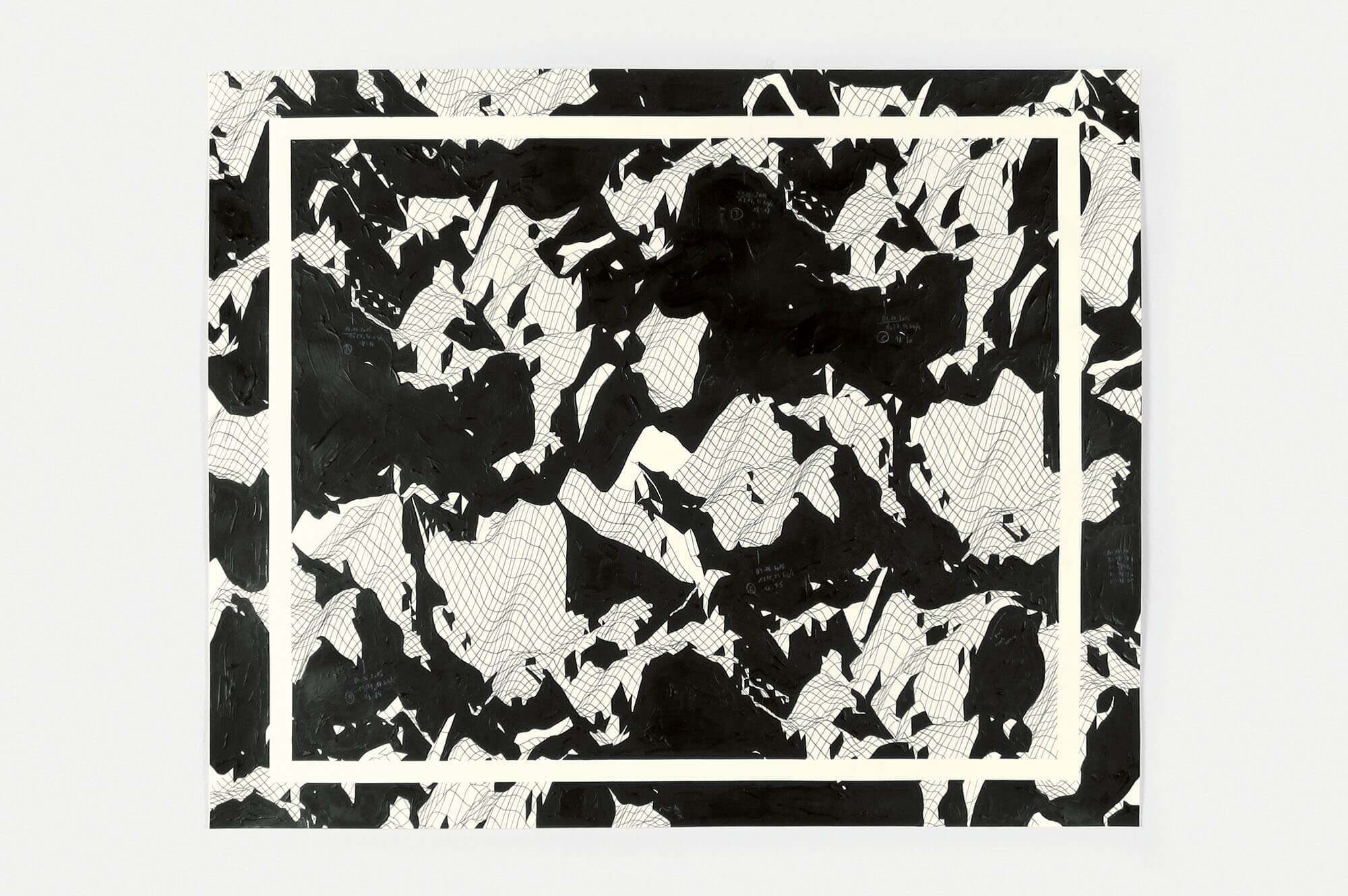
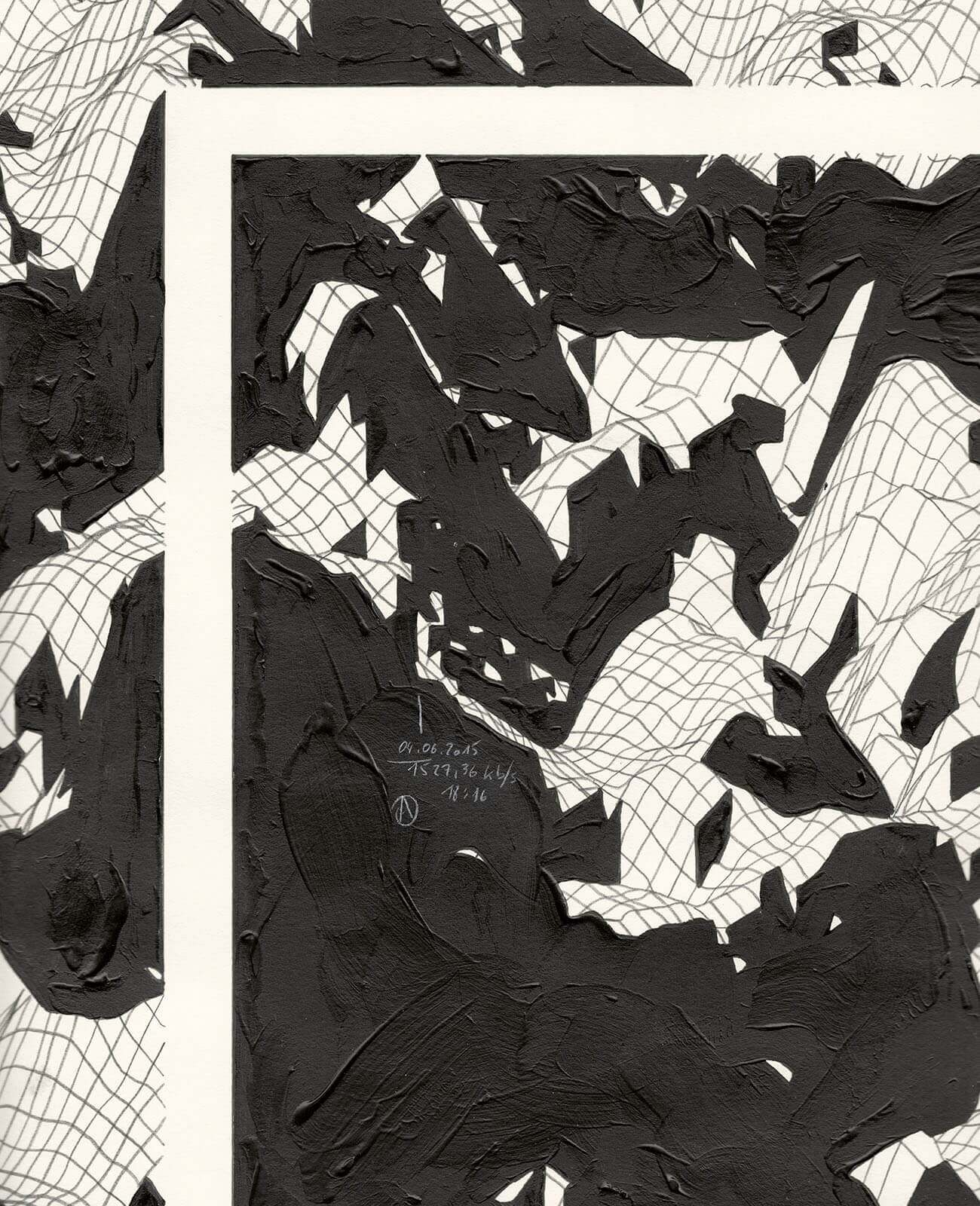
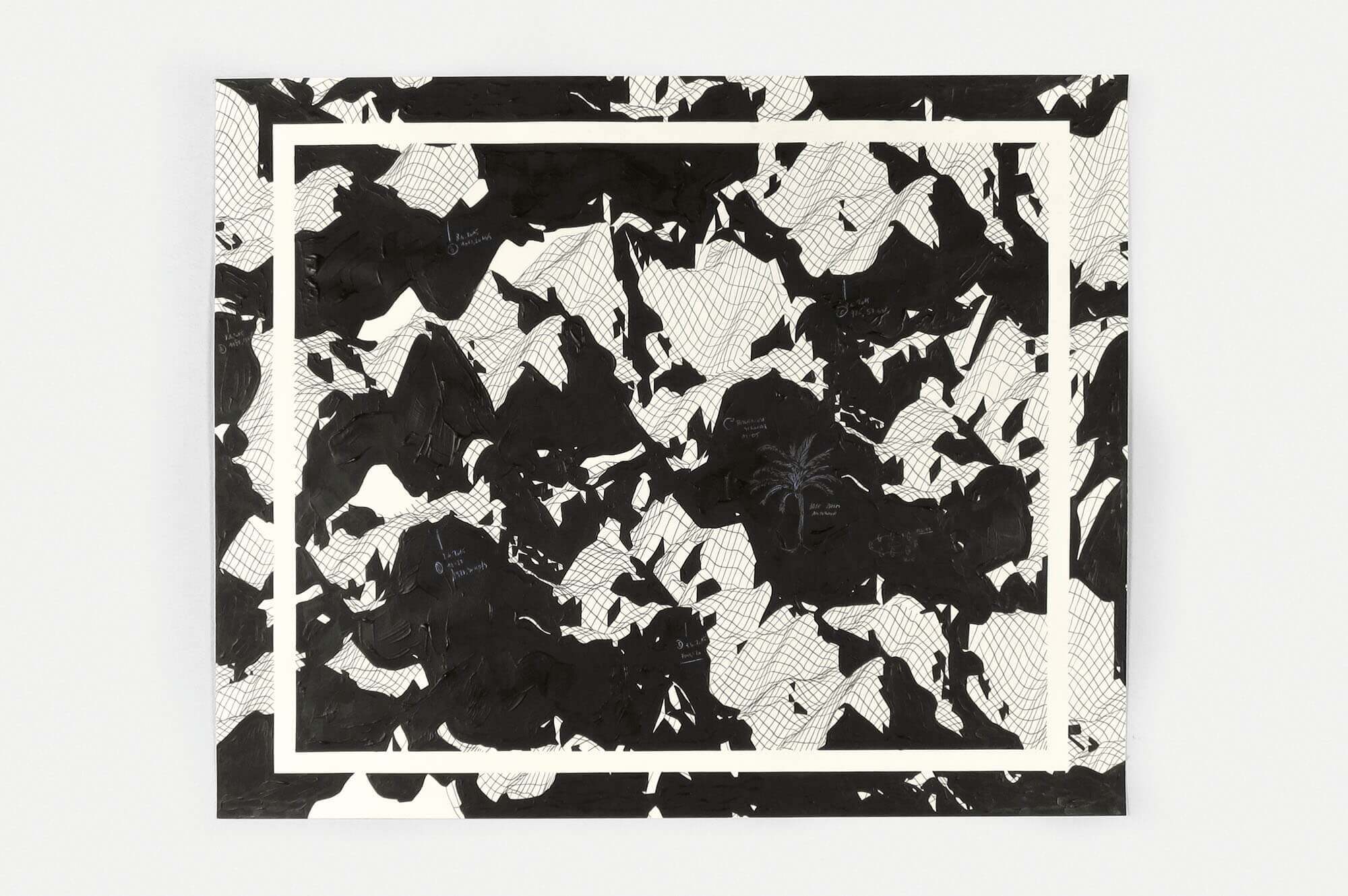
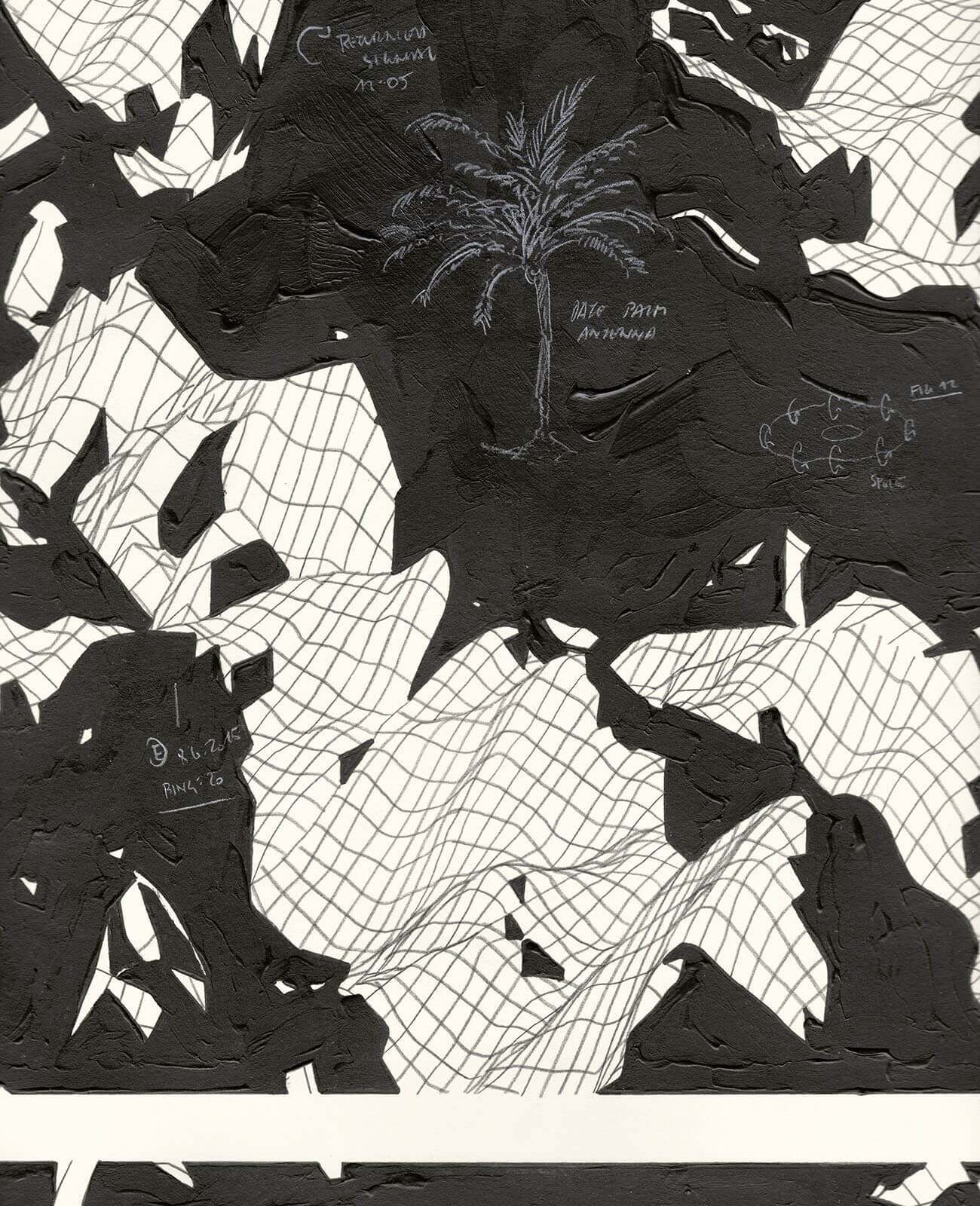
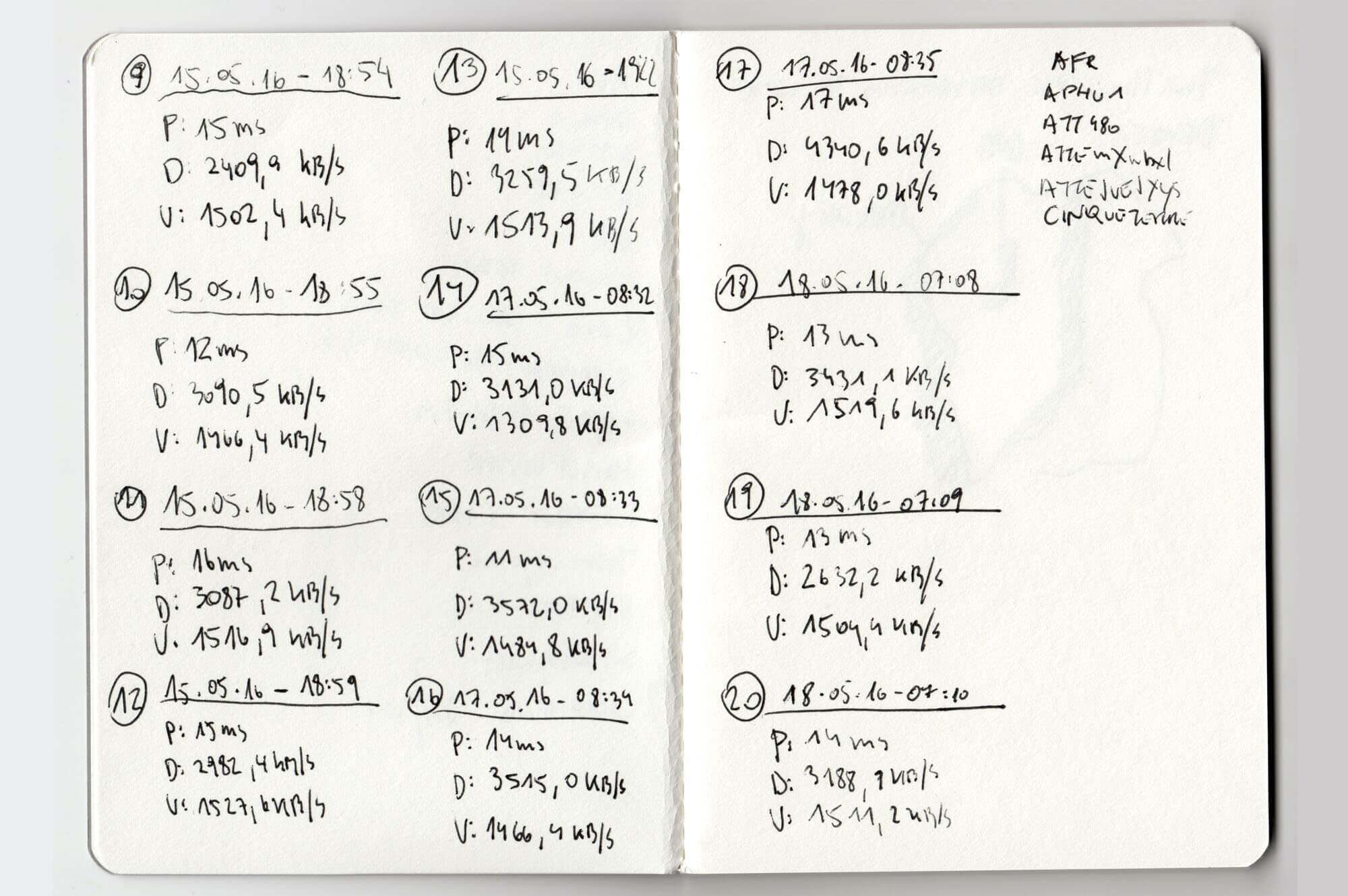
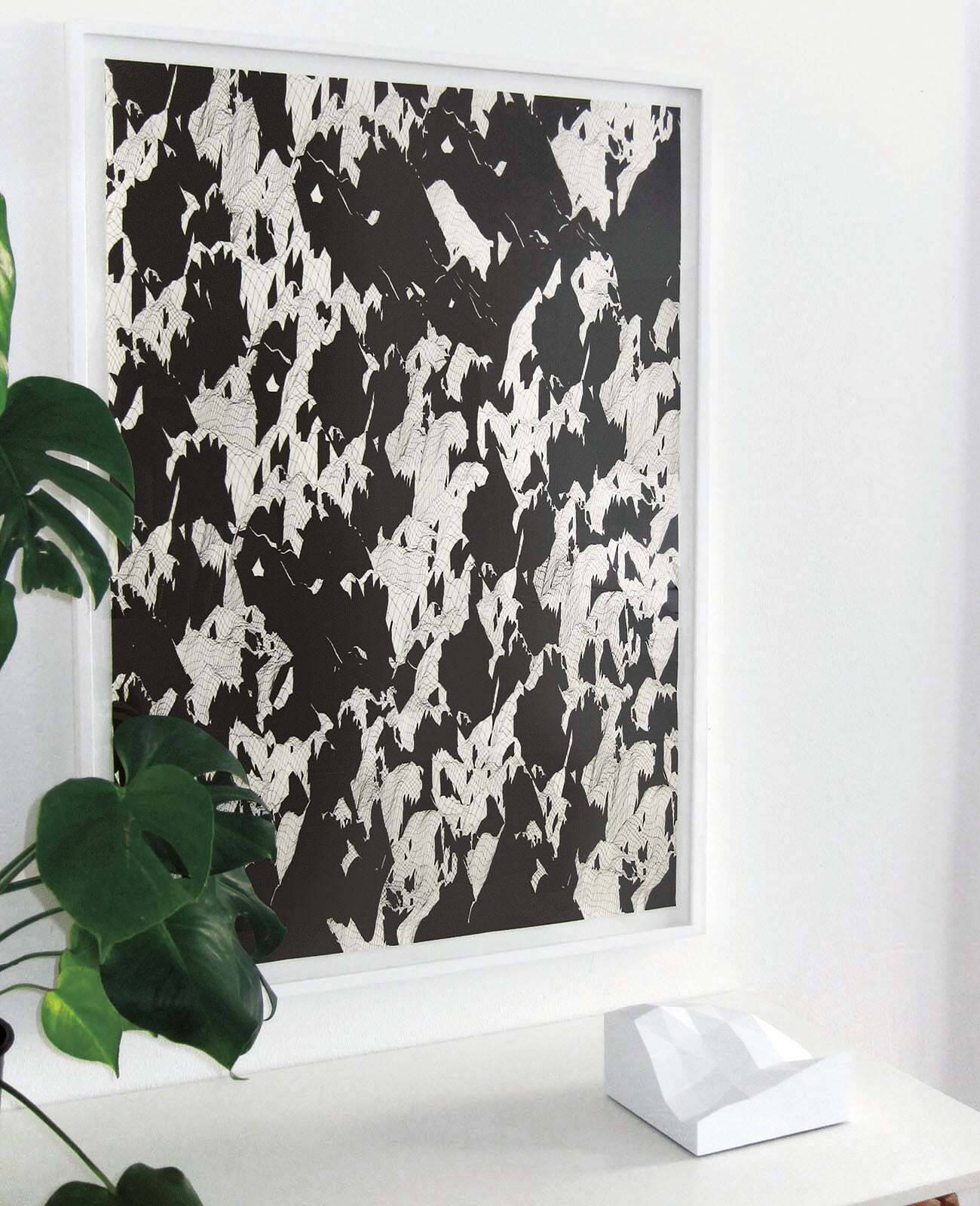
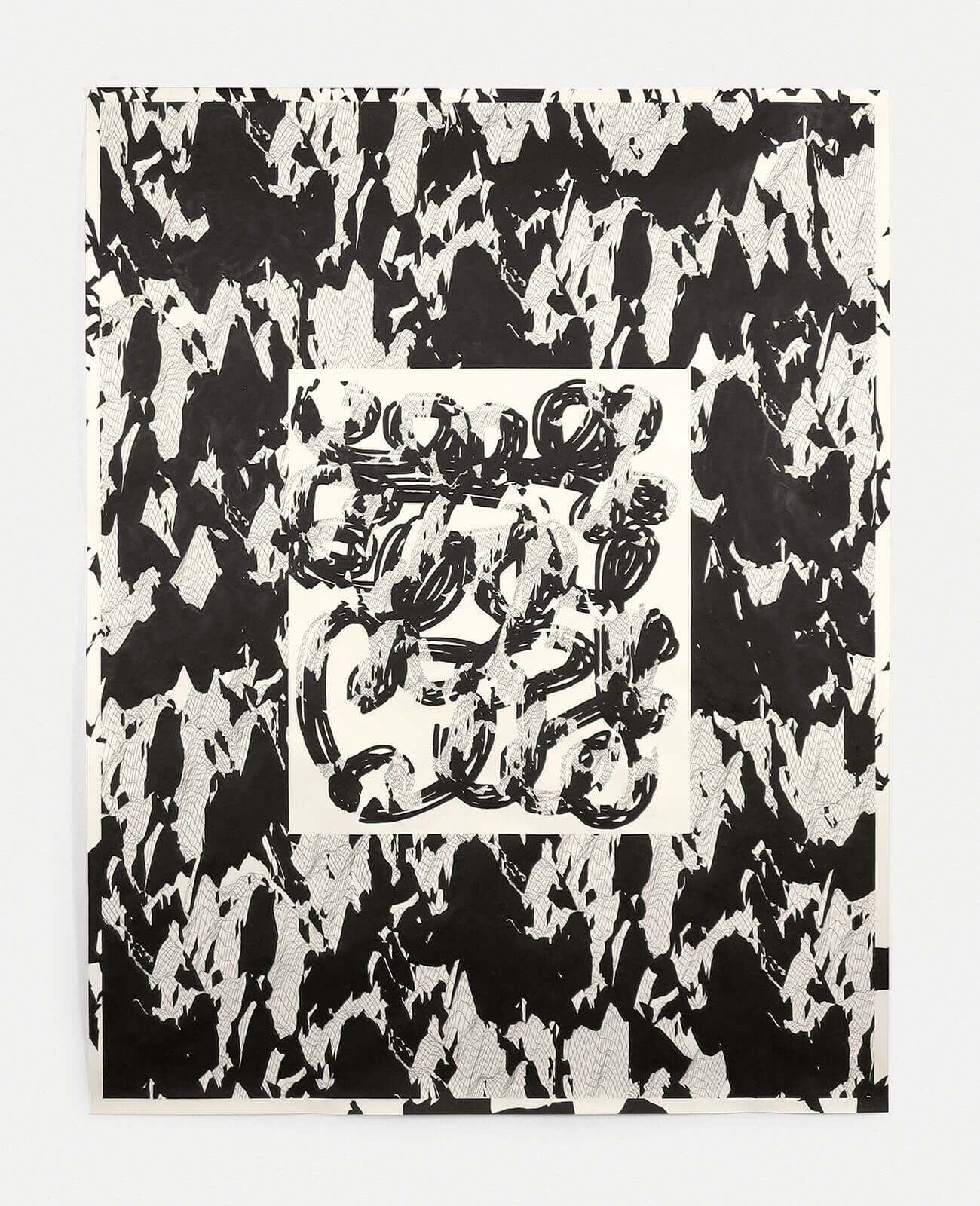
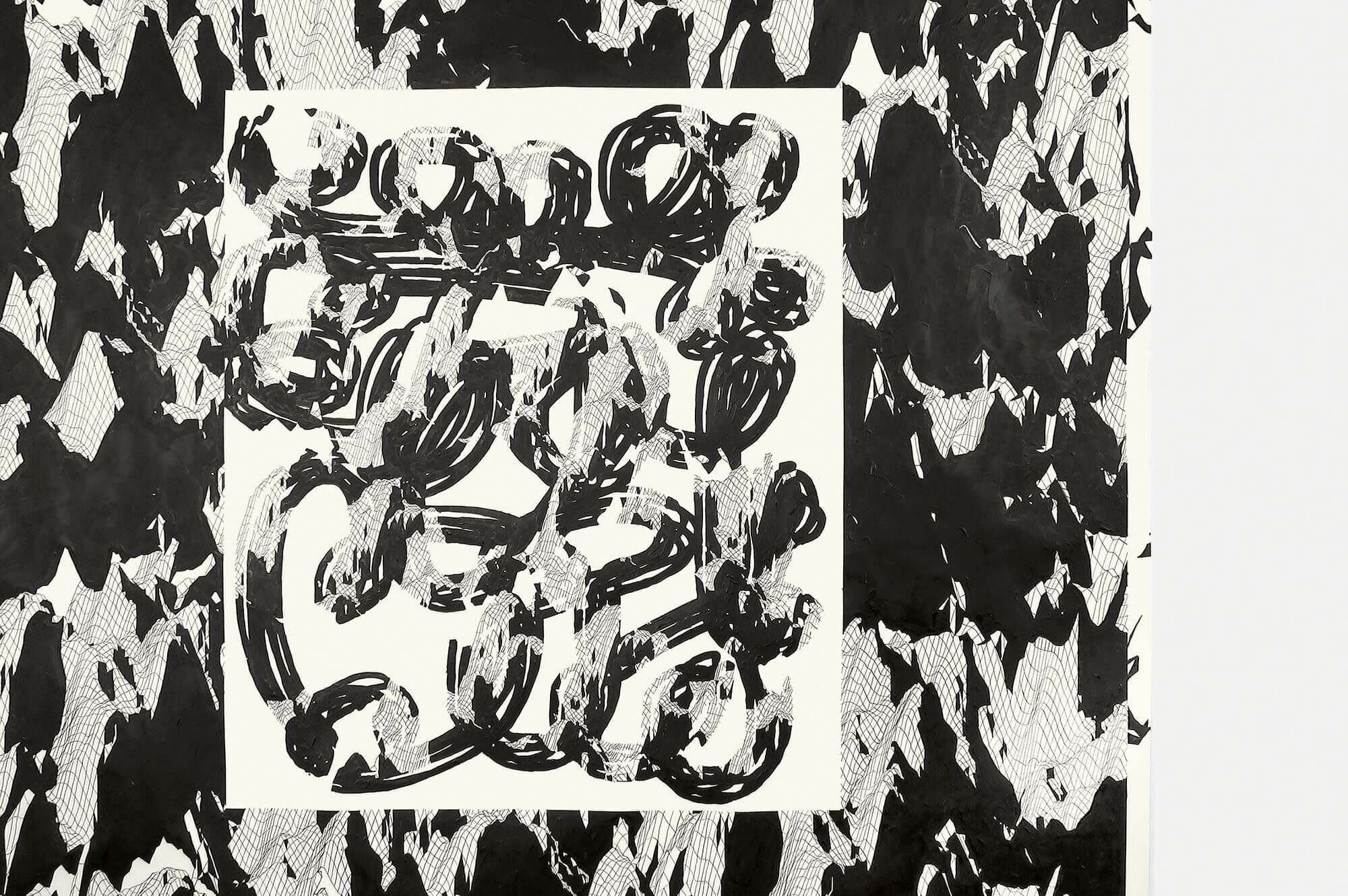
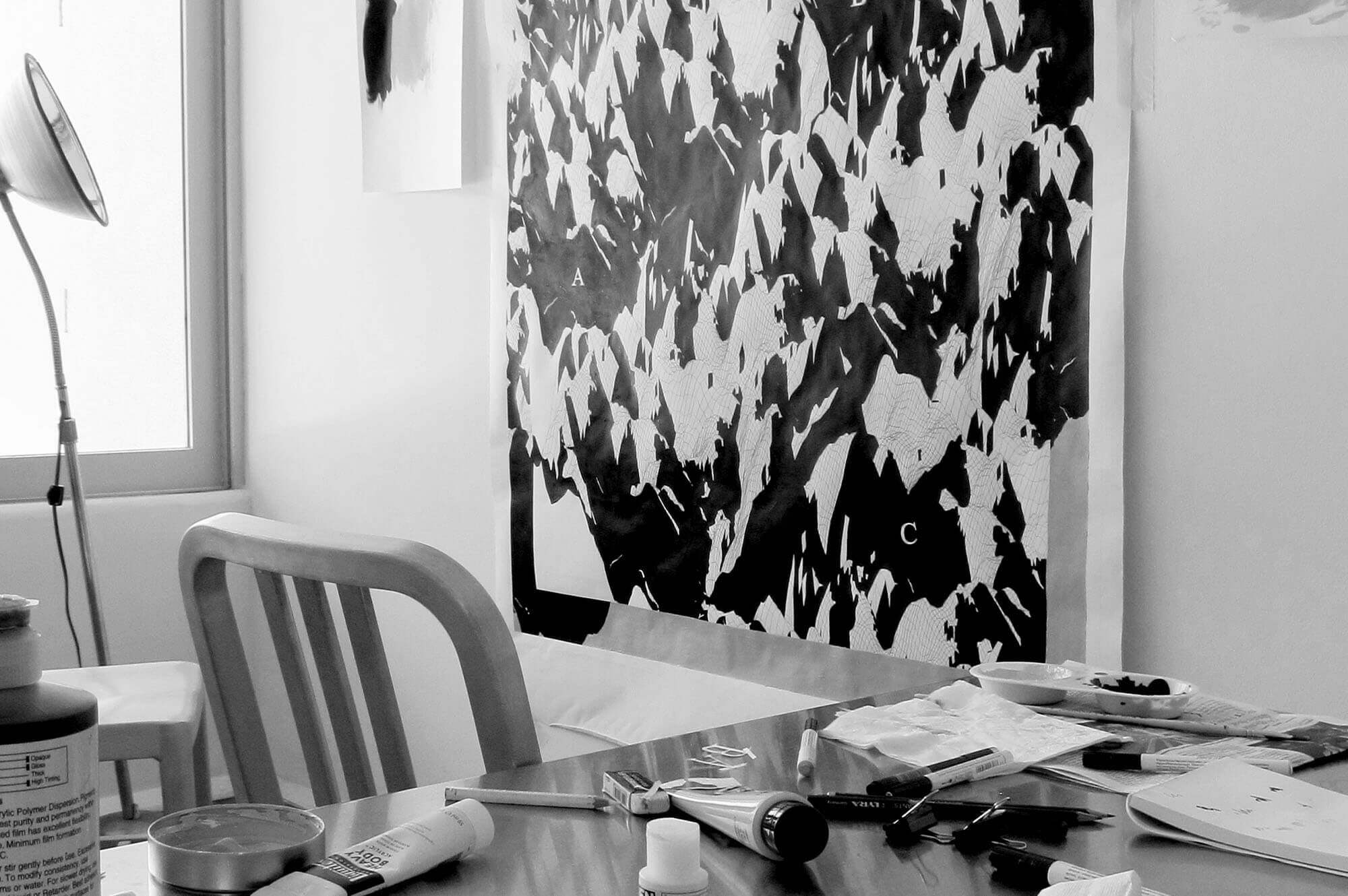
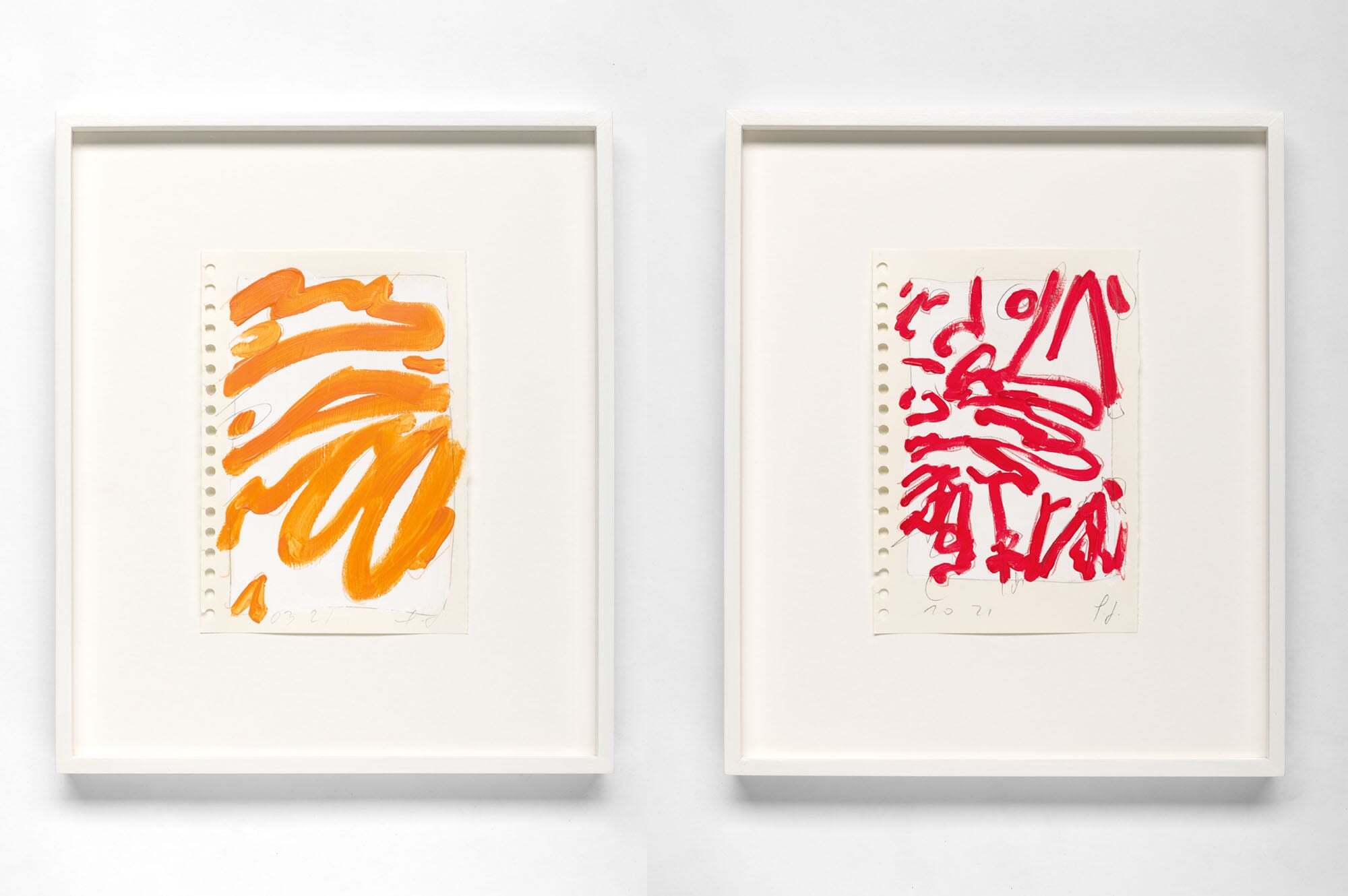
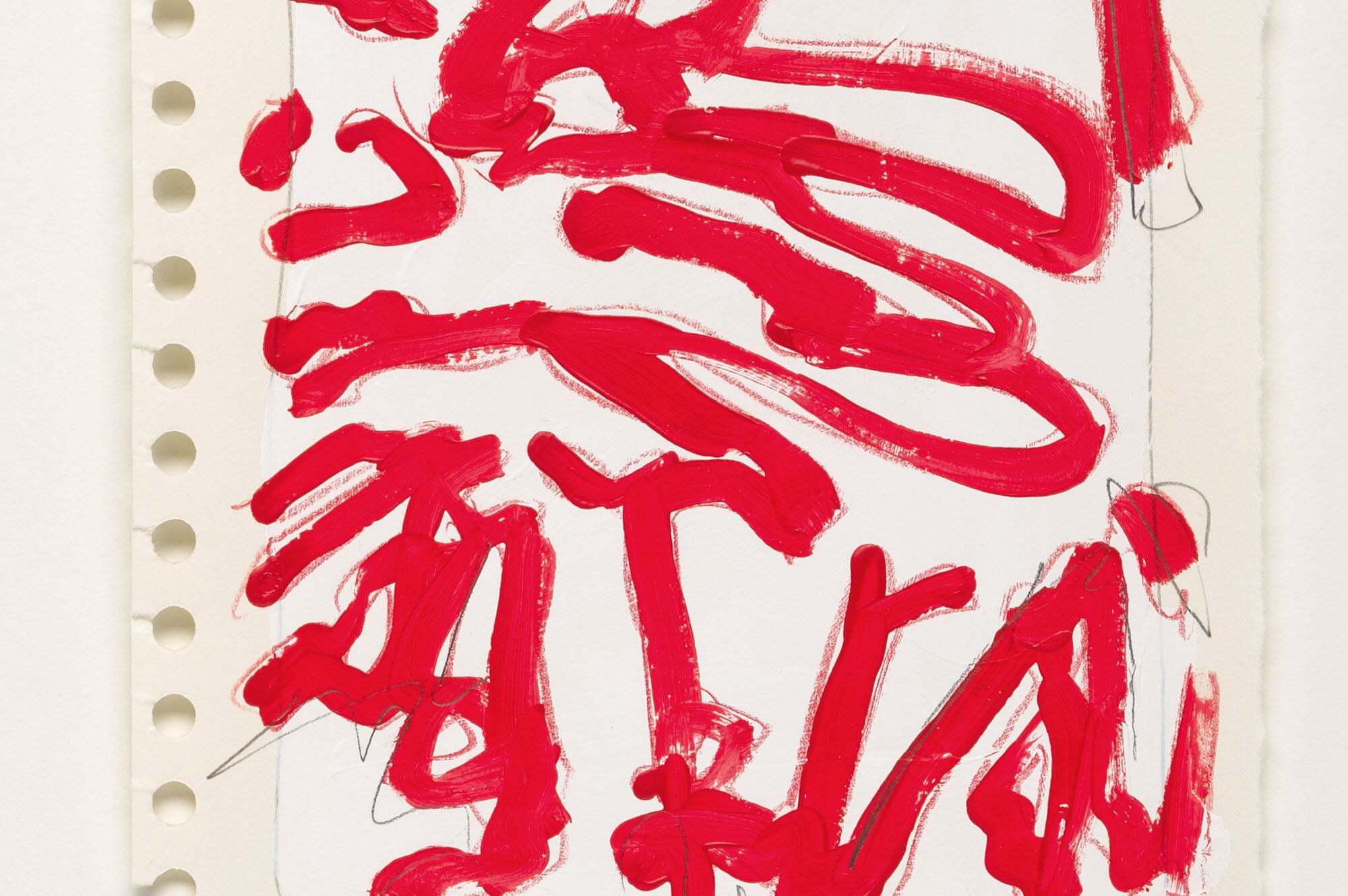
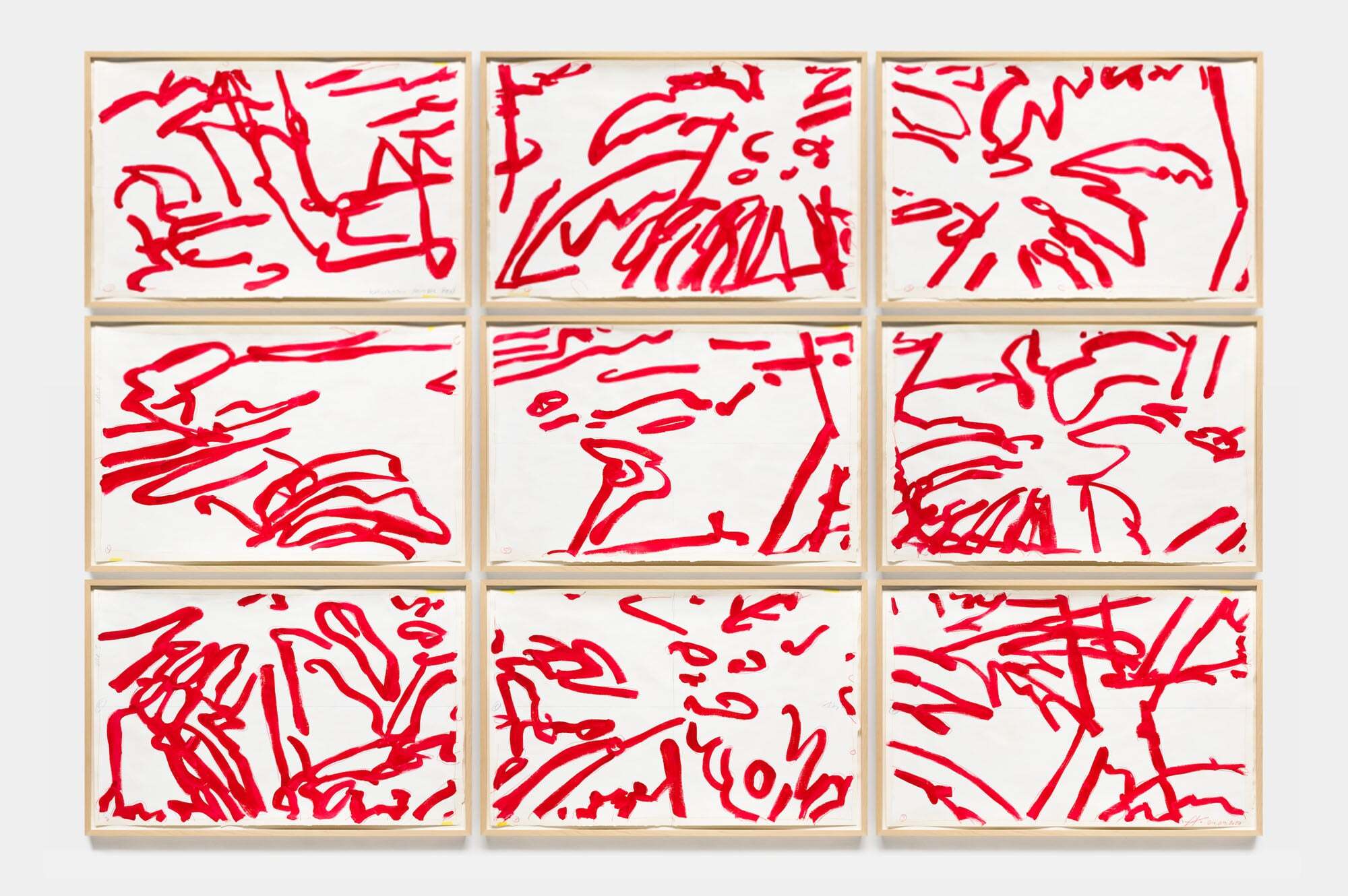
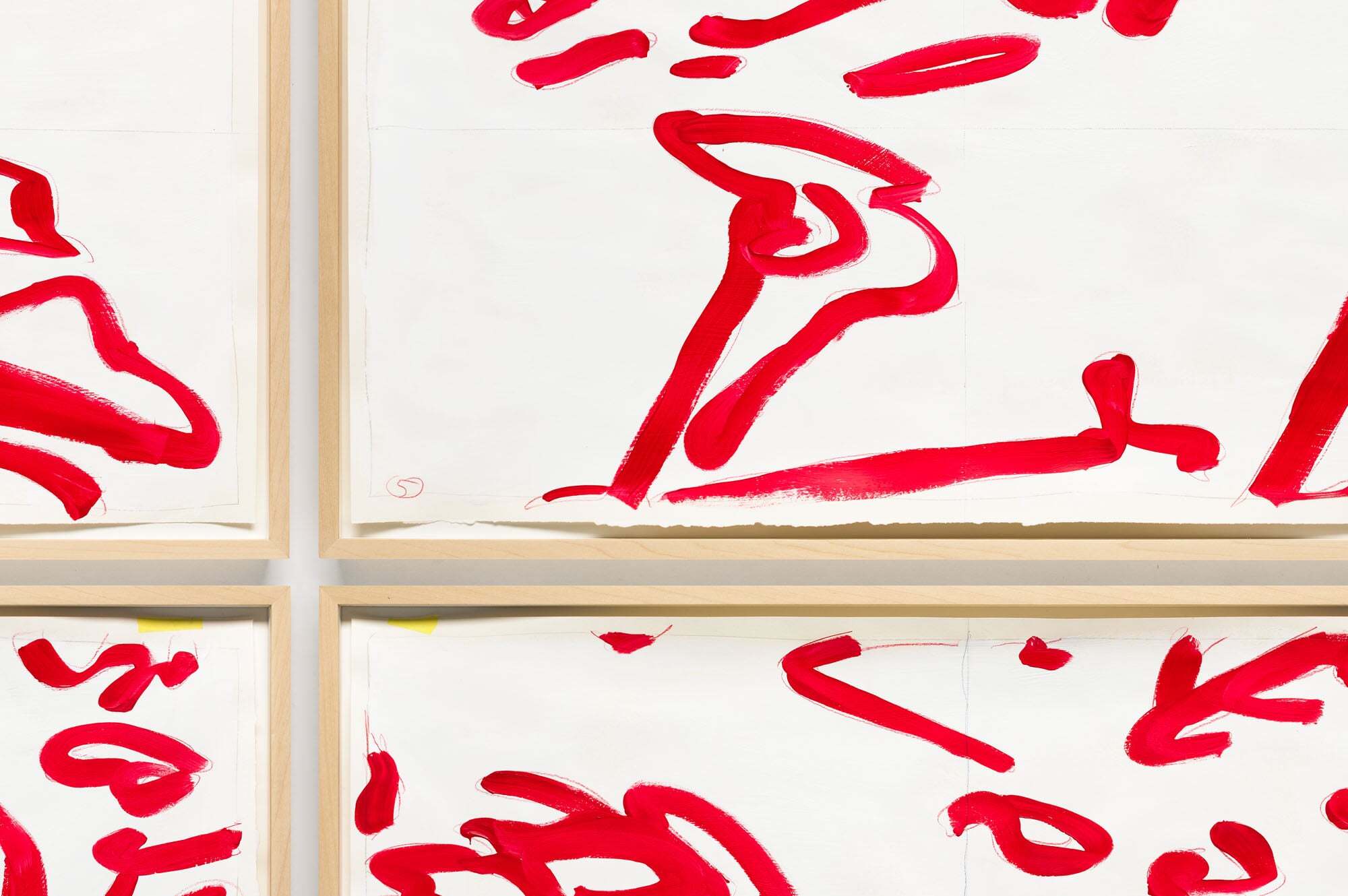
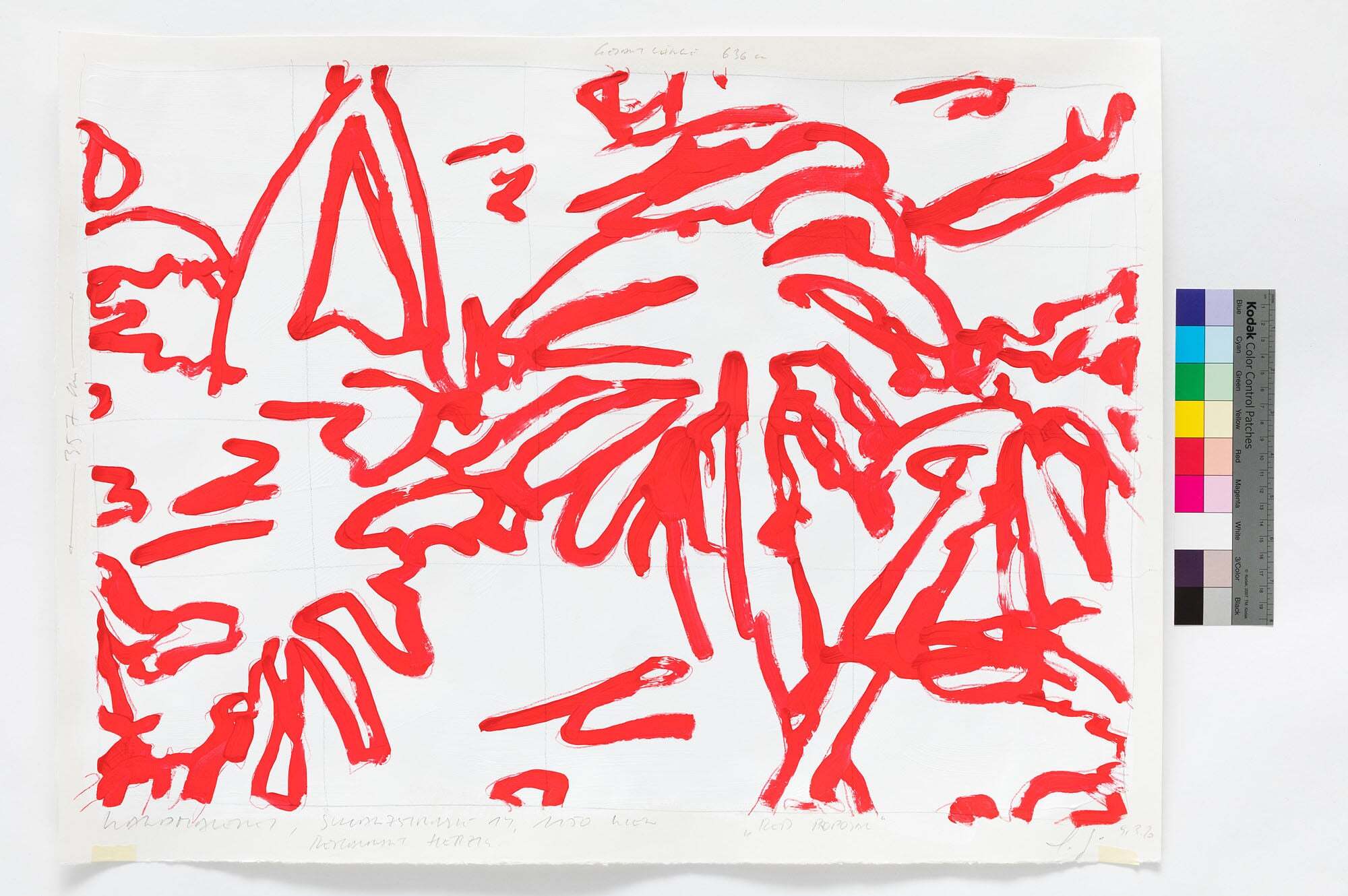
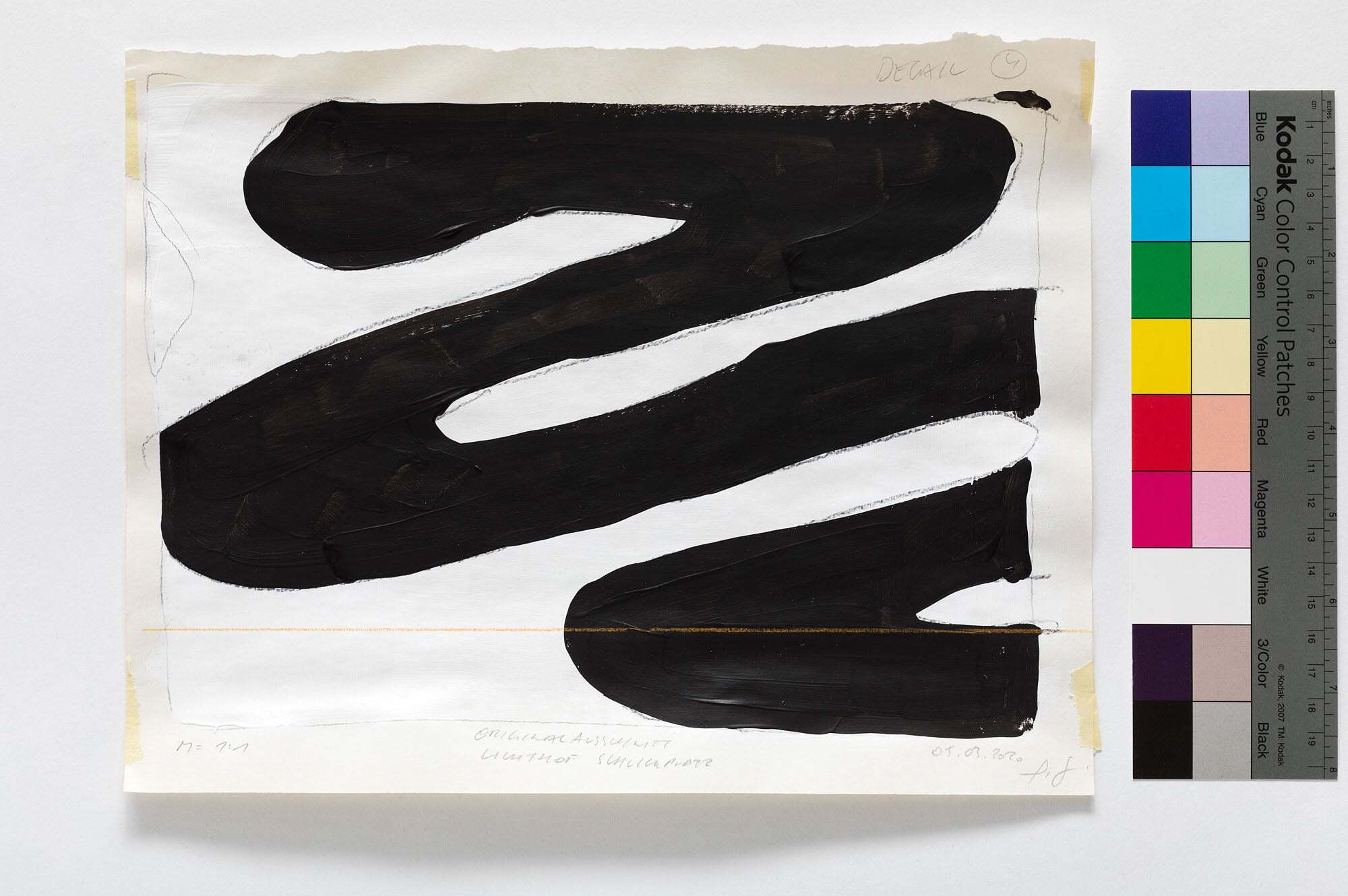
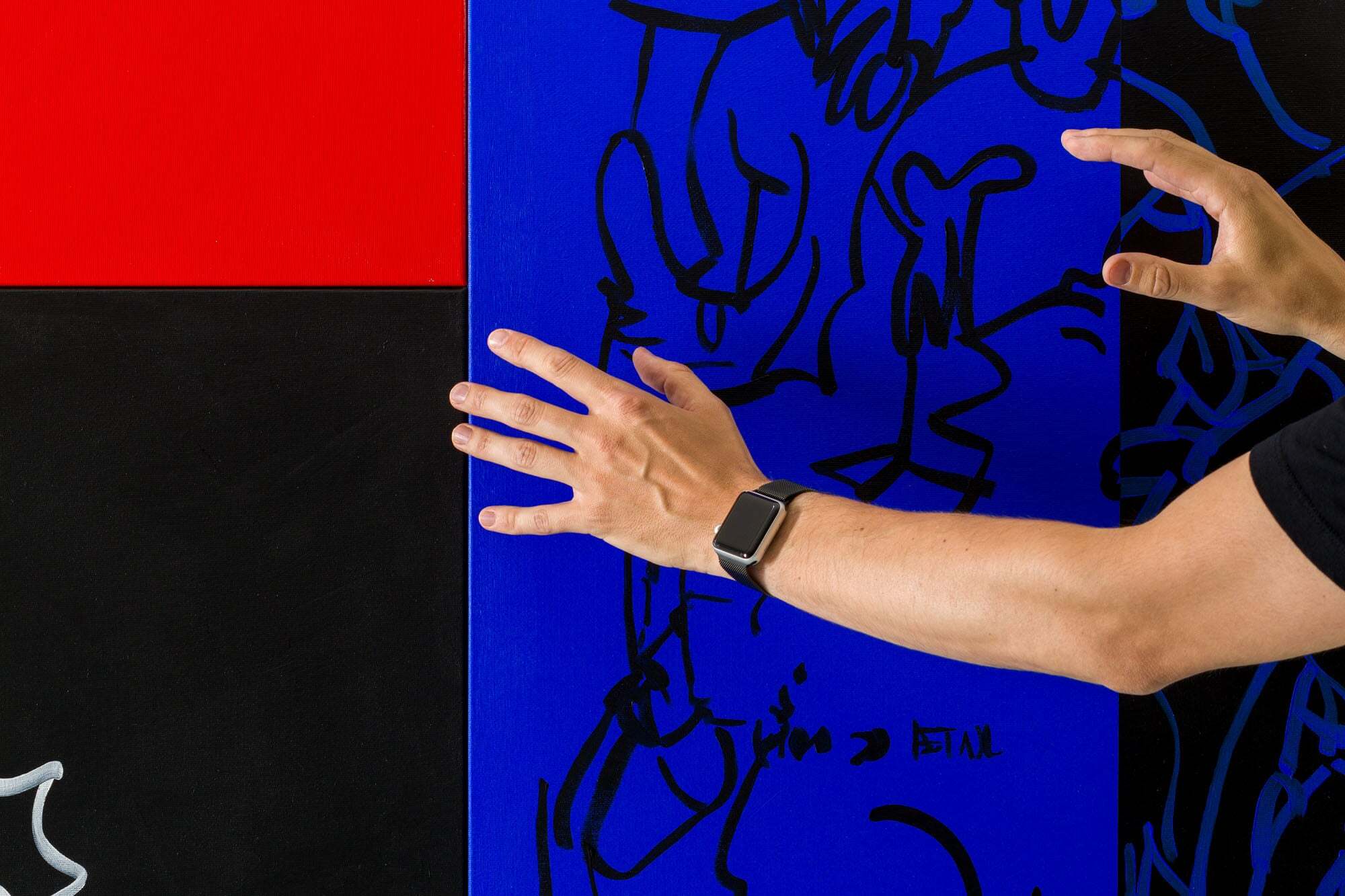
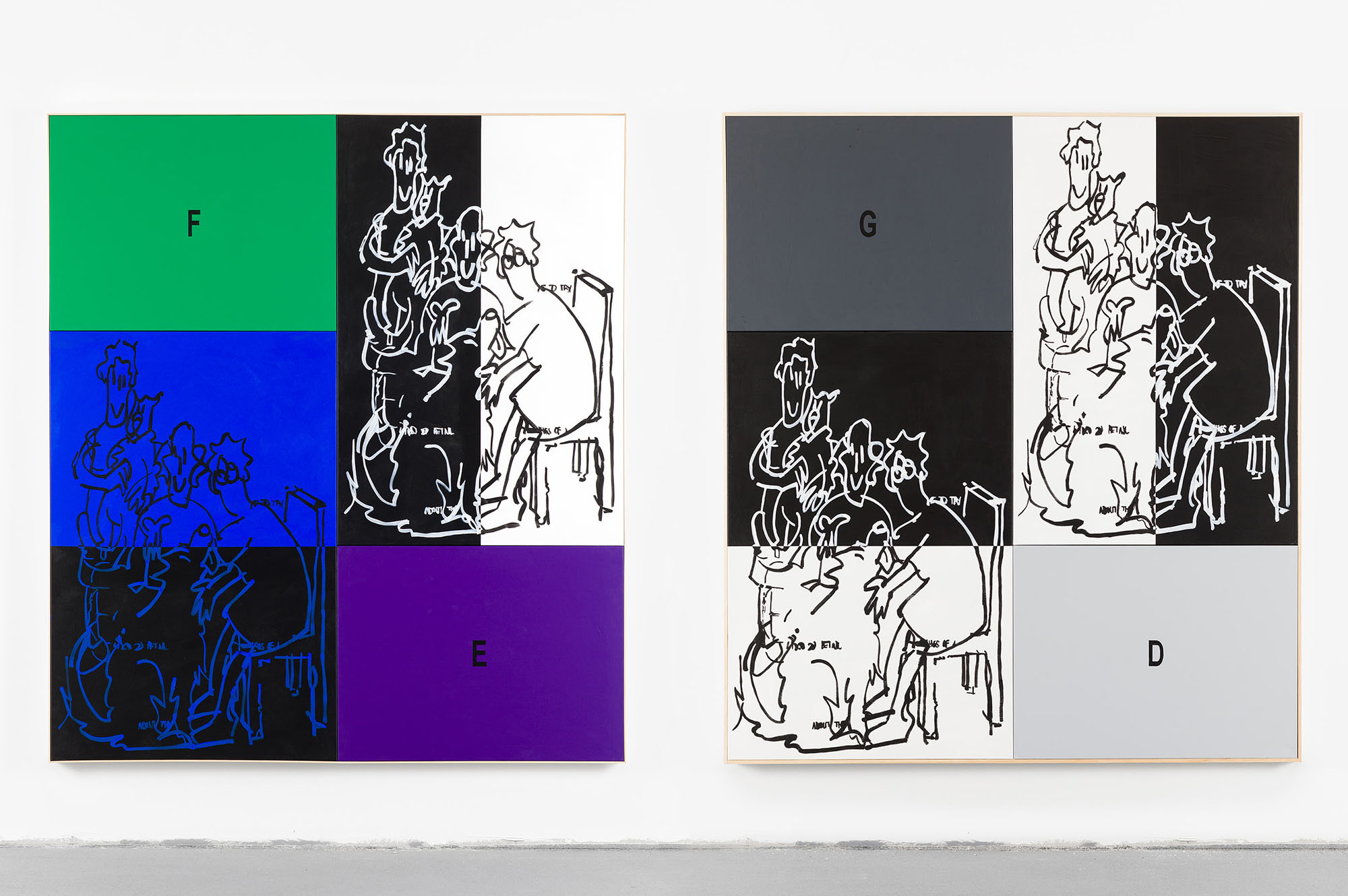
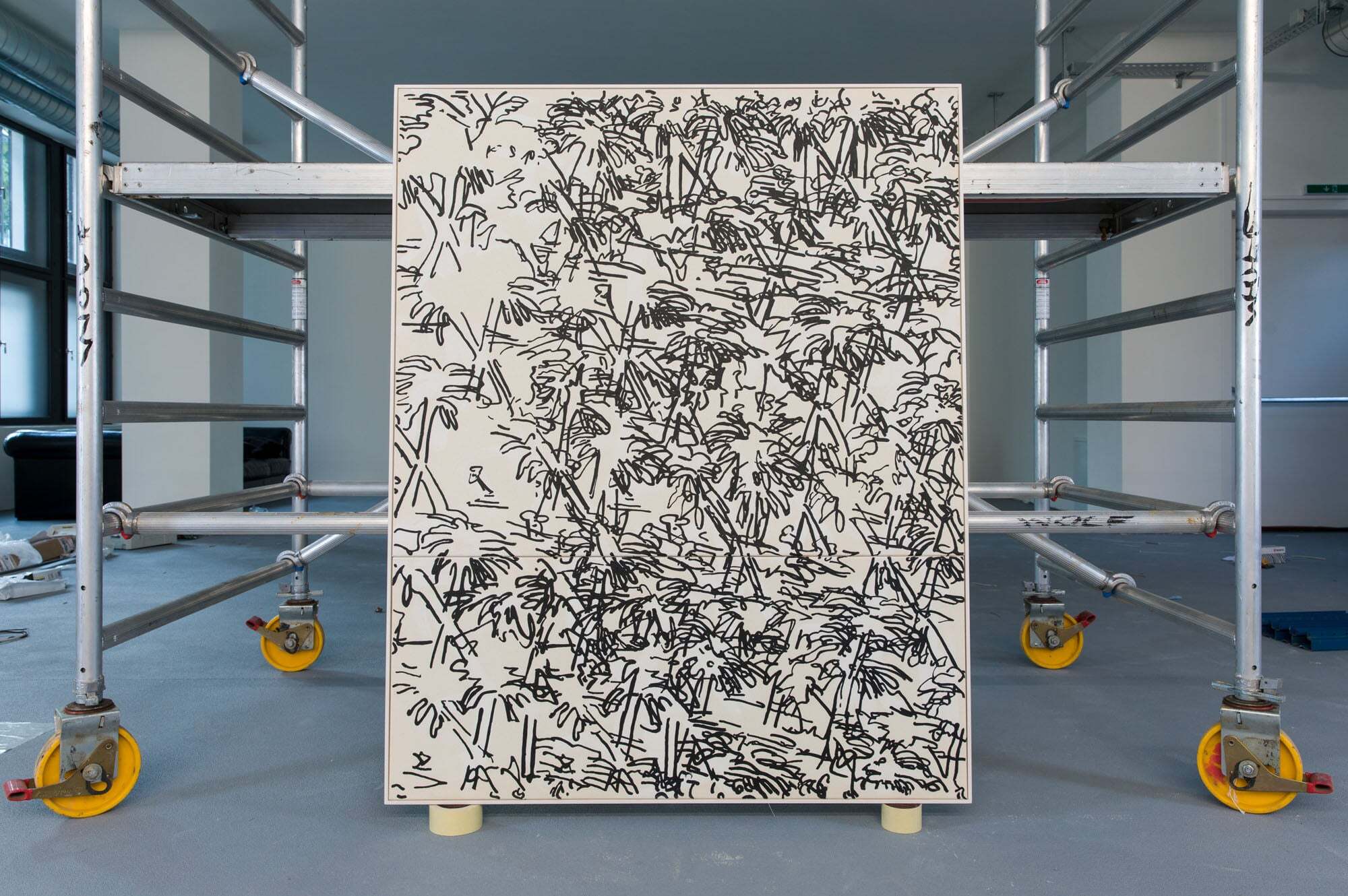
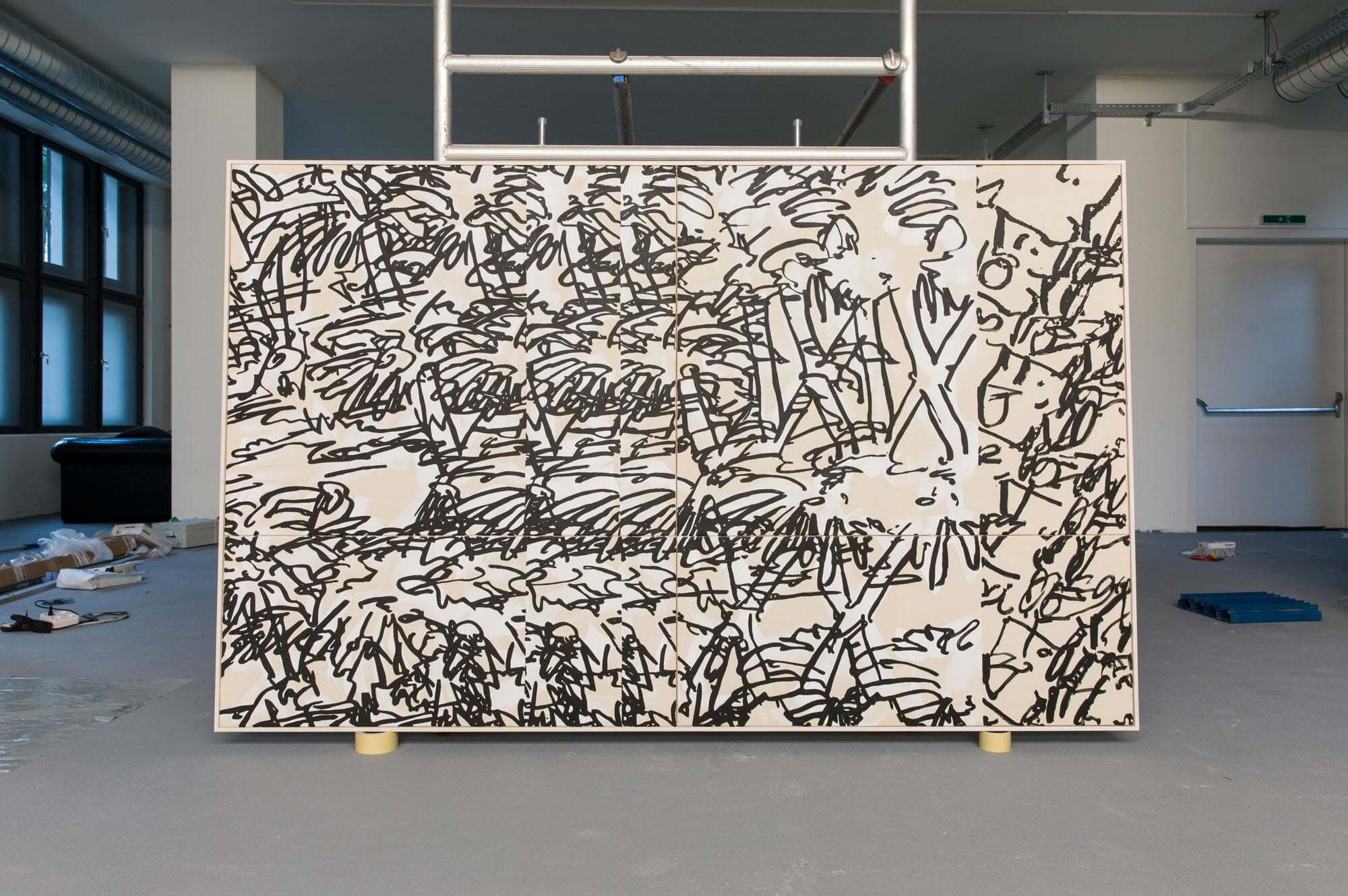
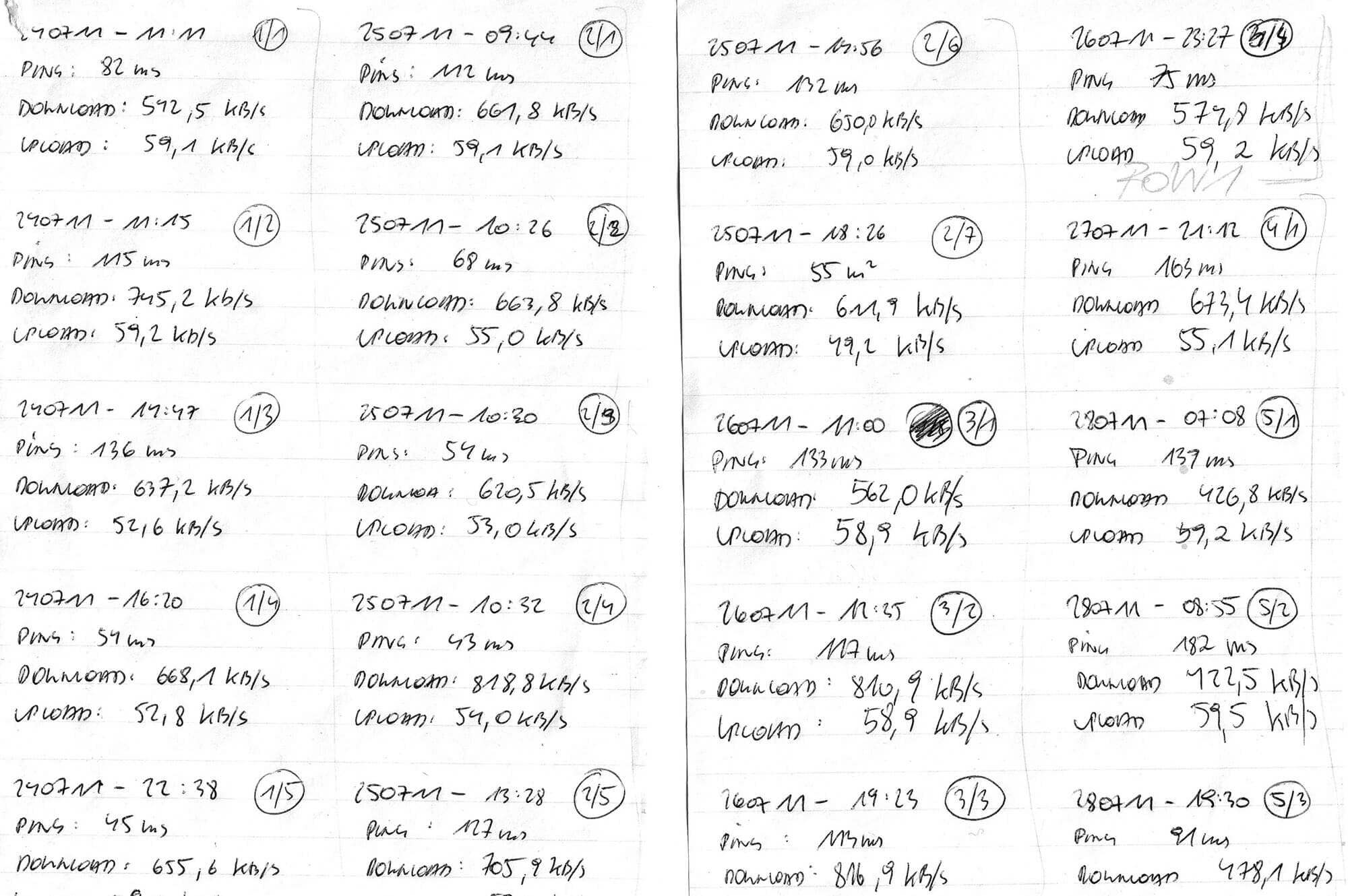
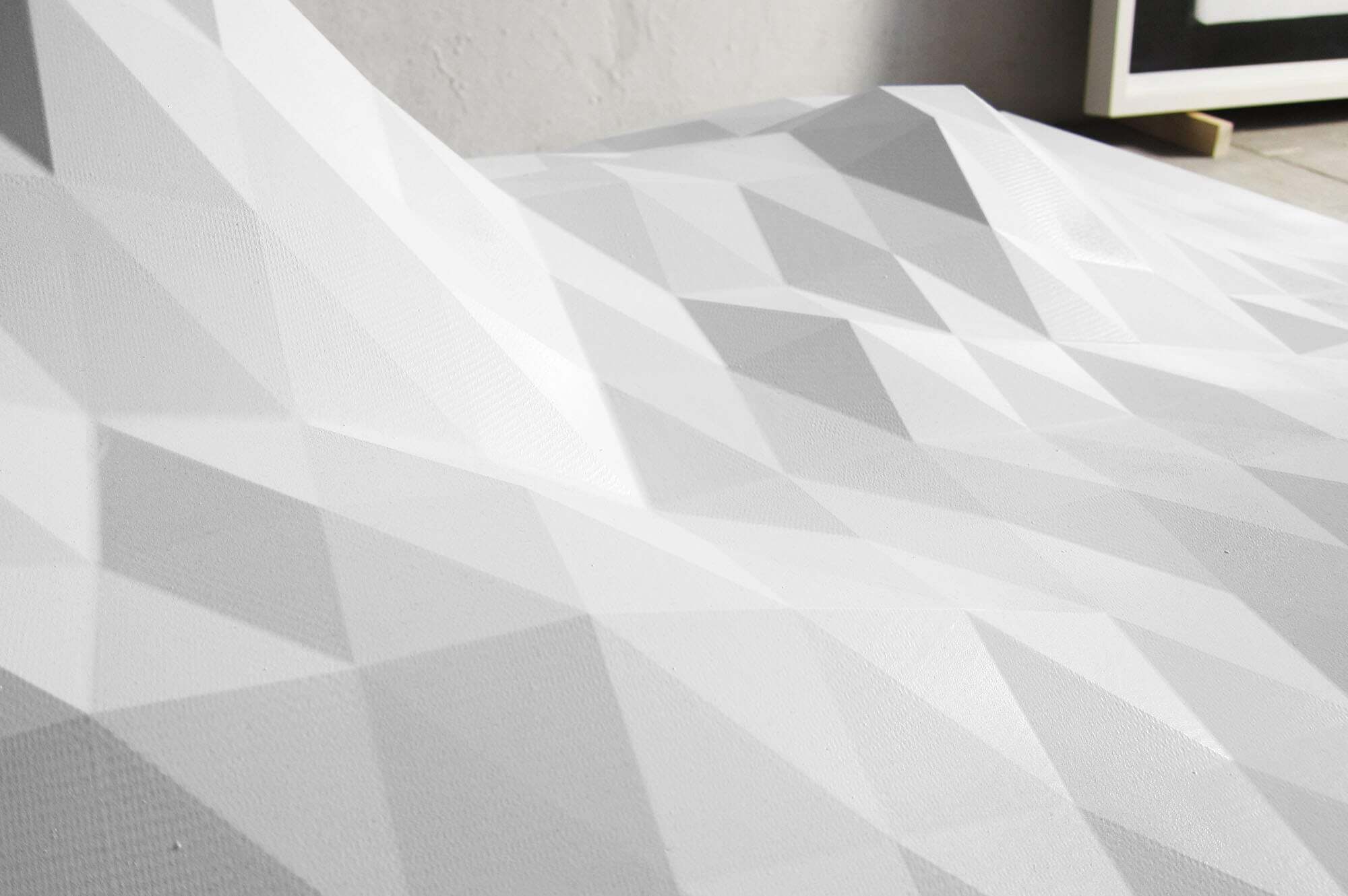
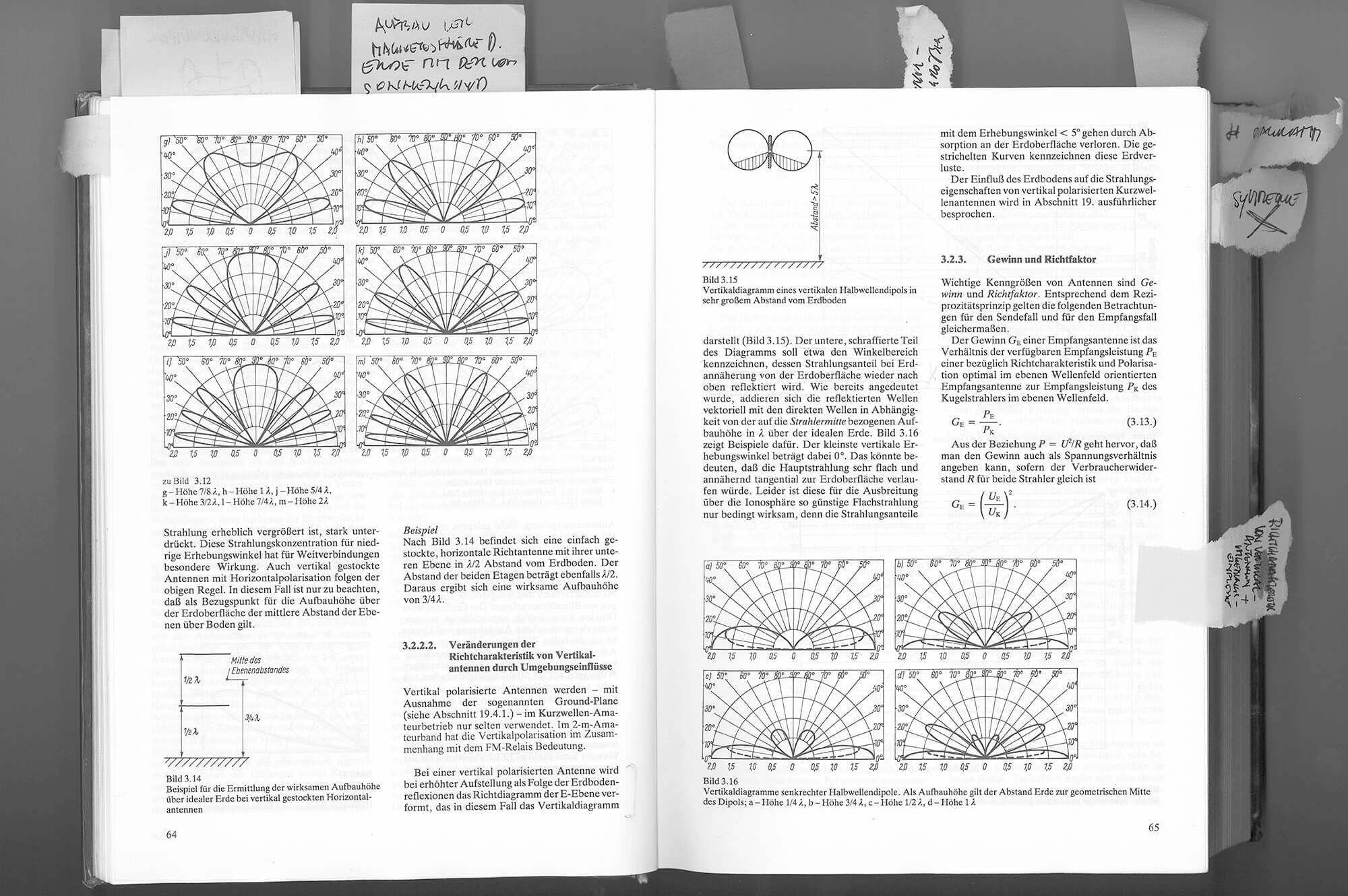
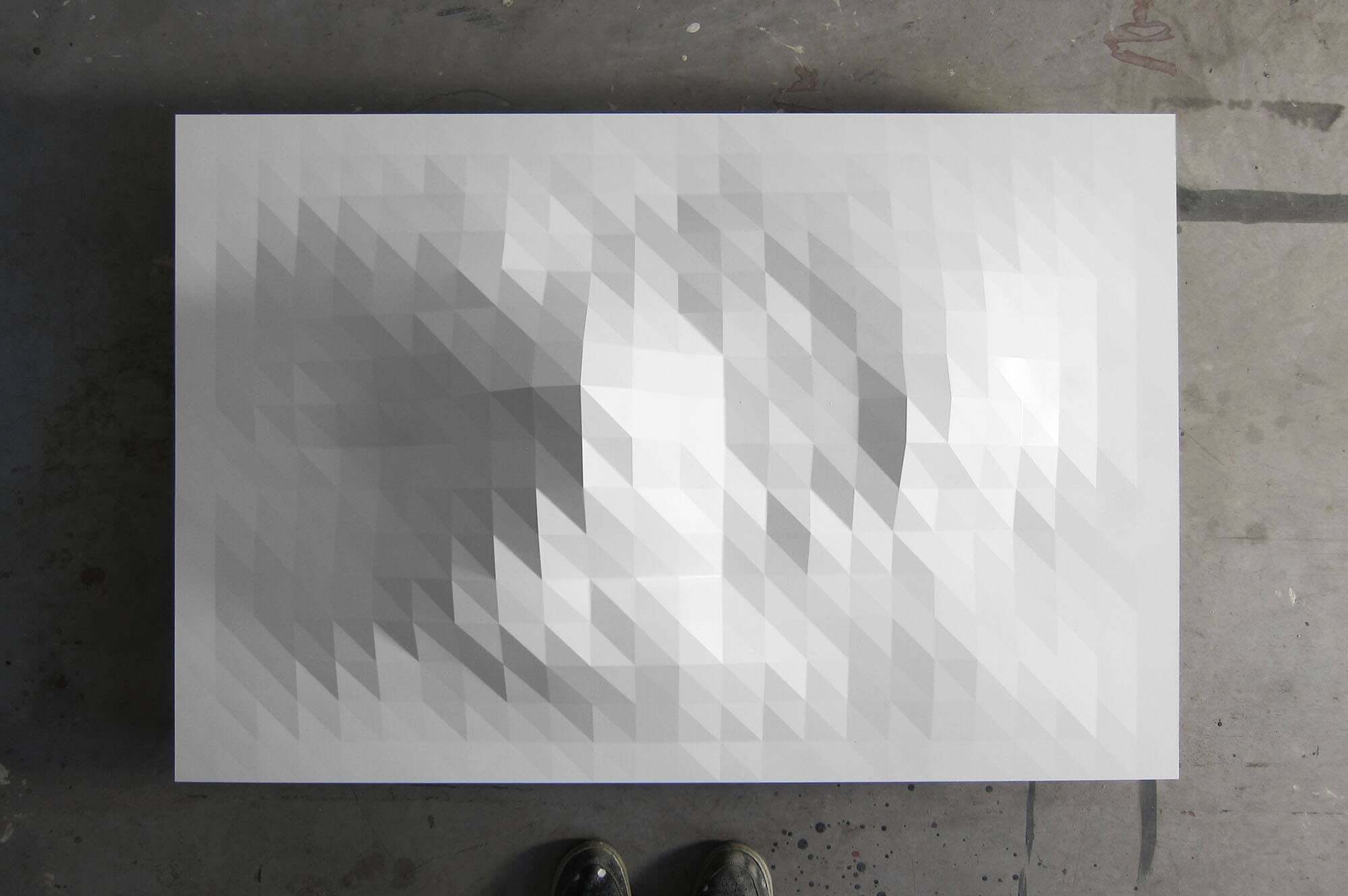
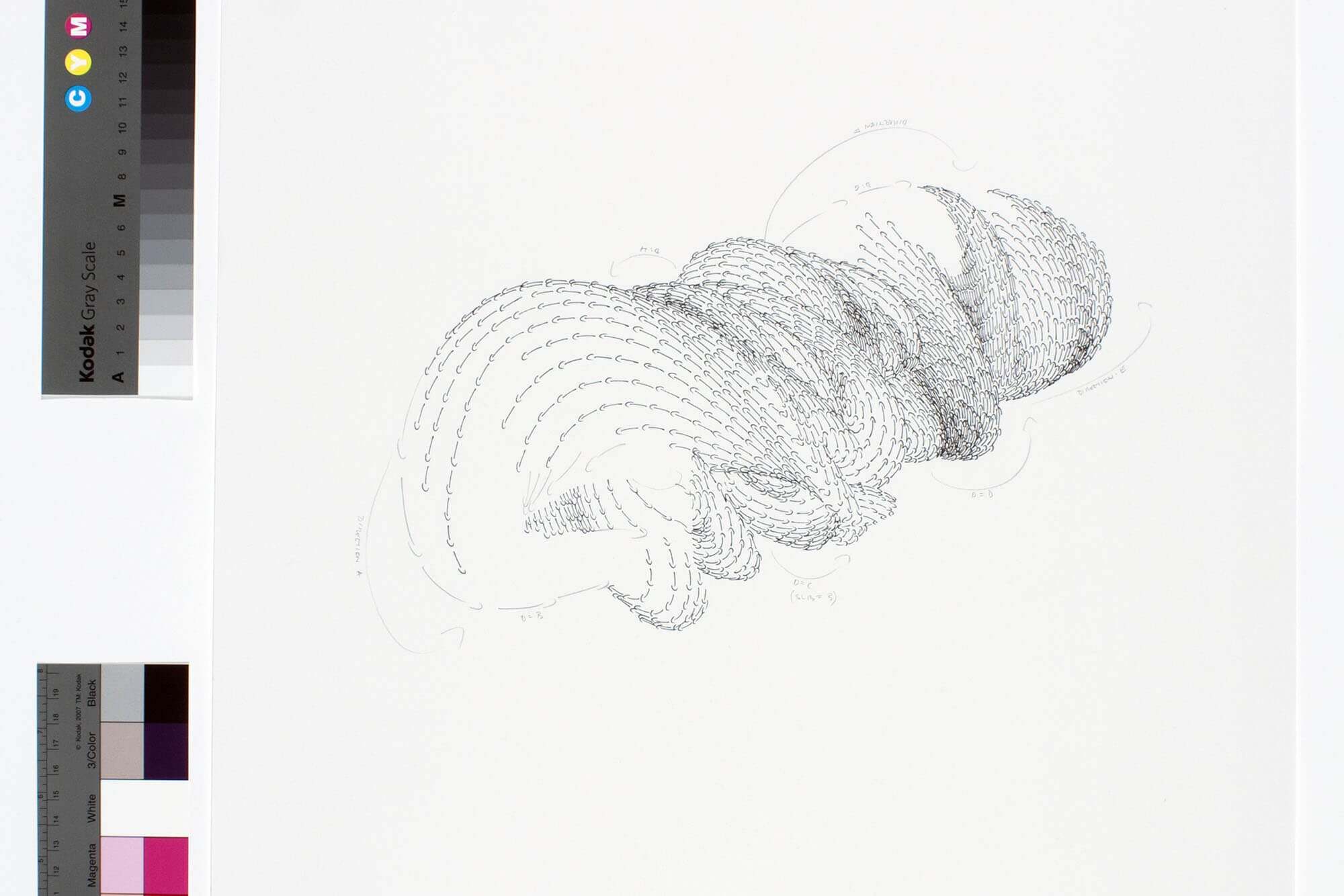
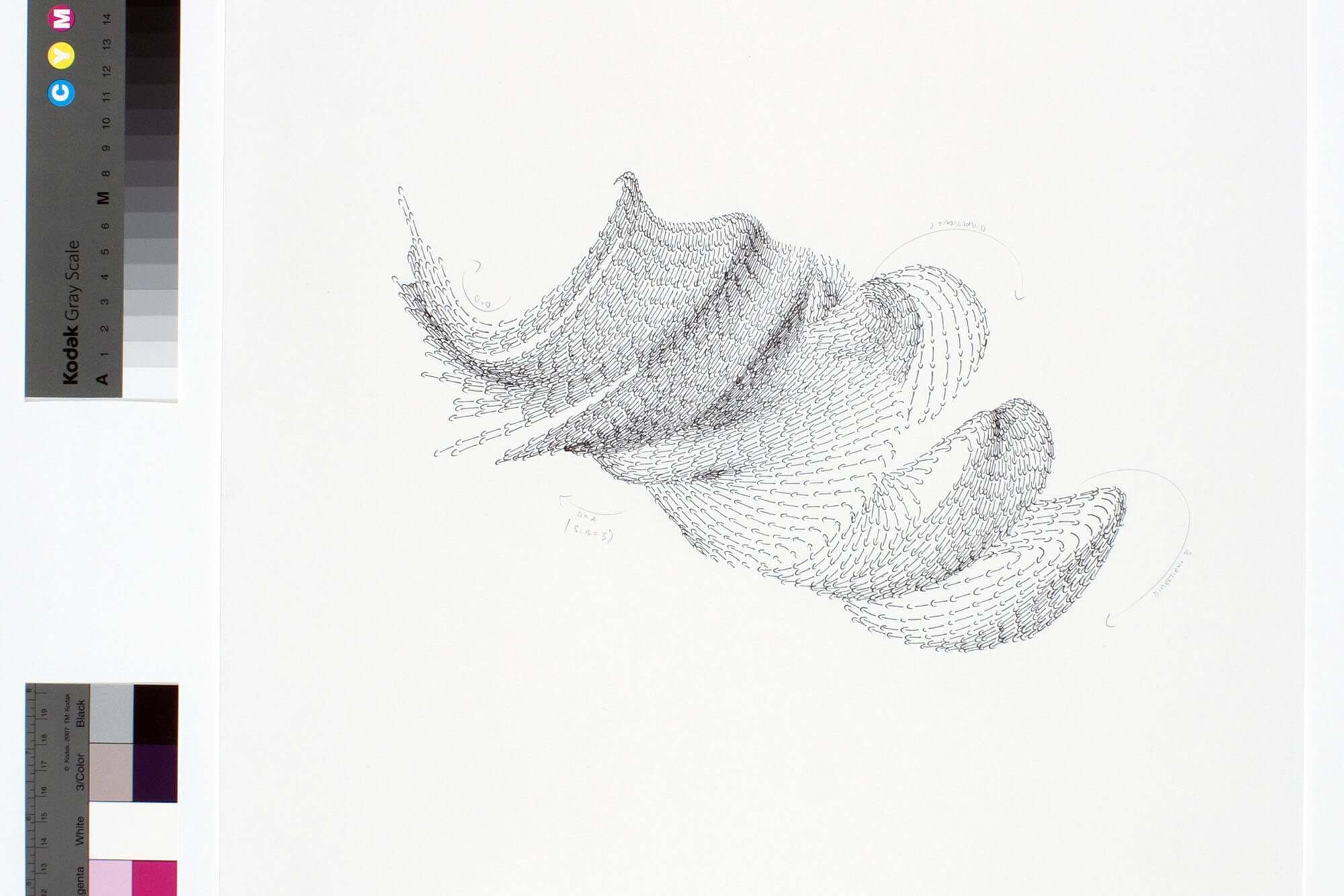
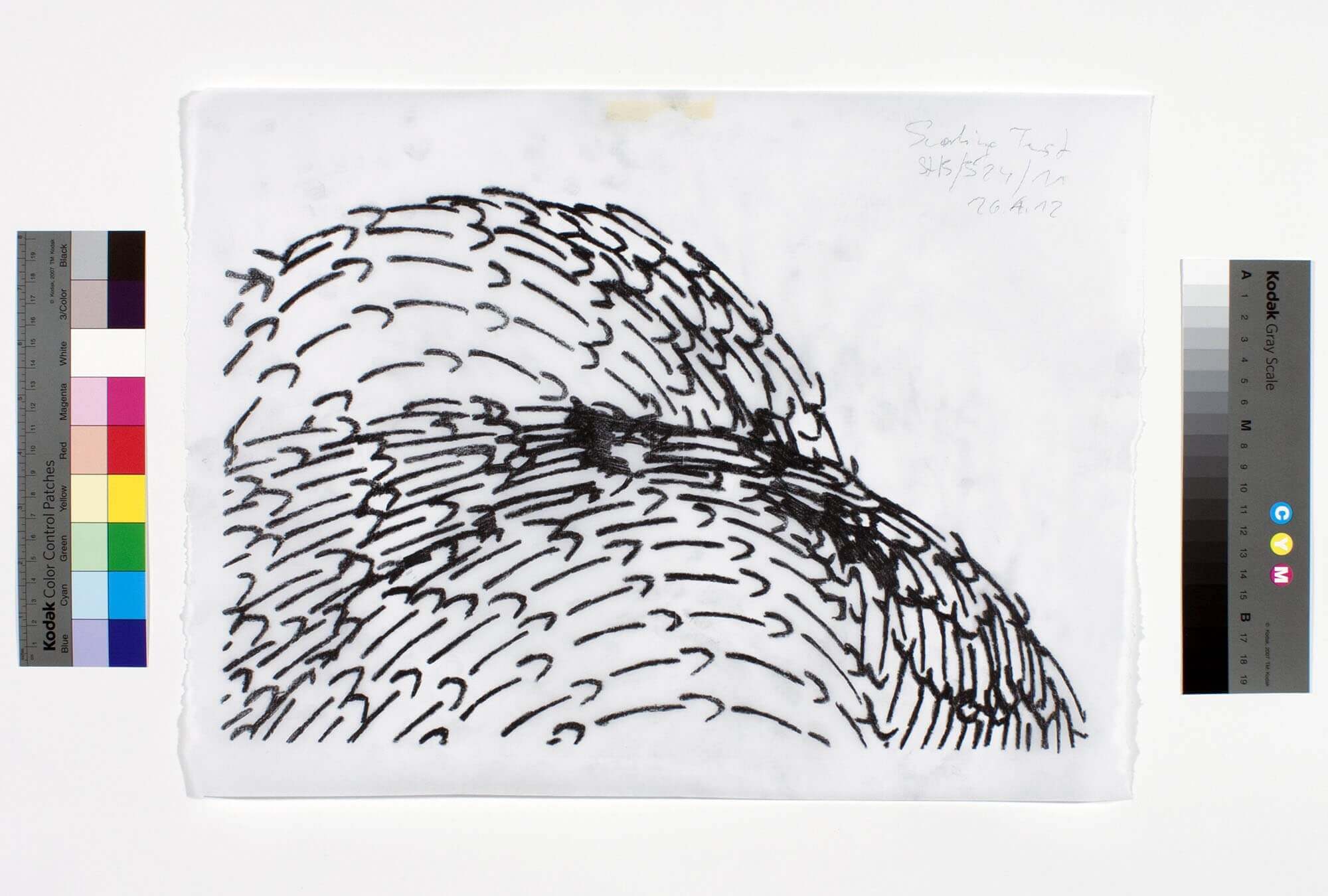
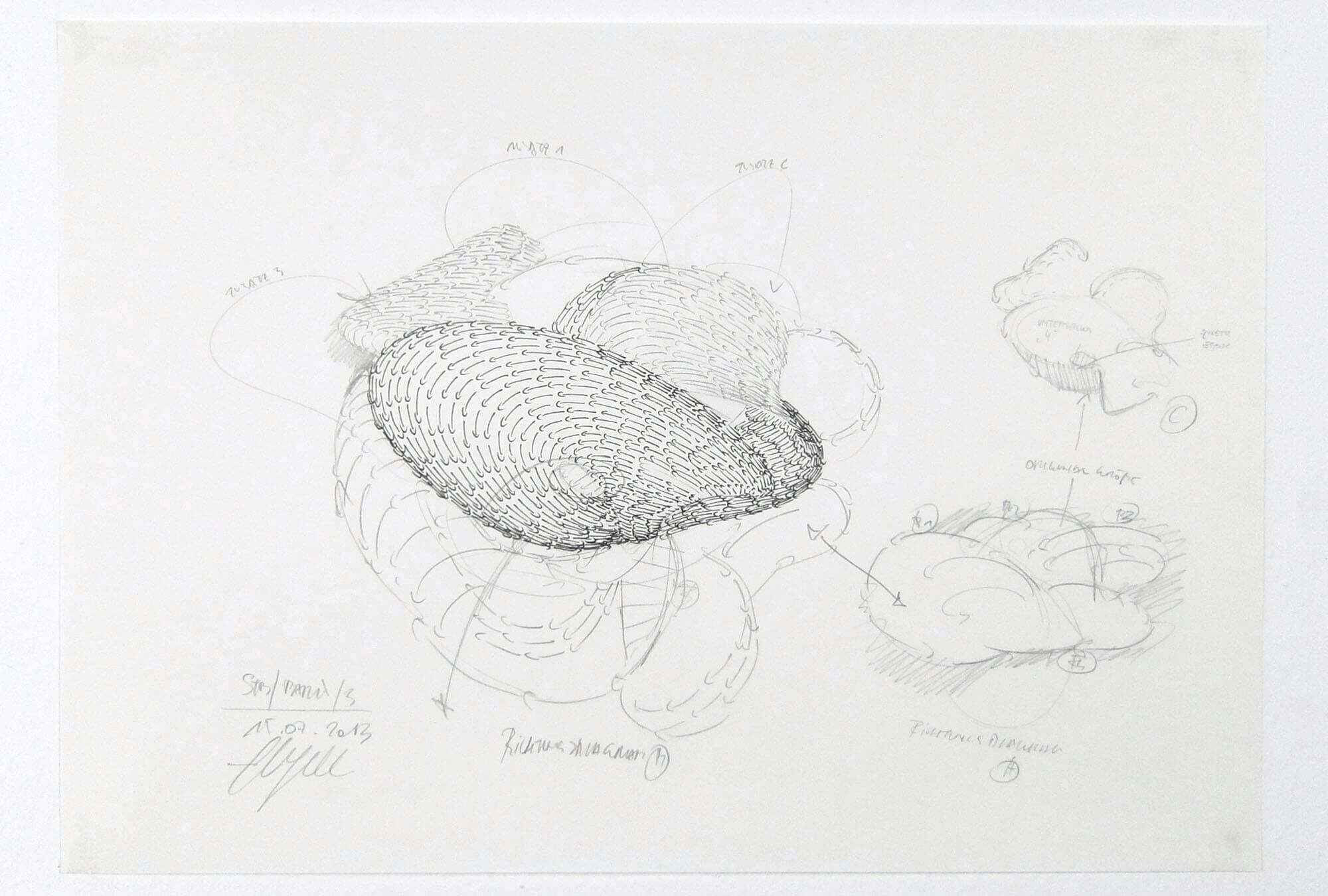
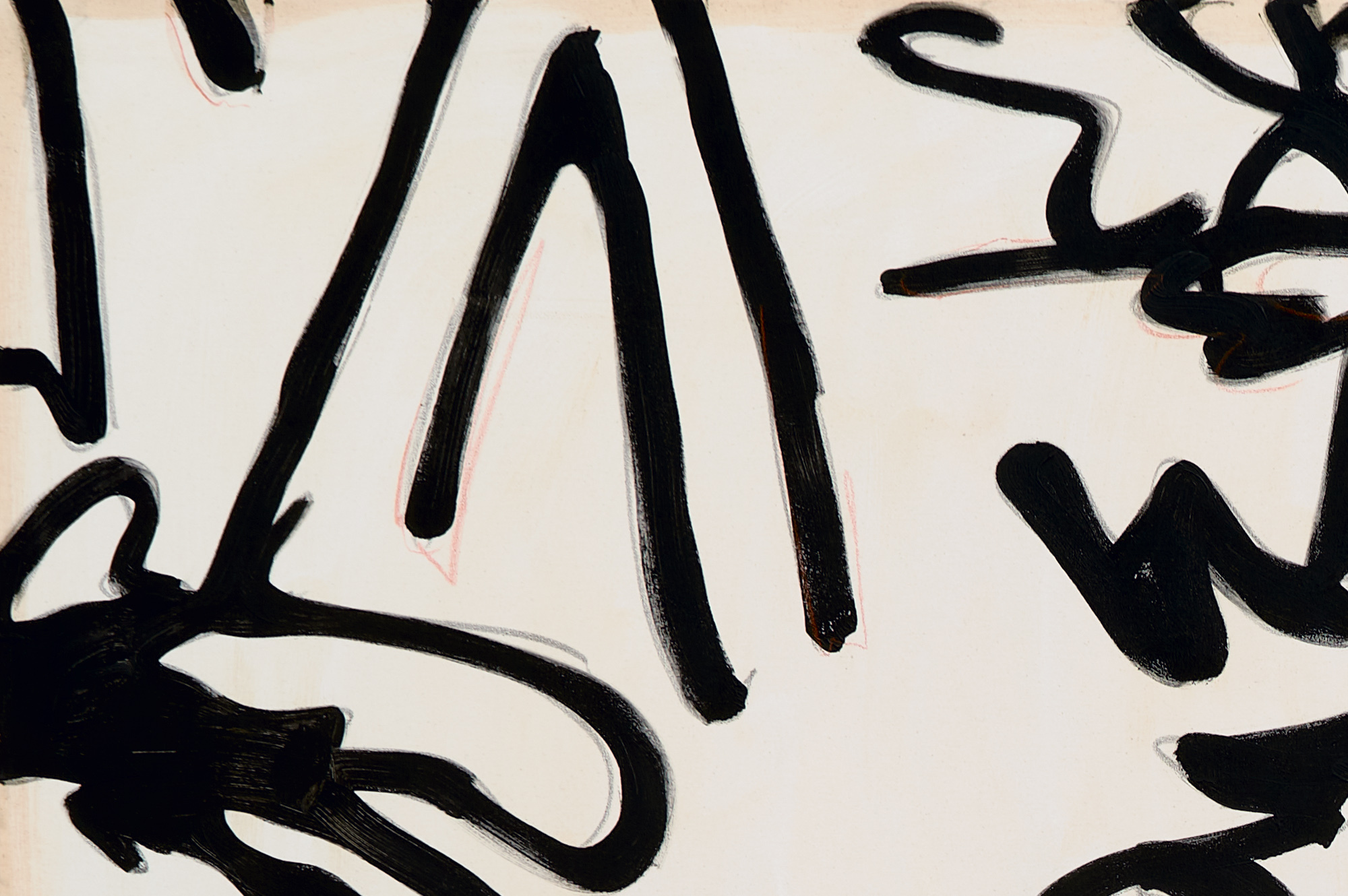
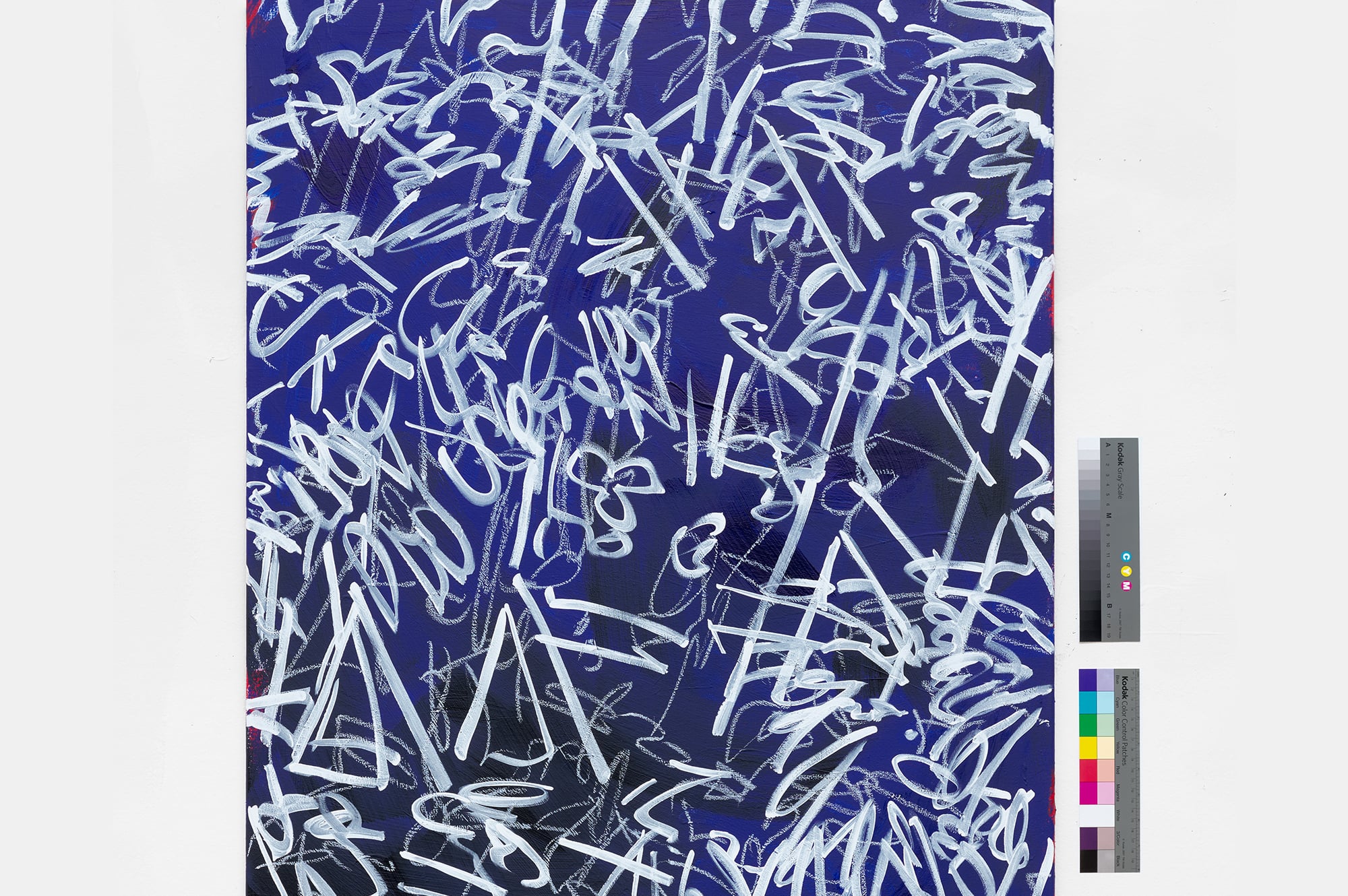
Peter Jellitsch’s Data Drawings are based on what has become an indispensable component of our modern-day (work) life: the Internet and the constant availability of a wireless connection to it. The artist repetitively translates measurable data from Wi-Fi connections in the form of ping, download, and upload speeds into formally complex drawings reminiscent of landscape topographies in pencil and acrylic. He lends form to the invisible digital processes around us and declares them the starting point and necessary basis of his work as an artist. Each Data Drawing is a snapshot and a survey of a specific place at a certain point in time. The numerical values precisely measured with an iPhone app have the appearance of an abstract artistic gesture on the paper with the unmistakable variance of human imprecision. The physical act of drawing is combined with the ubiquitous flows of information that we use and create at the same time: a potentially infinite and never complete creation of value from nothing.
Excerpt from „Without You I’m Nothing“, a text by Marlies Wirth.
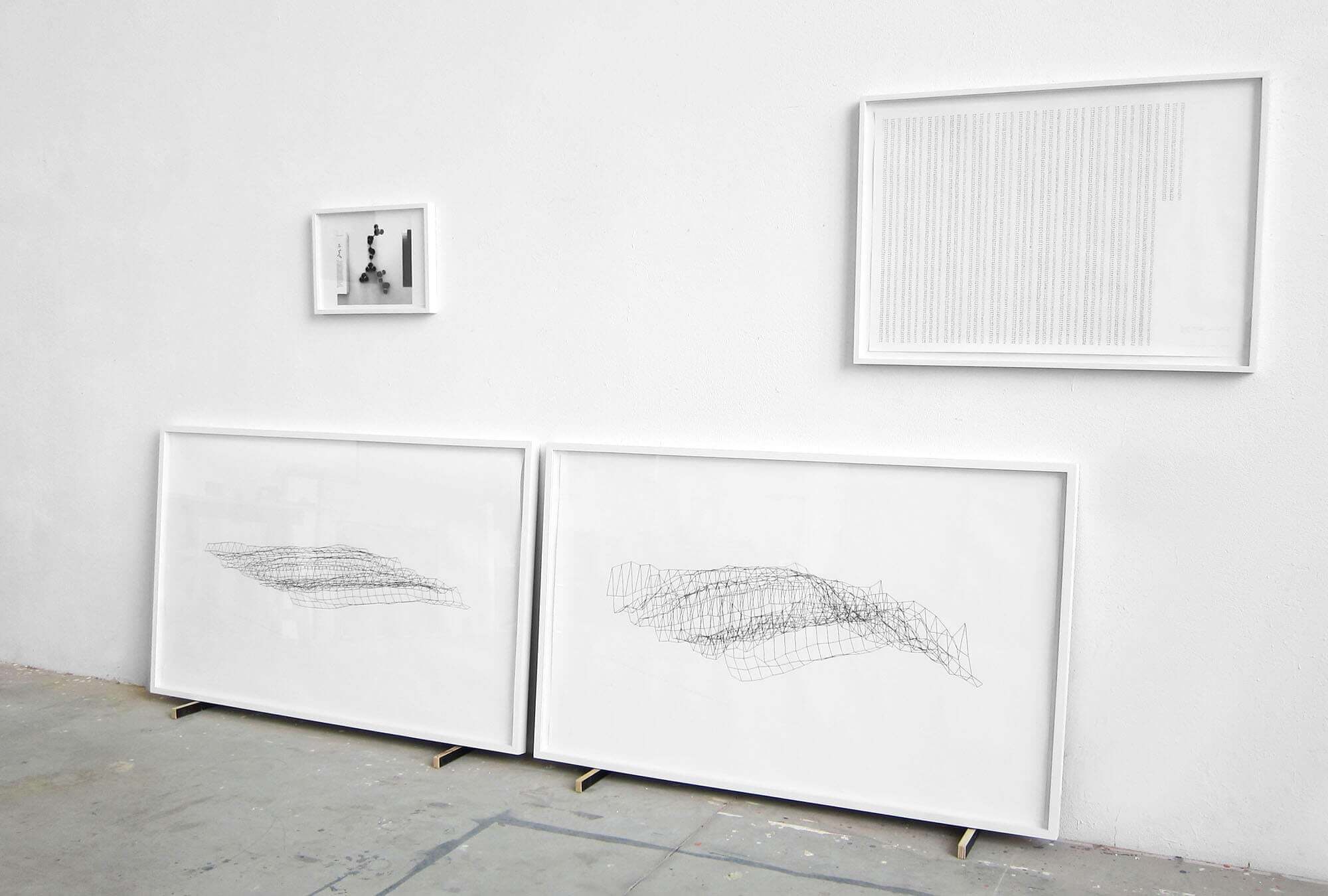
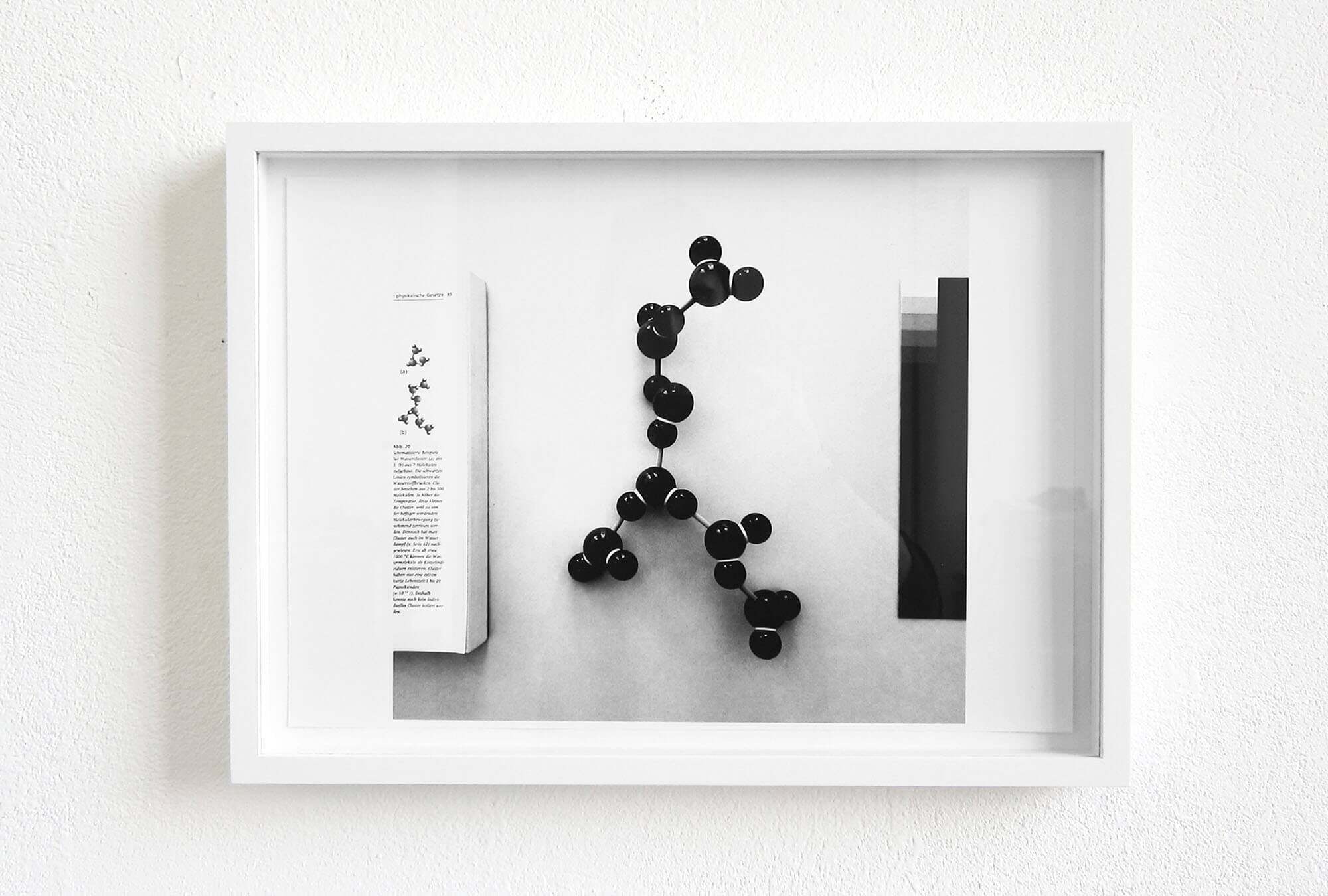
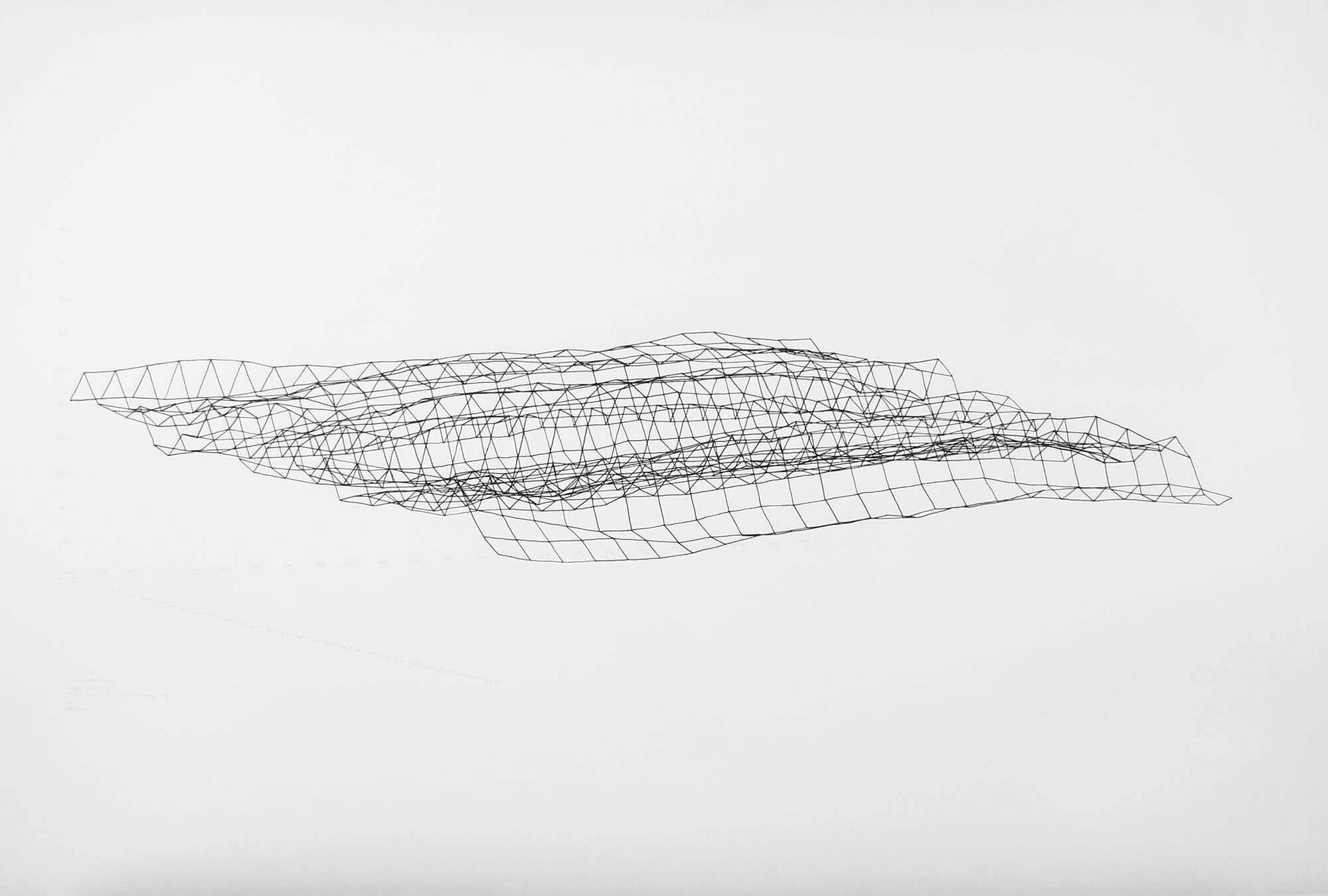
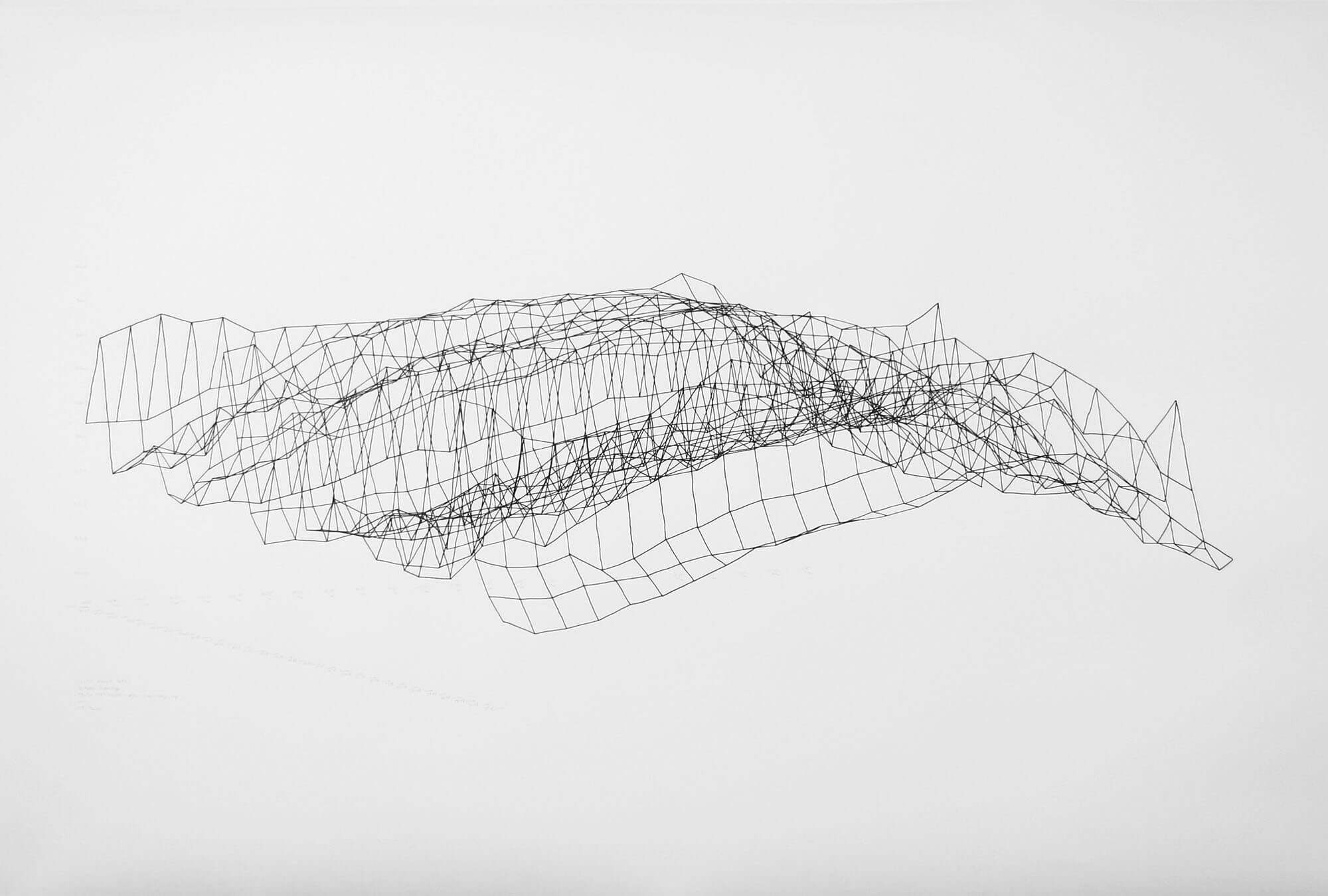
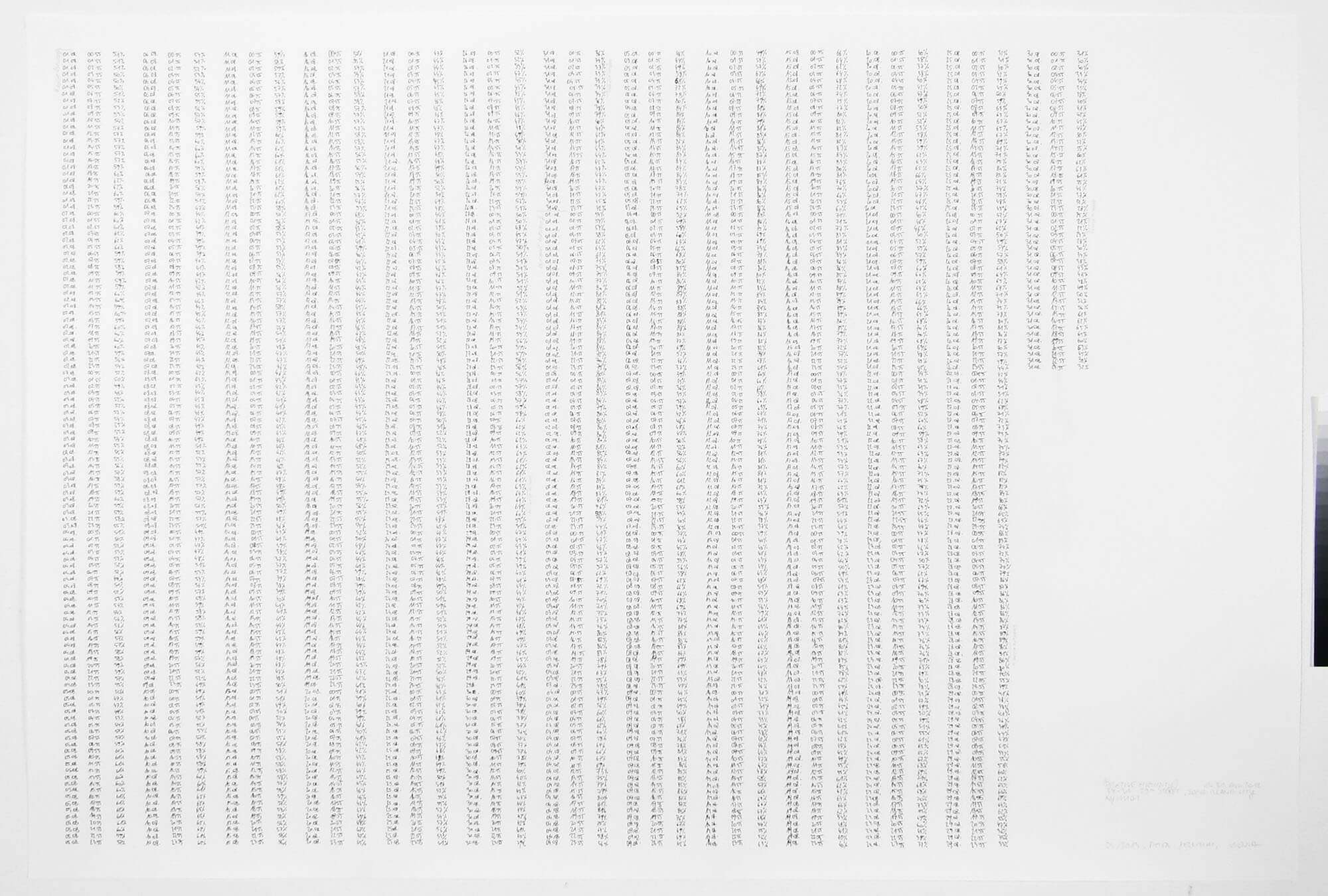
The data for Long Island City was provided by the SP Weather Station, Natalie Campbell and Heidi Neilson.
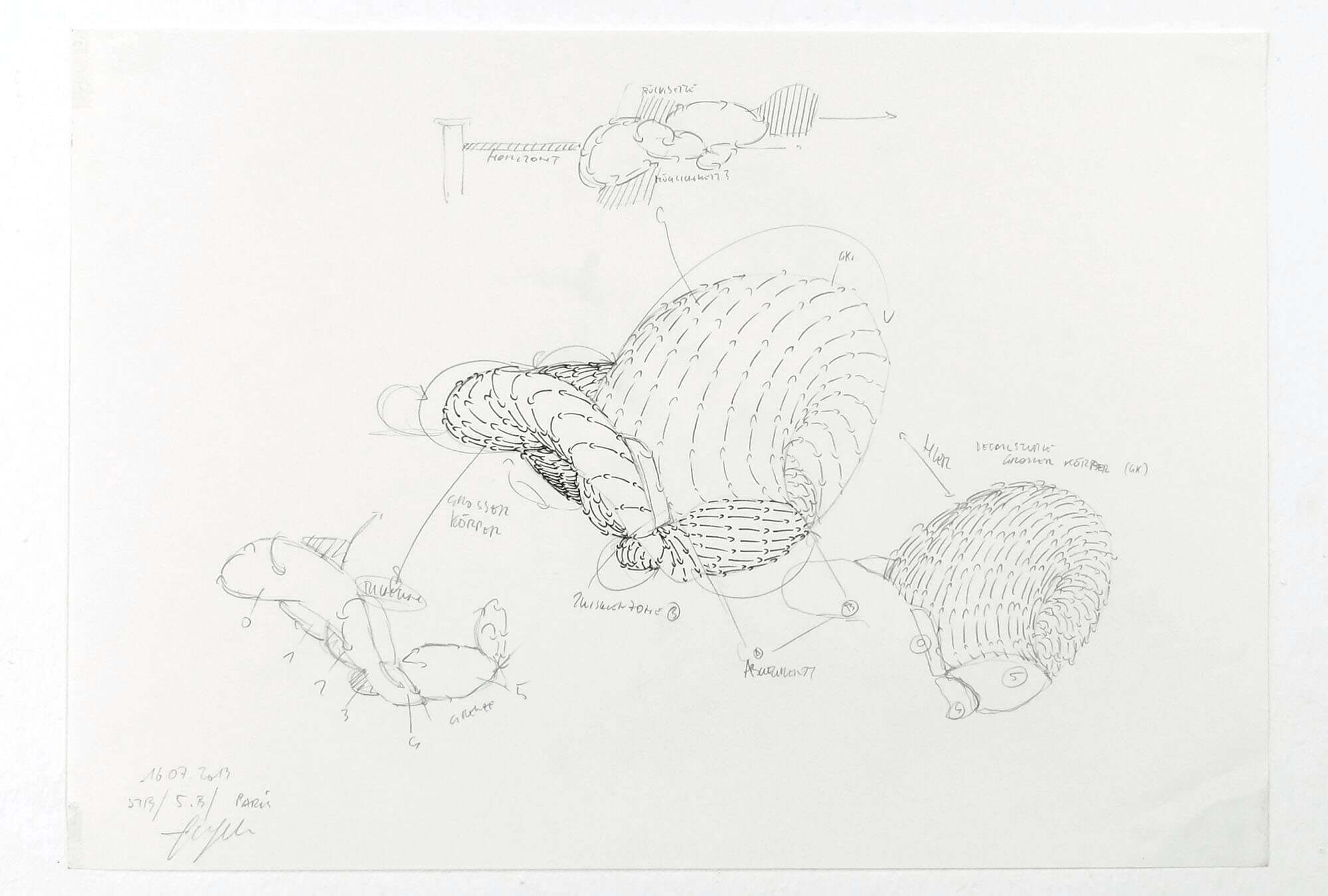
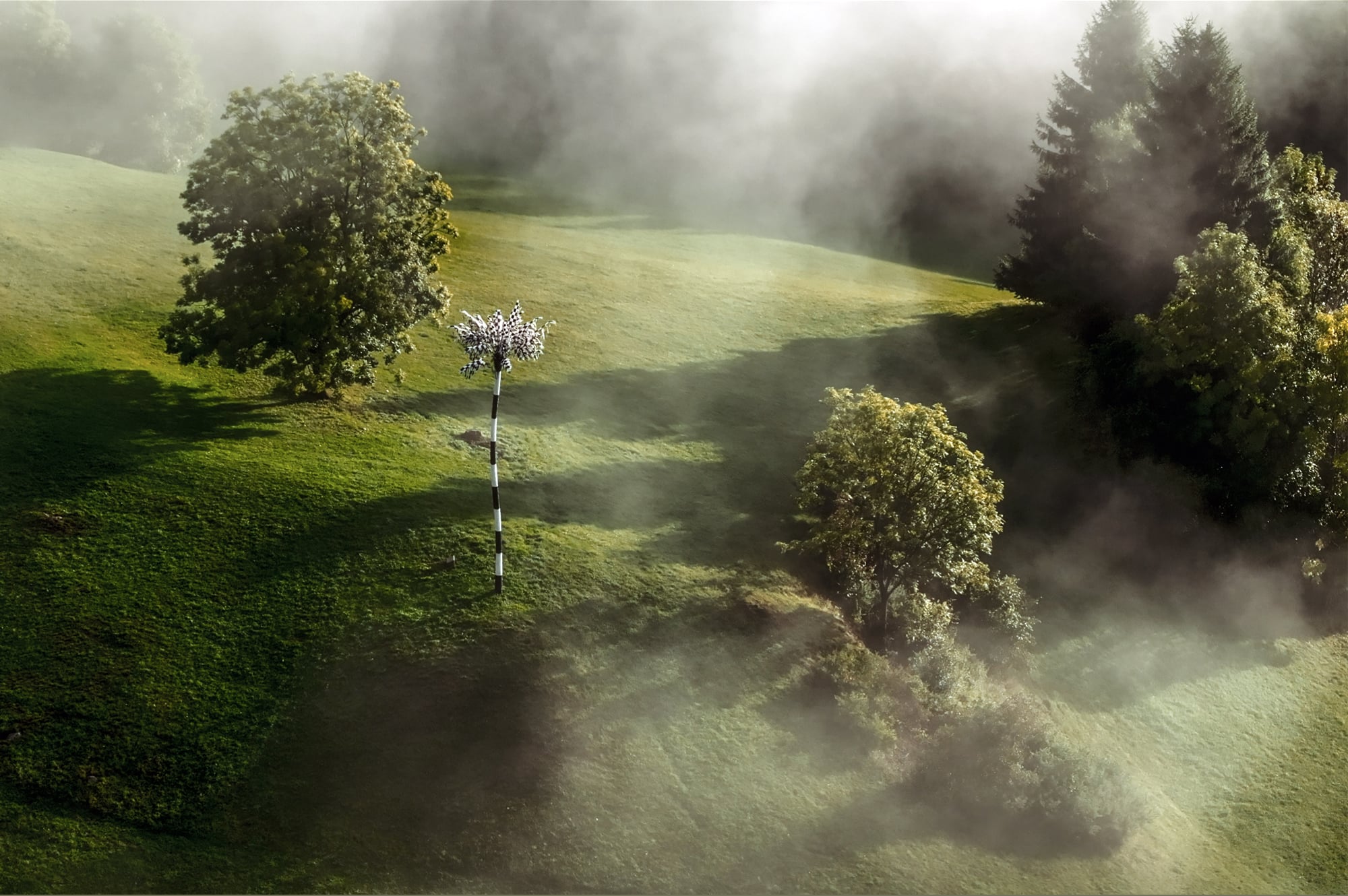
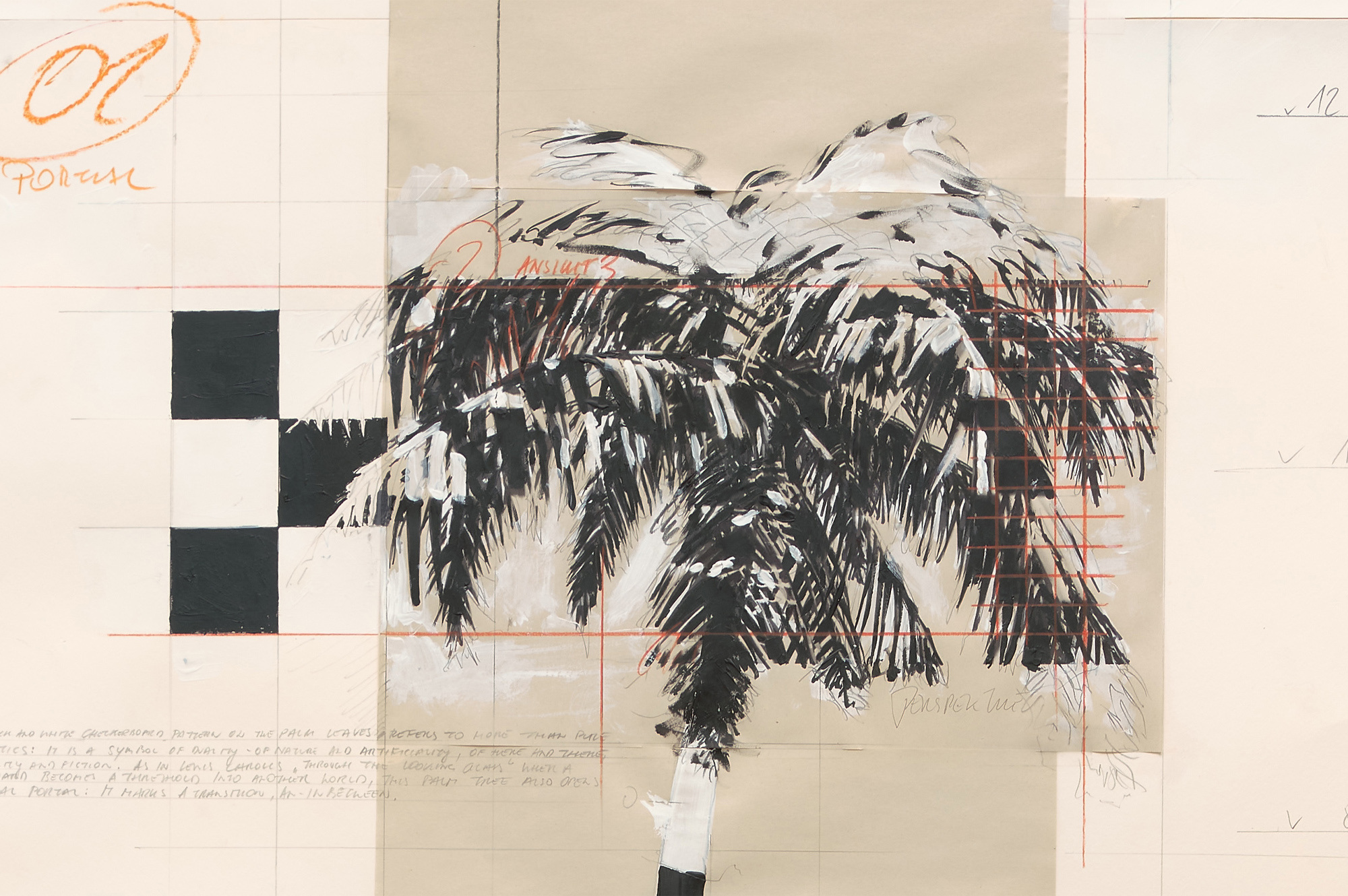
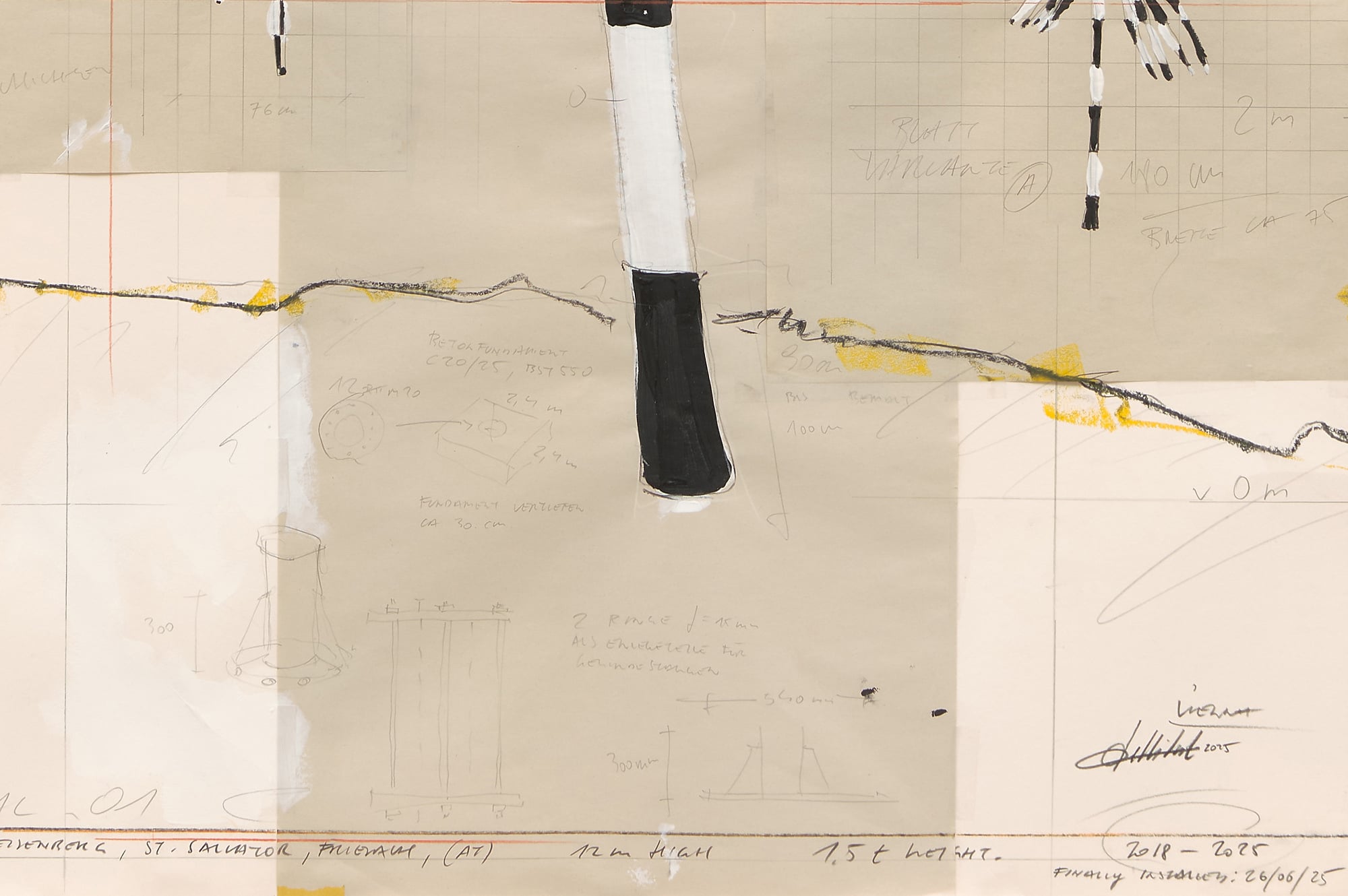
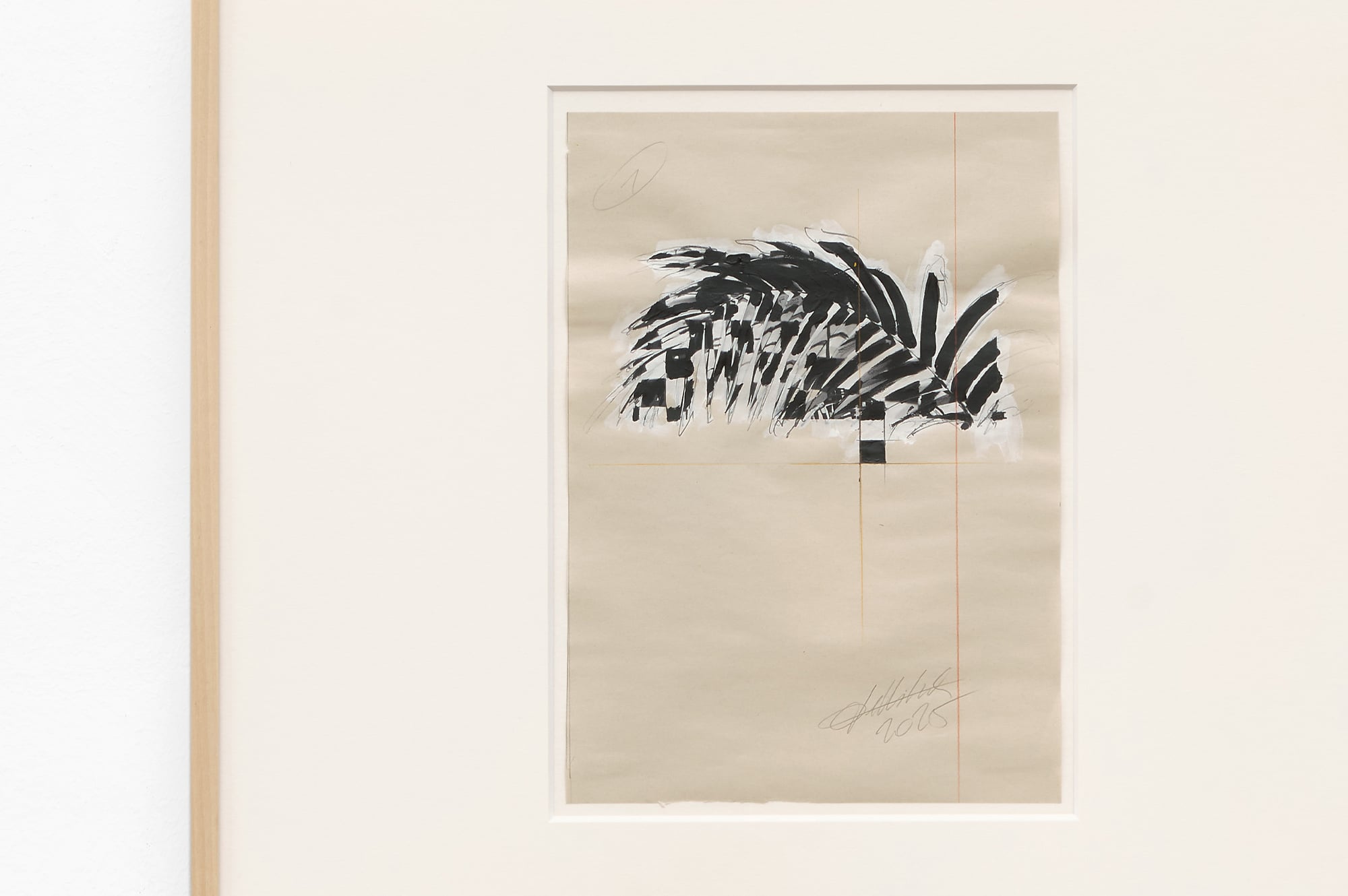
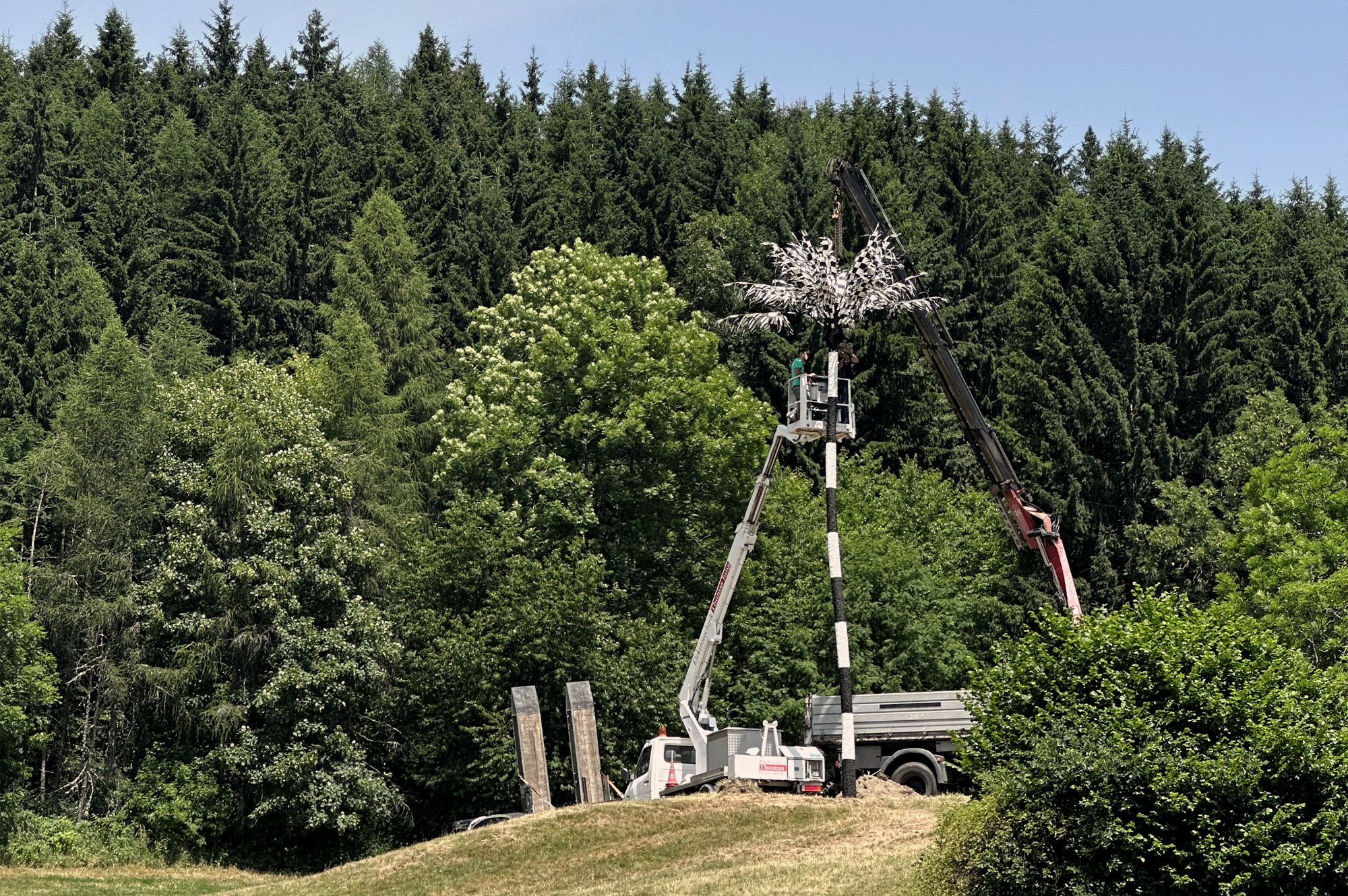
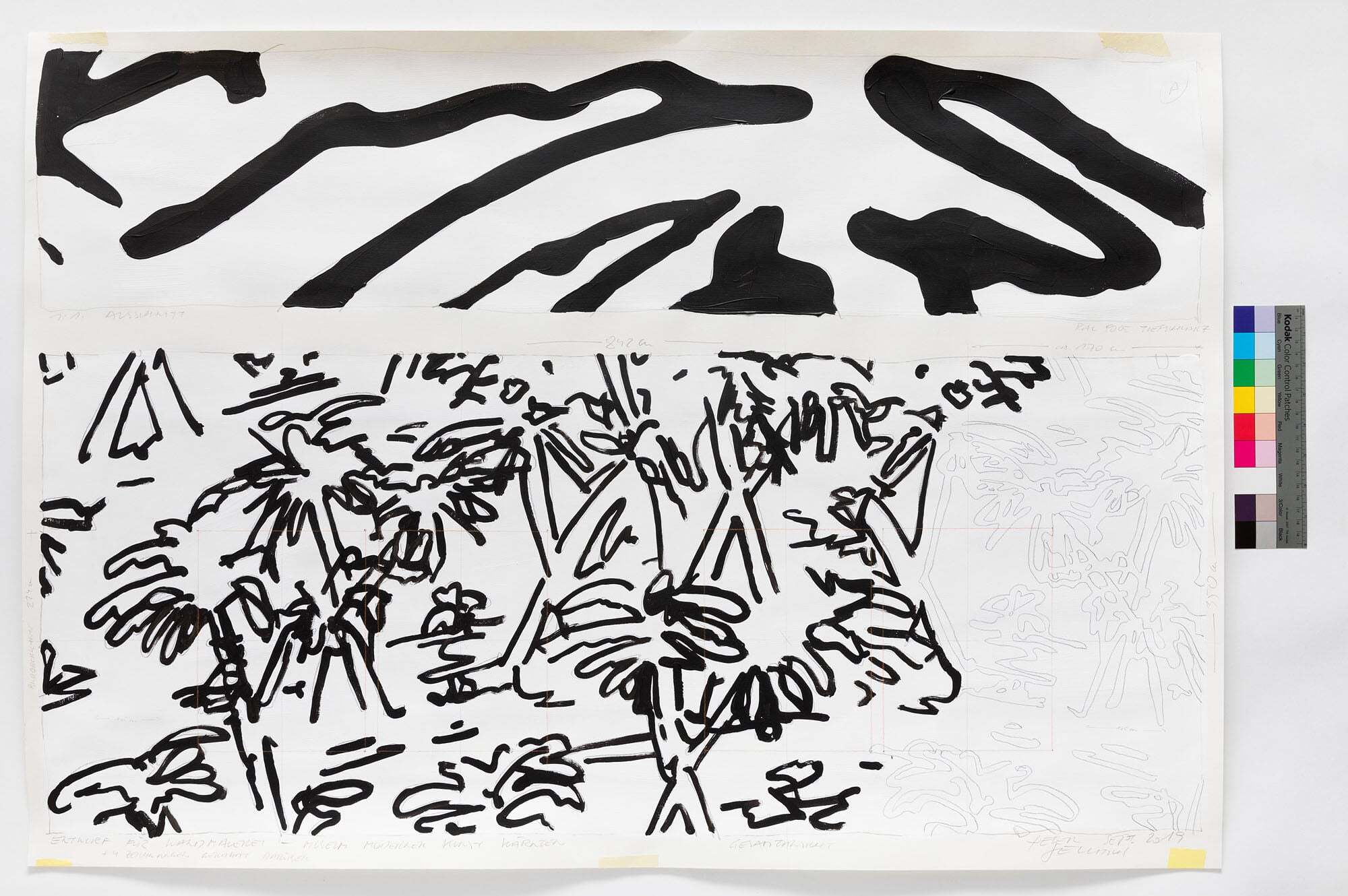
In the middle of a forest clearing stands a vertical object: a twelve-meter-high palm tree with black and white stripes—neither naturally grown nor integrated into the landscape, but placed there like an exclamation mark.
This sculpture by Peter Jellitsch breaks radically with its surroundings. While the native trees grow in organic rhythms—supported by an idea of nature that is as culturally influenced as it is historically shifted—this palm tree follows a strict code: black, white, black, white. What appears to be an error—a palm tree in the middle of the forest—is a precisely composed disruptive signal. An intervention that raises questions: What is nature? What is artificiality? What is our projection of “naturalness”? The black-and-white checkerboard pattern on the palm leaves refers to more than pure aesthetics. It is a symbol of duality – of nature and artificiality, of here and there, of reality and fiction. As in Lewis Carroll's “Through the Looking-Glass”, where a chessboard becomes the threshold to another world, this palm tree also opens a mental portal: it marks a transition, an in-between. A grid that does not organize, but destabilizes. The clear coding tips into the surreal – what just seemed familiar begins to flicker. This portal is not a door, but a perception: a moment of irritation that questions everything. The sculpture stands in absolute solitude and yet communicates. It may not speak in words, but in contrasting forms and meanings. Jellitsch has succeeded here in creating a three-dimensional drawing on a scale of 1:1—a dotted line that does not run on paper, but in the landscape. It combines digital aesthetics with sculptural gestures, ironic shifts with serious spatial assertions. A palm tree where none should grow—and yet something grows here: an idea, a doubt, a new image. (Peter Jellitsch, 2025)
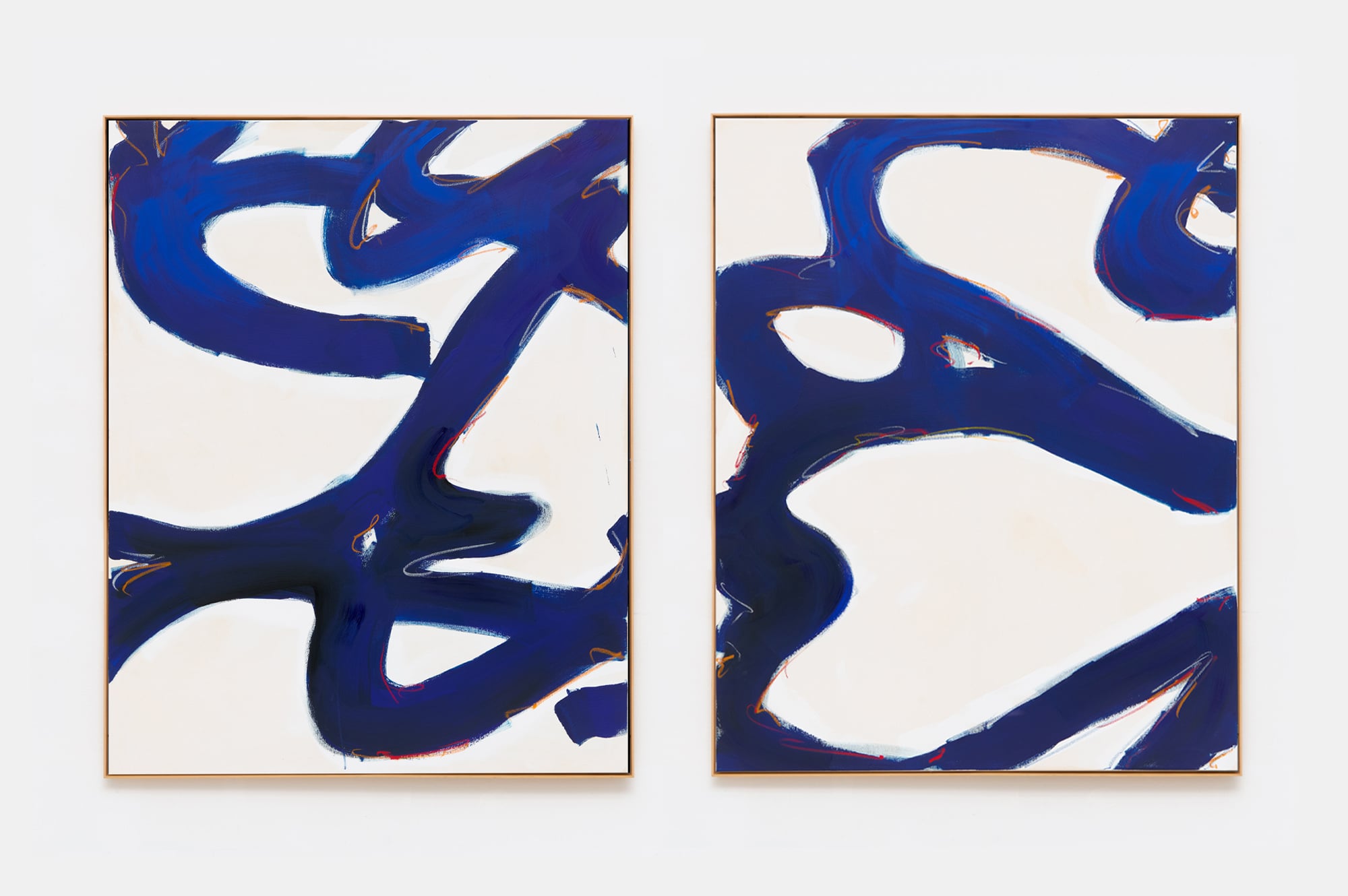
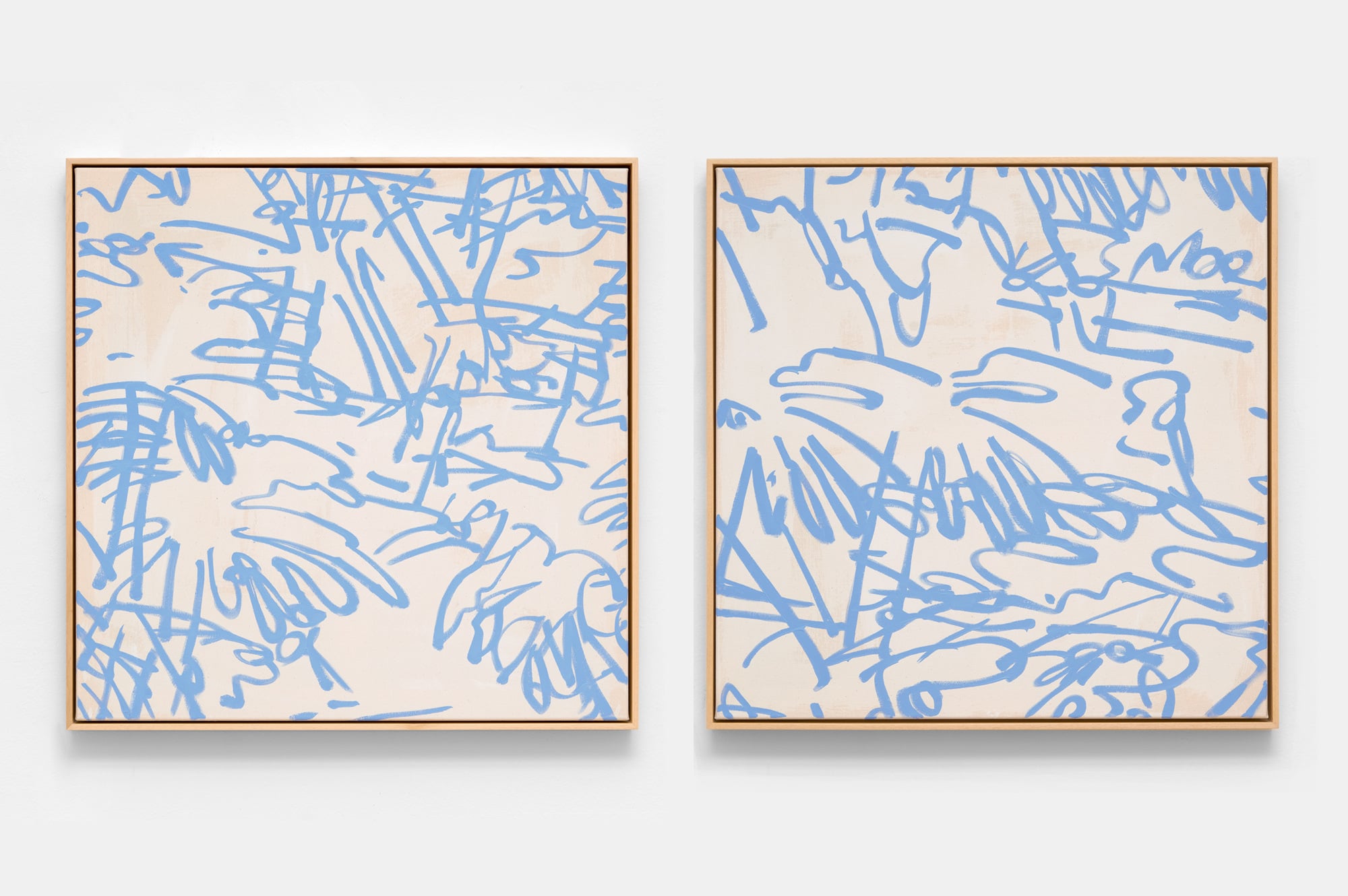
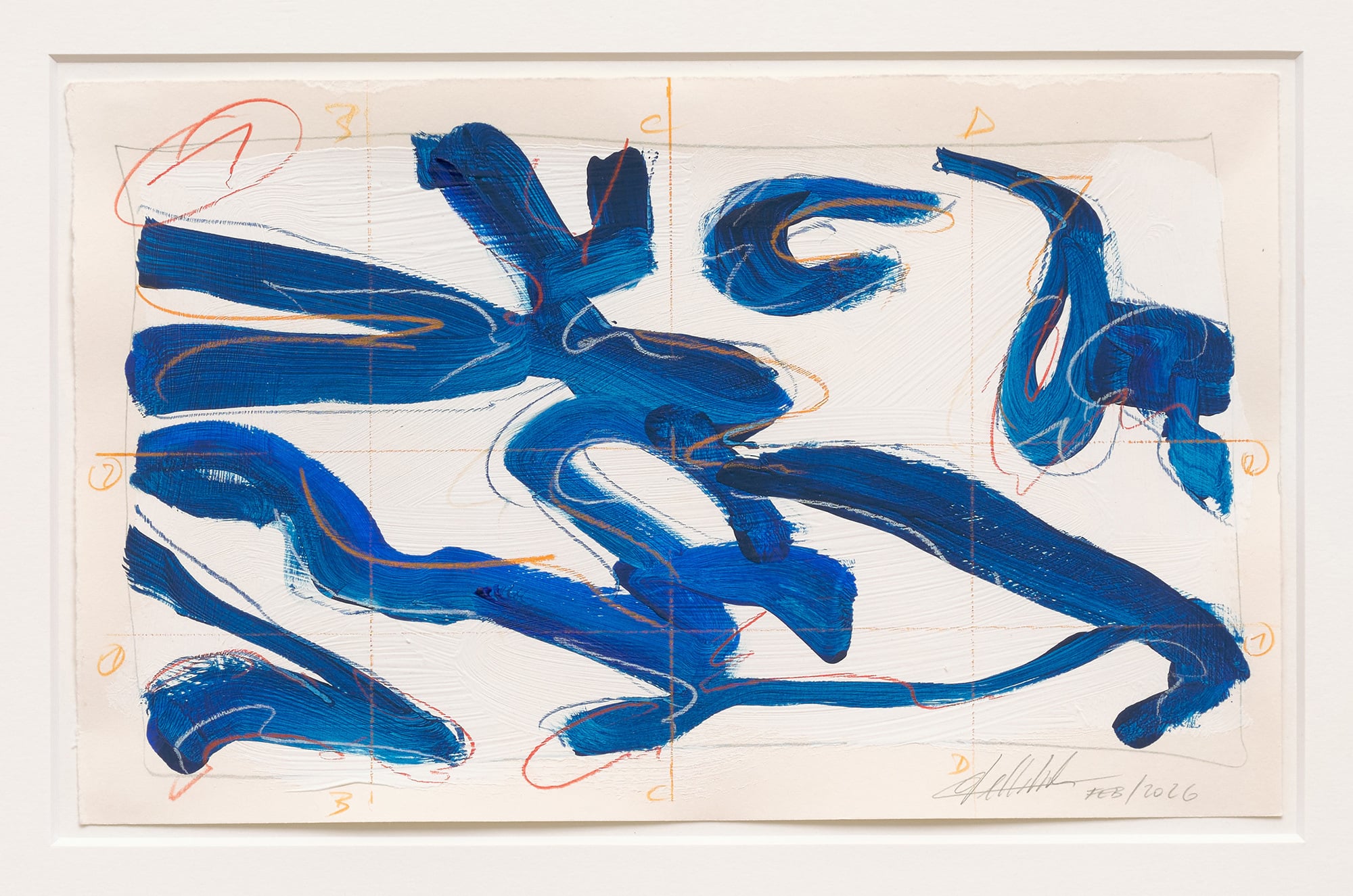
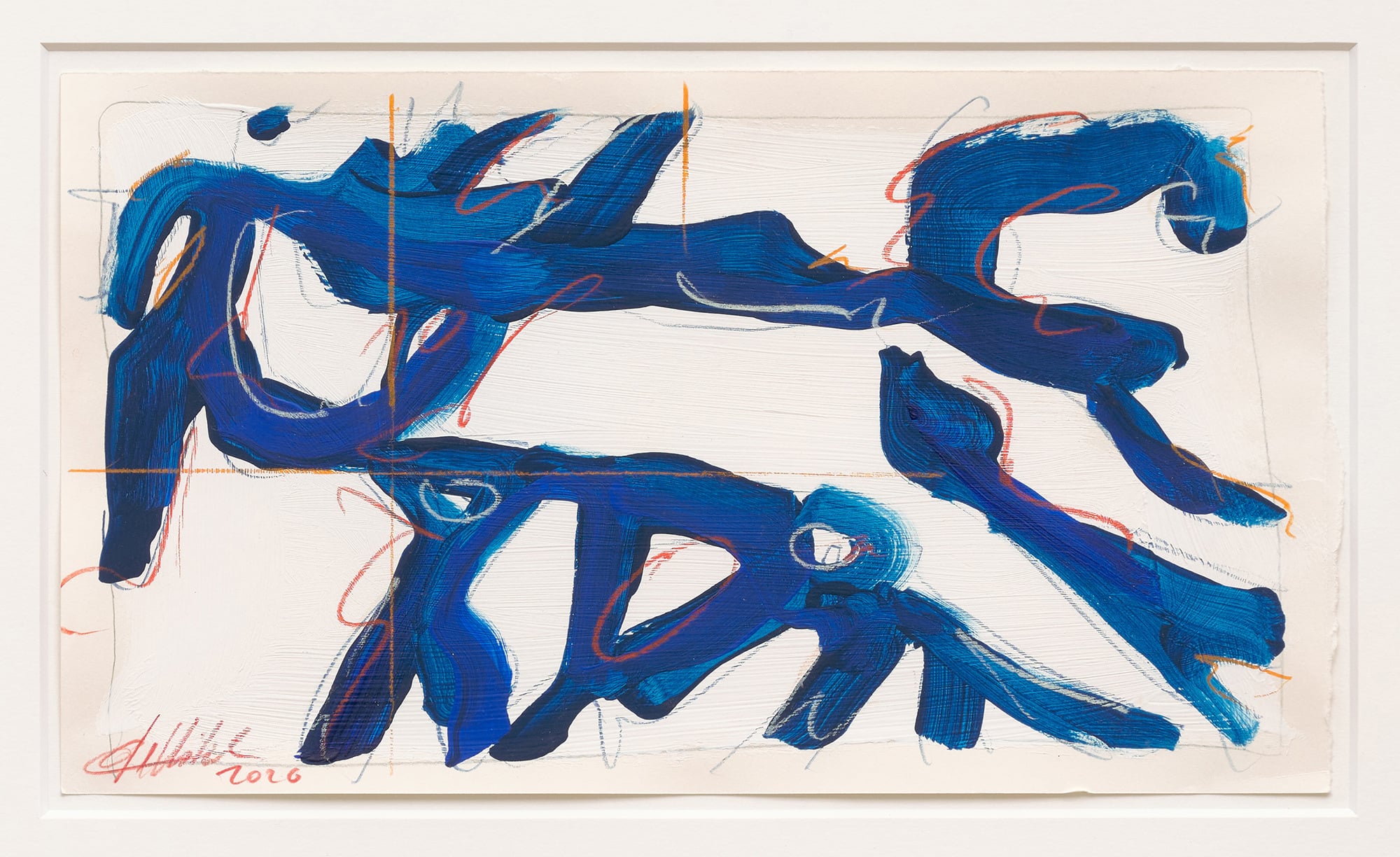
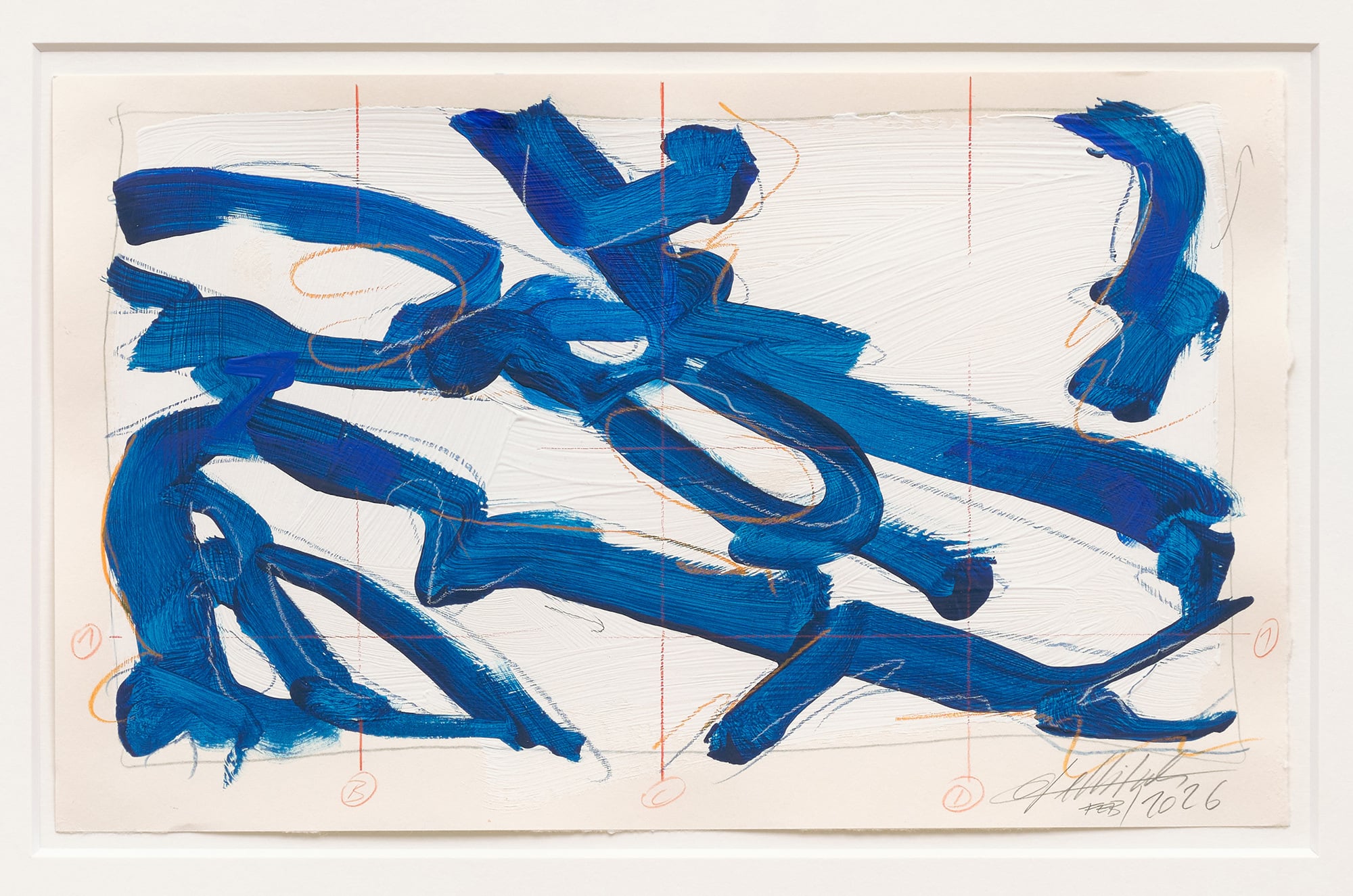
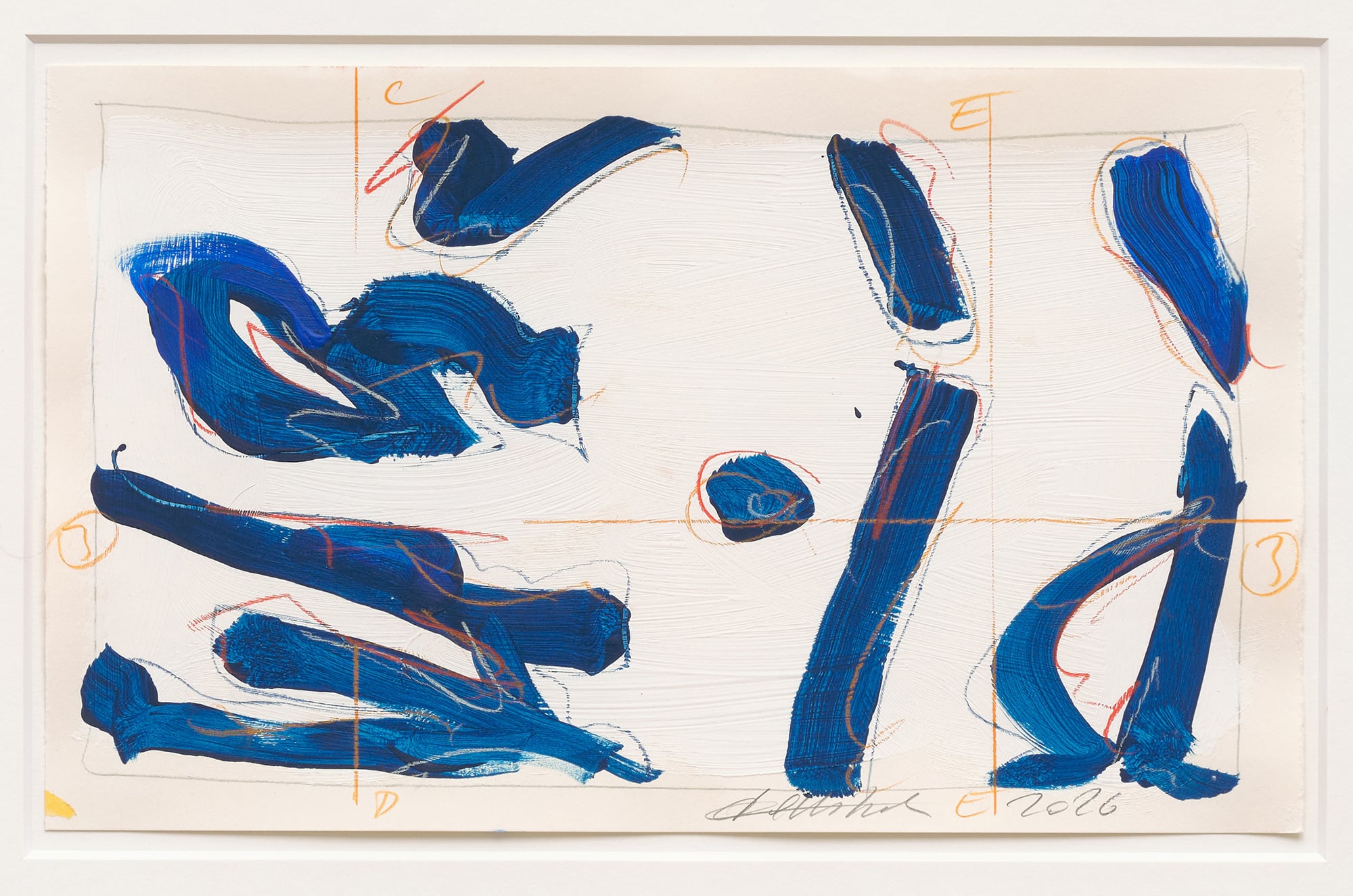
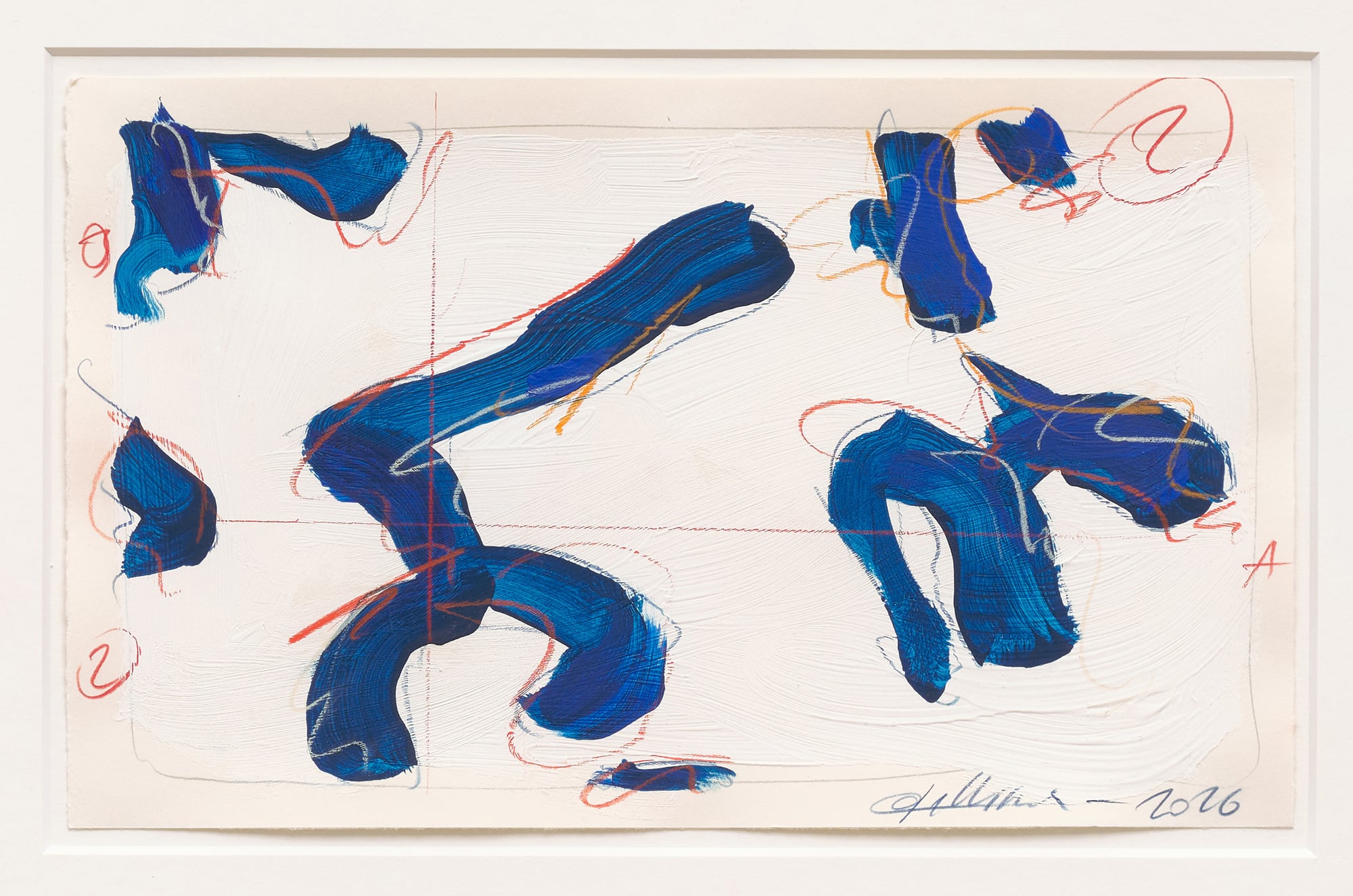
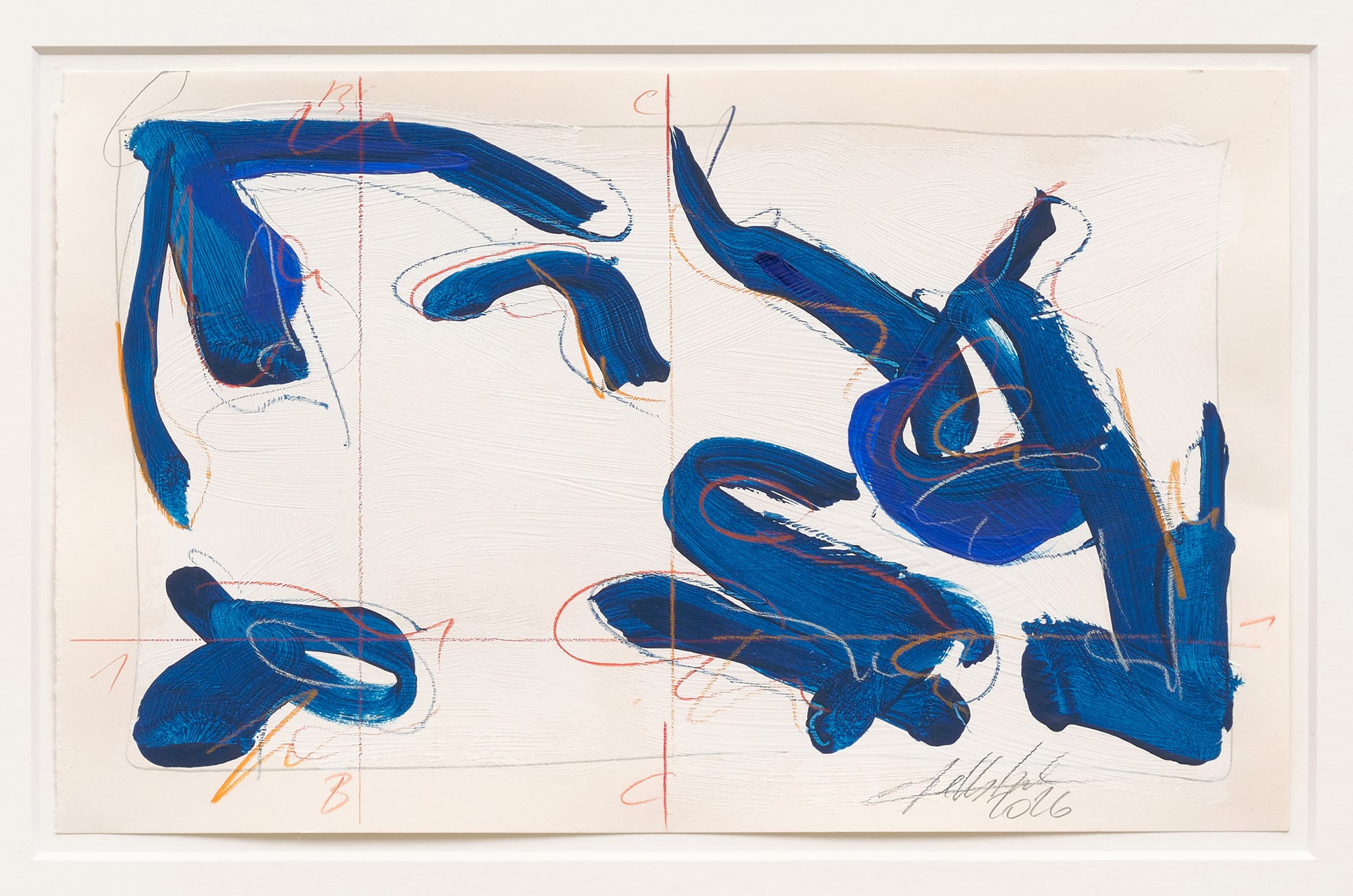
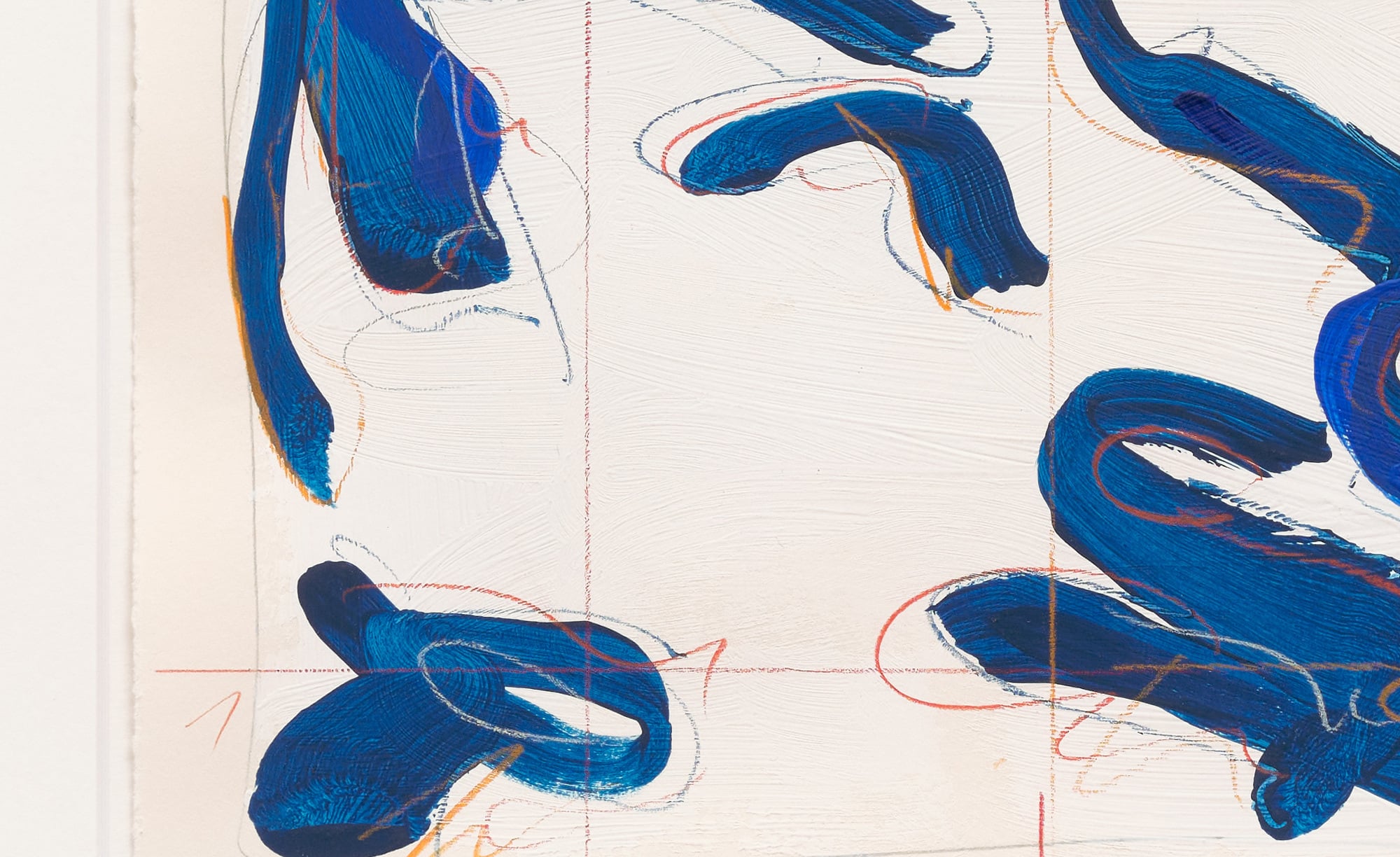
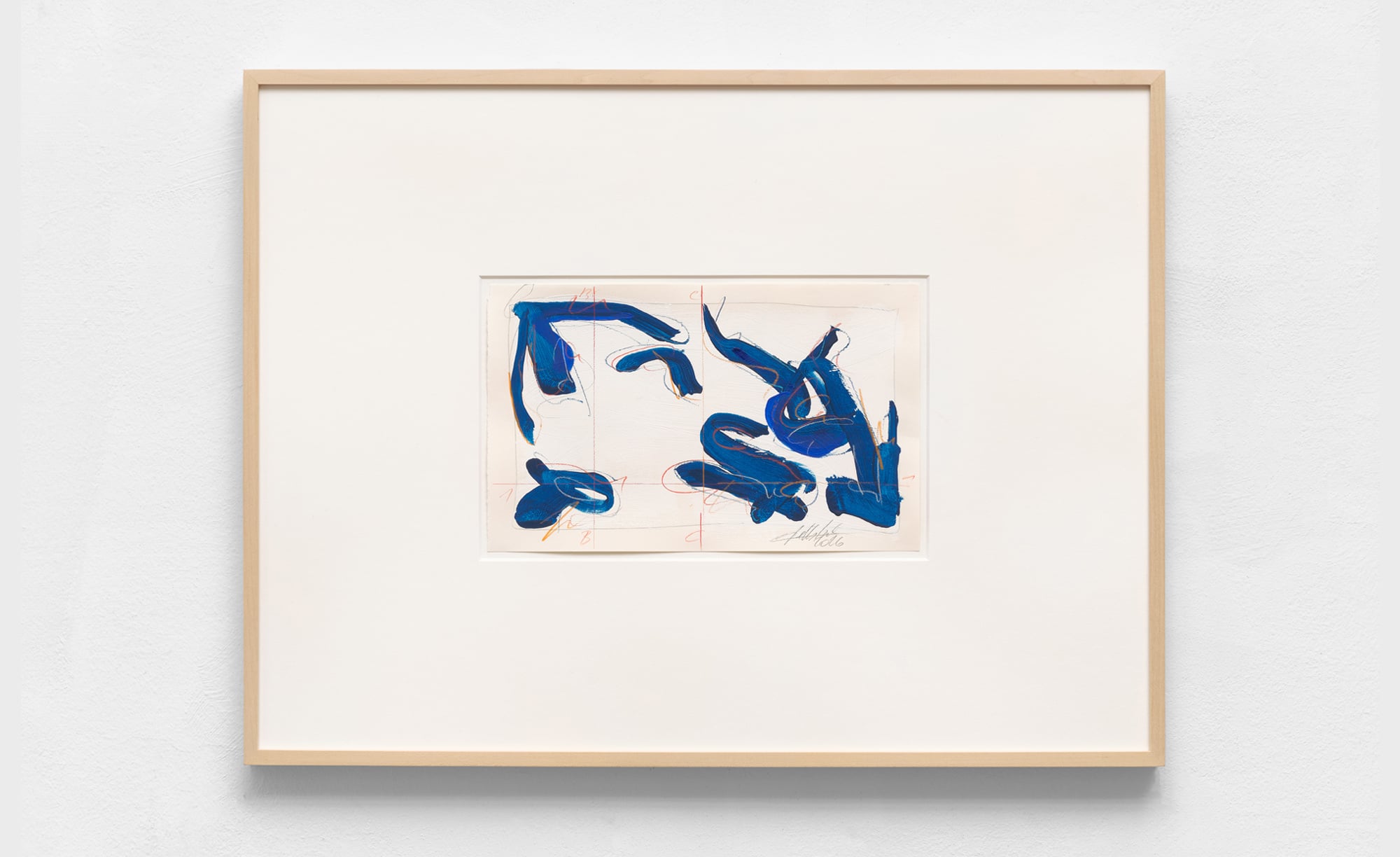
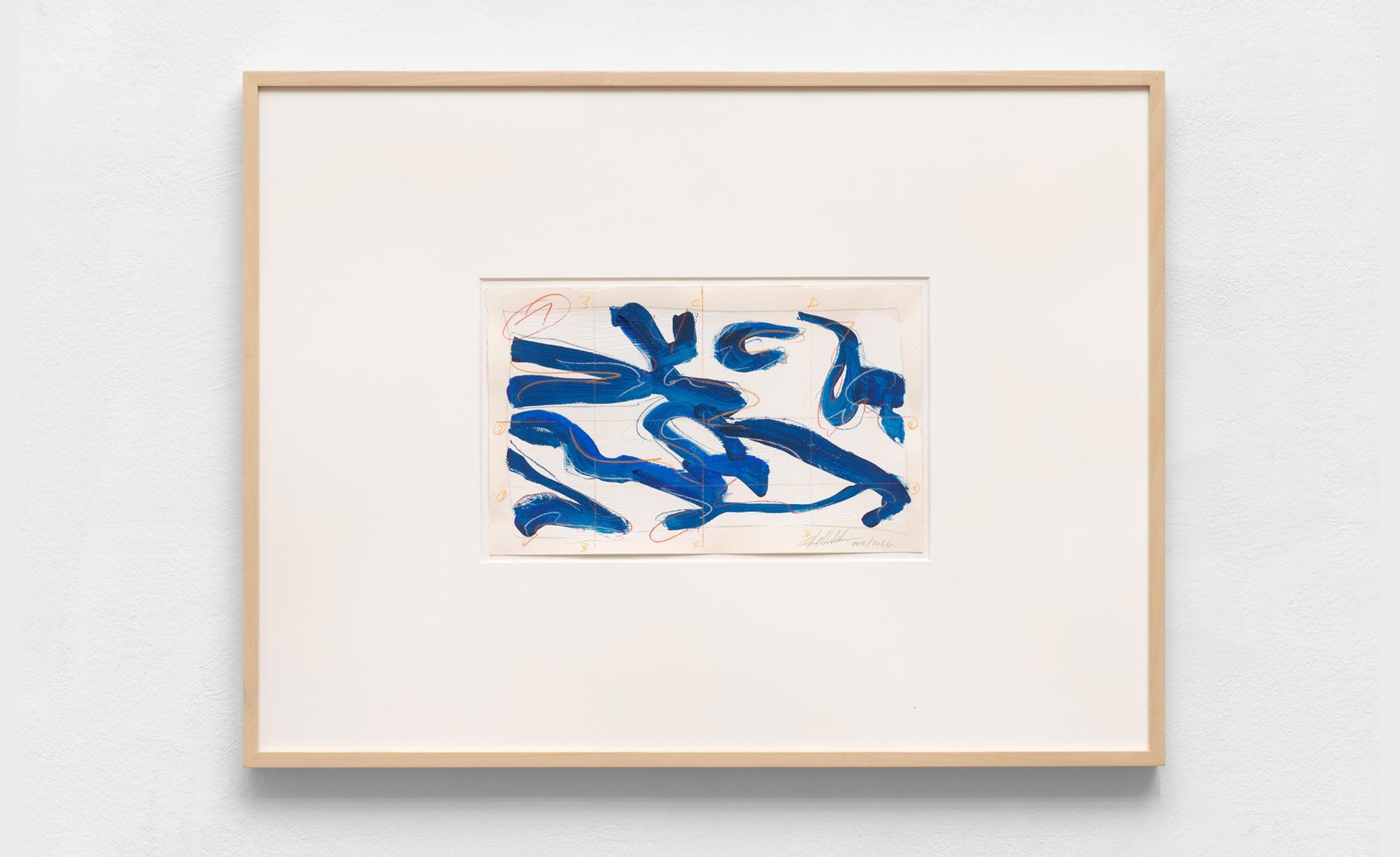
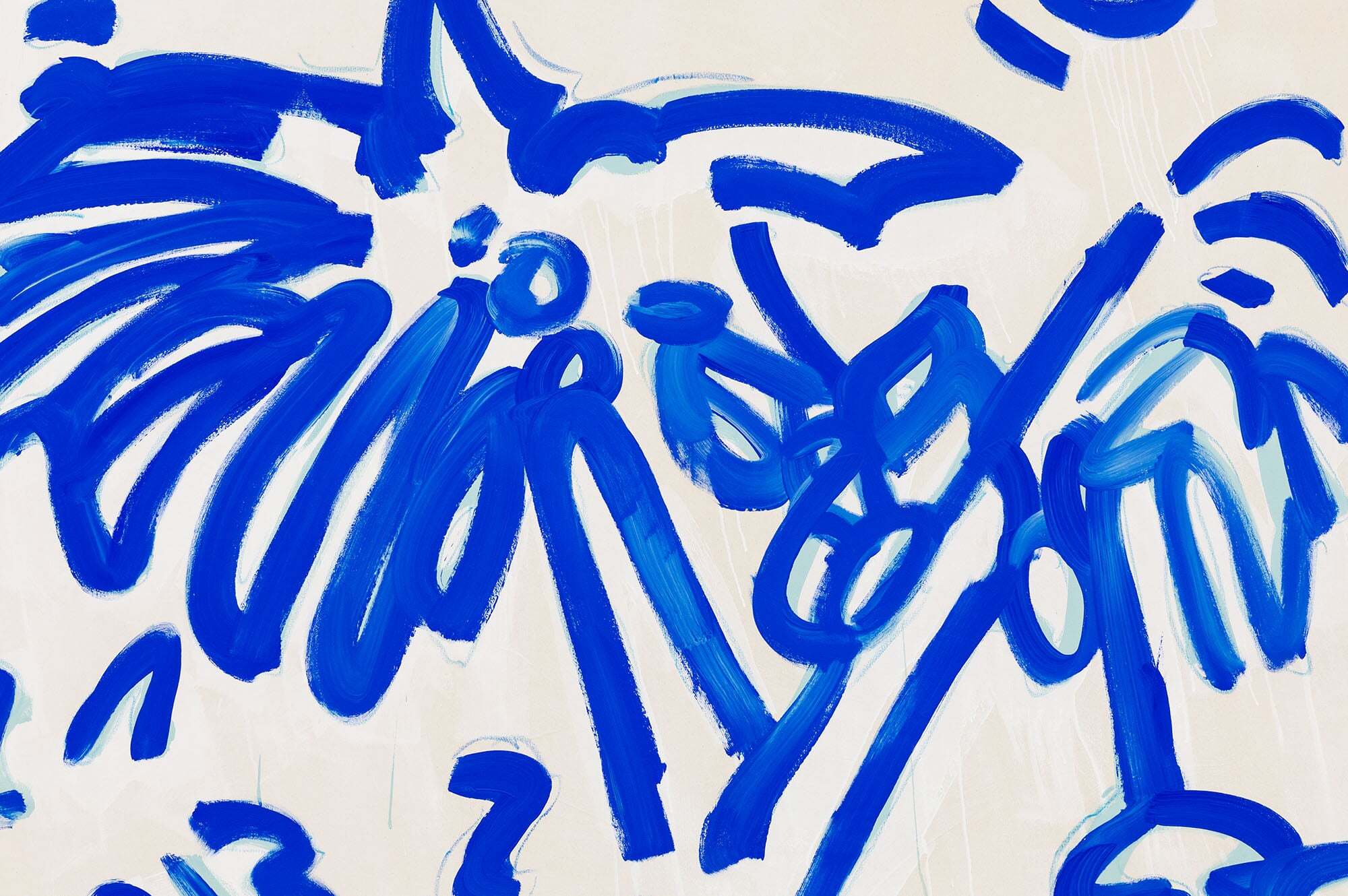
In his series Drift Diagrams (2026), Peter Jellitsch explores the relationship between structure and gestural movement. The starting point is a grid reminiscent of diagrams or coordinate systems. Gestural traces of blue color move across it, defying order and wandering across the field as visual "drifts." The works read like records of movement—between analysis and intuition.